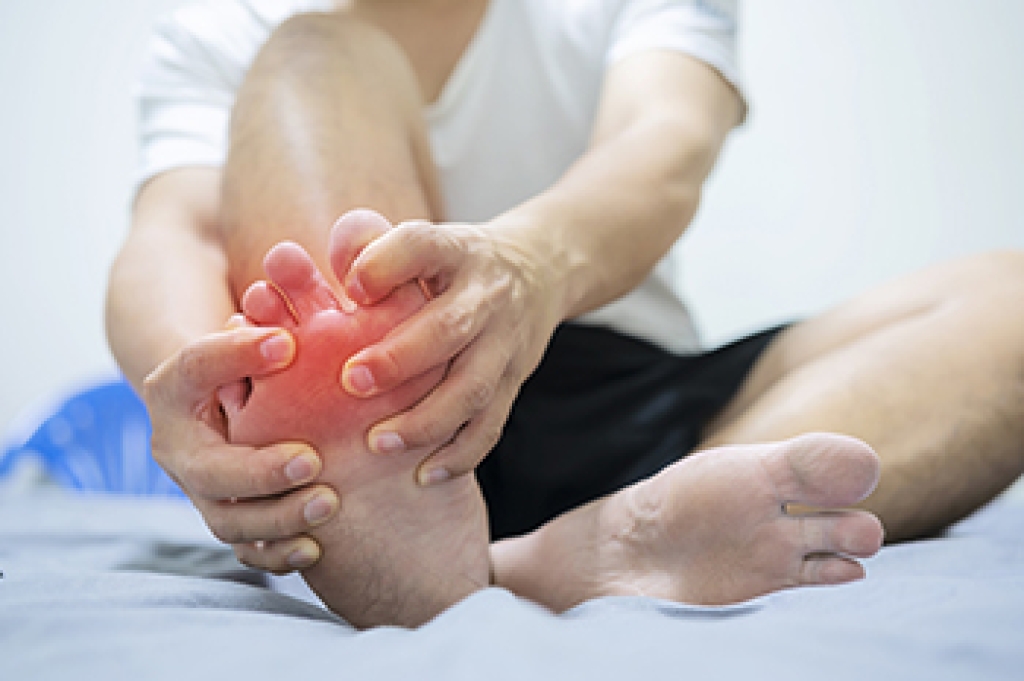
Common Facts About Gout

Gout is a type of arthritis that is characterized by redness, tenderness, swelling of the joints, limited movement, and severe pain. It is caused by the buildup of uric acid in the body. Uric acid is a product of purines, an ingredient in many rich foods, such as seafood, meat, sweet beverages, and alcohol. Crystallization of purines can cause kidney stones, painful arthritis, and the buildup of uric acid crystals in the feet. One with gout can experience intense joint pain that usually affects the large joint in the big toe of the foot as well as other joints of the foot. The pain is worse when it starts and can last from a few days to a few weeks. It can feel like a burning sensation. Other factors that increase uric acid in the body and can cause gout symptoms are obesity, genetic predisposition, gender (with men being more prone to gout than women), and other medical conditions, like diabetes and high blood pressure. If you suspect you have gout, see a podiatrist as soon as possible who can make sure the diagnosis is correct and provide treatment to restore you to pain-free functioning.

Gout is a foot condition that requires certain treatment and care. If you are seeking treatment, contact our podiatrists from Superior Foot & Ankle Center. Our doctors will treat your foot and ankle needs.

What Is Gout?

Gout is a type of arthritis caused by a buildup of uric acid in the bloodstream. It often develops in the foot, especially the big toe area, although it can manifest in other parts of the body as well. Gout can make walking and standing very painful and is especially common in diabetics and the obese.

People typically get gout because of a poor diet. Genetic predisposition is also a factor. The children of parents who have had gout frequently have a chance of developing it themselves.

Gout can easily be identified by redness and inflammation of the big toe and the surrounding areas of the foot. Other symptoms include extreme fatigue, joint pain, and running high fevers. Sometimes corticosteroid drugs can be prescribed to treat gout, but the best way to combat this disease is to get more exercise and eat a better diet.

If you have any questions please feel free to contact our office located in Long Beach, CA . We offer the newest diagnostic and treatment technologies for all your foot and ankle needs.
Read more about Everything You Need to Know About Gout

Stress Fractures During Pregnancy

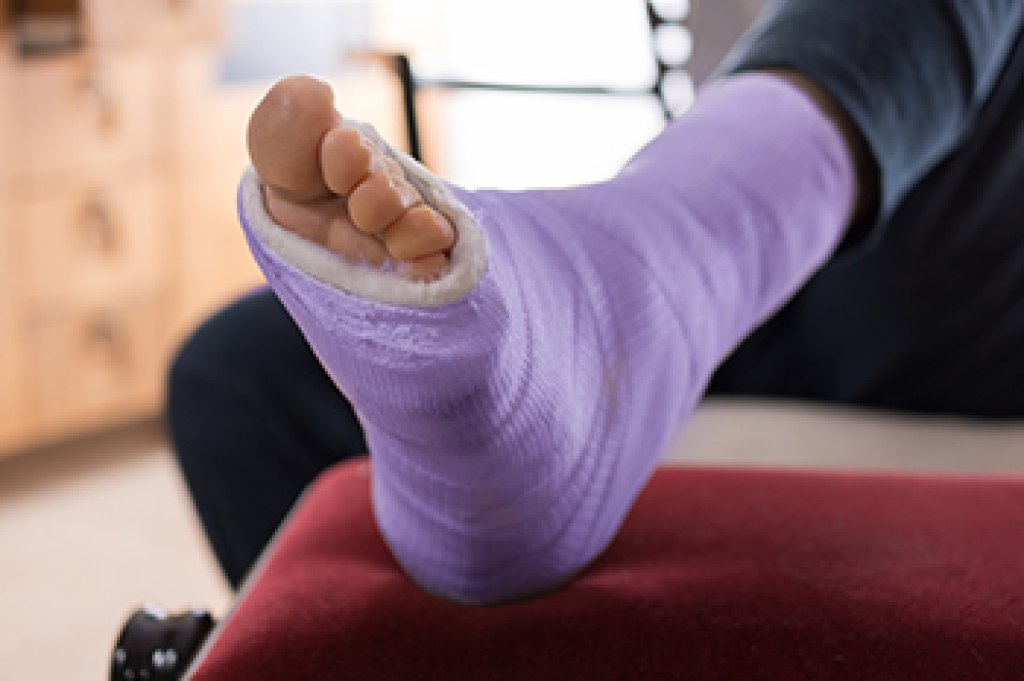
When an individual endures a foot stress fracture, they are essentially developing tiny cracks in the bones of their feet. Importantly, these stress fractures can result from overuse. Stress fractures in the feet can have several different causes. One of the possible causes is pregnancy. Although it is admittedly rare, a pregnant woman may develop osteoporosis, which is a condition that weakens the bones. It is possible that osteoporosis could then cause a stress fracture. Additionally, women can sometimes gain weight as they bring a baby to term. This weight gain can increase the likelihood of the development of stress fractures. If you are or thinking about becoming pregnant, you can talk with a podiatrist today to learn about the ways you can guard your feet against stress fractures.

Activities where too much pressure is put on the feet can cause stress fractures. To learn more, contact our podiatrists from Superior Foot & Ankle Center. Our doctors can provide the care you need to keep your pain free and on your feet.

Dealing with Stress Fractures of the Foot and Ankle

Stress fractures occur in the foot and ankle when muscles in these areas weaken from too much or too little use.  The feet and ankles then lose support when walking or running from the impact of the ground. Since there is no protection, the bones receive the full impact of each step. Stress on the feet can cause cracks to form in the bones, thus creating stress fractures.

What Are Stress Fractures?

Stress fractures occur frequently in individuals whose daily activities cause great impact on the feet and ankles. Stress factors are most common among:

  • Runners                                  
  • People affected with Osteoporosis
  • Tennis or basketball players
  • Gymnasts
  • High impact workouts

Symptoms

Pain from the fractures occur in the area of the fractures and can be constant or intermittent. It will often cause sharp or dull pain with swelling and tenderness. Engaging in any kind of activity which involves high impact will aggravate pain.

If you have any questions please feel free to contact our office located in Long Beach, CA . We offer the newest diagnostic and treatment technologies for all your foot and ankle needs.
Read more about Dealing with Stress Fractures of the Foot and Ankle

Two Types of Flat Feet

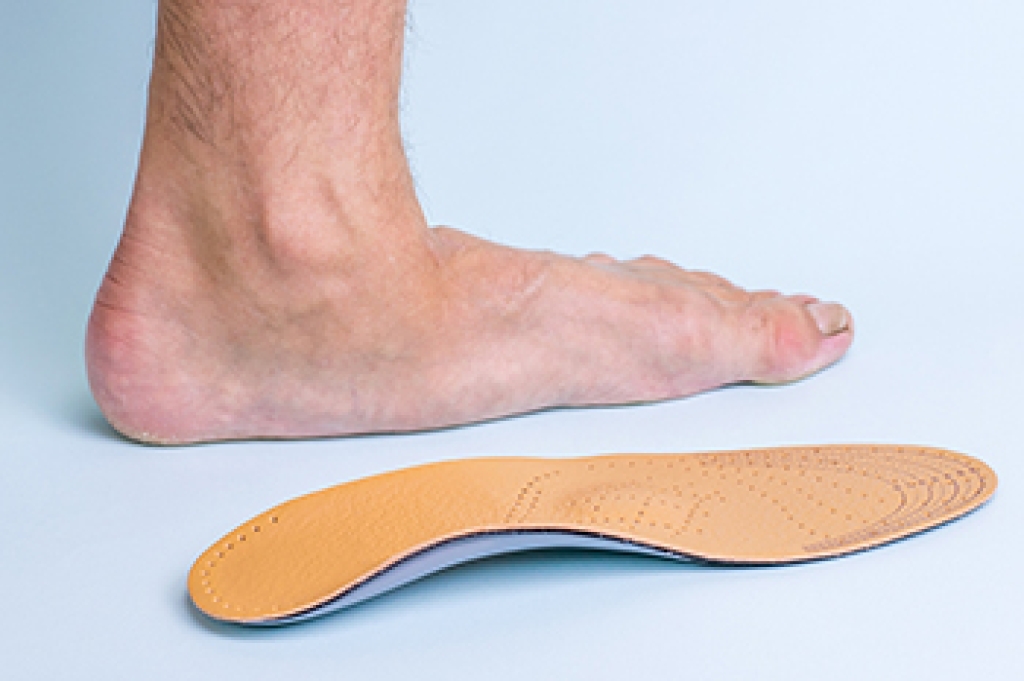
Many people who have flat feet avoid walking and exercising, which can make the  body uncomfortable as a result of a flattened or little arch. The arch acts as a shock absorber, and with flat feet, the gait is different from people with normal arches. The majority of children are born with flat feet, but the arch generally develops in the teenage years. Wearing shoes that do not fit correctly may increase discomfort felt from flat feet, and custom-made orthotics are often prescribed to help the feet to absorb shock. There are various types of flat feet. Flexible flat feet are noticeable as the foot lies flat on the floor while standing, but the arch appears when sitting down. This foot condition may cause the feet to ache, and mild relief may be felt when specific stretches are frequently performed. In rigid flat feet, the arch is permanently flattened and cannot be seen while standing or sitting down. If you have flat feet of either type, please schedule a consultation with a podiatrist who can guide you toward relief treatments. 

Flatfoot is a condition many people suffer from. If you have flat feet, contact our podiatrists from Superior Foot & Ankle Center. Our doctors will treat your foot and ankle needs.

What Are Flat Feet?

Flatfoot is a condition in which the arch of the foot is depressed and the sole of the foot is almost completely in contact with the ground. About 20-30% of the population generally has flat feet because their arches never formed during growth.

Conditions & Problems:

Having flat feet makes it difficult to run or walk because of the stress placed on the ankles.

Alignment – The general alignment of your legs can be disrupted, because the ankles move inward which can cause major discomfort.

Knees – If you have complications with your knees, flat feet can be a contributor to arthritis in that area.  

Symptoms

  • Pain around the heel or arch area
  • Trouble standing on the tip toe
  • Swelling around the inside of the ankle
  • Flat look to one or both feet
  • Having your shoes feel uneven when worn

Treatment

If you are experiencing pain and stress on the foot you may weaken the posterior tibial tendon, which runs around the inside of the ankle. 

If you have any questions please feel free to contact our office located in Long Beach, CA . We offer the newest diagnostic and treatment technologies for all your foot and ankle needs.

Read more about Flat Feet

Puncture Wounds

When an individual steps on a small, pointy object, they may endure what is known as a puncture wound of the foot. Puncture wounds create small holes in the skin, and can be caused from stepping on nails, seashells, or pieces of glass, among other things. Injuring the foot in this way is more common during the warmer months because individuals are more likely to walk around barefoot. Puncture wounds can be problematic because the foreign object may become embedded in the skin if not properly treated. Additionally, the wound may facilitate an infection because dirt and debris can become stuck in the entry hole from the wound. In treating a puncture wound, a medical professional will ensure that the foreign body has been removed from the affected area and that the wound is properly cleaned. It is also important to remember that the depth of the puncture can indicate the likelihood of developing an infection, as deeper punctures can be more problematic. Contact a podiatrist today if you believe you have a puncture wound. 

Wound care is an important part in dealing with diabetes. If you have diabetes and a foot wound or would like more information about wound care for diabetics, consult with our podiatrists from Superior Foot & Ankle Center. Our doctors will assess your condition and provide you with quality foot and ankle treatment.

What Is Wound Care?

Wound care is the practice of taking proper care of a wound. This can range from the smallest to the largest of wounds. While everyone can benefit from proper wound care, it is much more important for diabetics. Diabetics often suffer from poor blood circulation which causes wounds to heal much slower than they would in a non-diabetic. 

What Is the Importance of Wound Care?

While it may not seem apparent with small ulcers on the foot, for diabetics, any size ulcer can become infected. Diabetics often also suffer from neuropathy, or nerve loss. This means they might not even feel when they have an ulcer on their foot. If the wound becomes severely infected, amputation may be necessary. Therefore, it is of the upmost importance to properly care for any and all foot wounds.

How to Care for Wounds

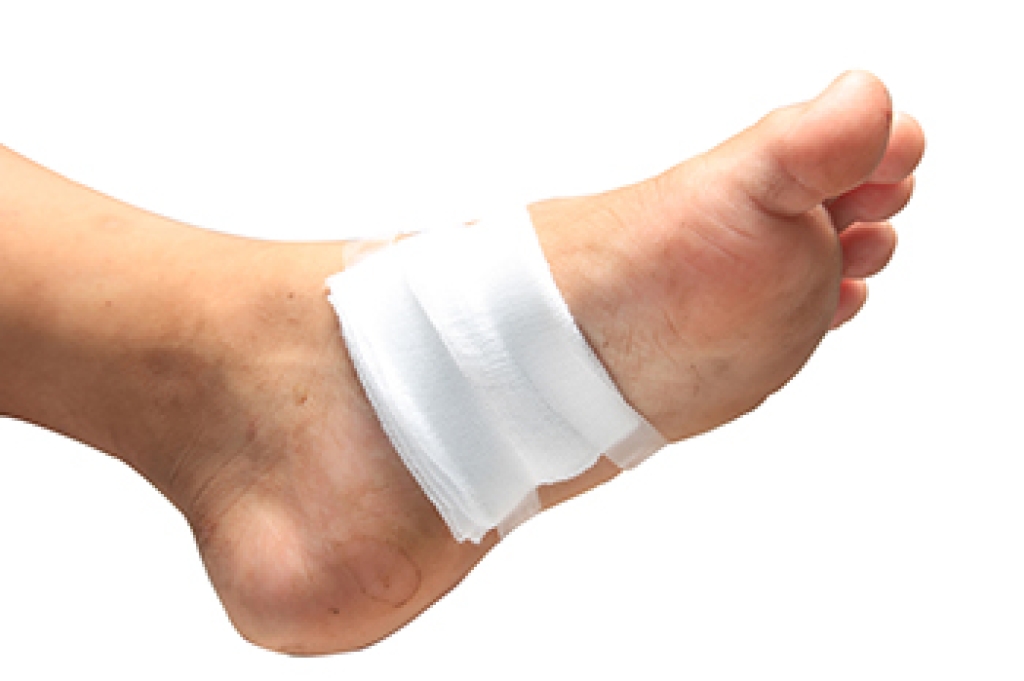
The best way to care for foot wounds is to prevent them. For diabetics, this means daily inspections of the feet for any signs of abnormalities or ulcers. It is also recommended to see a podiatrist several times a year for a foot inspection. If you do have an ulcer, run the wound under water to clear dirt from the wound; then apply antibiotic ointment to the wound and cover with a bandage. Bandages should be changed daily and keeping pressure off the wound is smart. It is advised to see a podiatrist, who can keep an eye on it.

If you have any questions, please feel free to contact our office located in Long Beach, CA . We offer the newest diagnostic and treatment technologies for all your foot care needs.

Read more about Wound Care

Connect With Us