Foot or ankle pain can negatively affect your day-to-day life and can occur due to several different conditions. Pain can also be an indicator of a more serious underlying condition, which is why you should seek professional help as soon as you notice any abnormalities in your feet.
Athlete’s foot is a fungal infection that affects the skin of the feet, especially between the toes. It often causes flaking skin, itching, cracking, and redness that can become uncomfortable, if left untreated. The condition develops in warm and moist environments, making shared areas around pools and locker rooms a common source of exposure. Prevention includes keeping feet clean and dry, and wearing appropriate shoes in pool areas to reduce contact with fungi. Prescribed medication can effectively clear the infection and prevent it from spreading or returning. A podiatrist can diagnose athlete’s foot, recommend the right treatment, and provide guidance on proper foot hygiene. If you have symptoms of athlete’s foot, it is suggested that you consult a podiatrist who can effectively treat this condition, which may include prescribed medication.
Athlete’s foot is an inconvenient condition that can be easily reduced with the proper treatment. If you have any concerns about your feet and ankles, contact our podiatrists from Superior Foot & Ankle Center. Our doctors will treat your foot and ankle needs.
Athlete’s Foot: The Sole Story
Athlete's foot, also known as tinea pedis, can be an extremely contagious foot infection. It is commonly contracted in public changing areas and bathrooms, dormitory style living quarters, around locker rooms and public swimming pools, or anywhere your feet often come into contact with other people.
Solutions to Combat Athlete’s Foot
Hydrate your feet by using lotion
Exfoliate
Buff off nails
Use of anti-fungal products
Examine your feet and visit your doctor if any suspicious blisters or cuts develop
Athlete’s foot can cause many irritating symptoms such as dry and flaking skin, itching, and redness. Some more severe symptoms can include bleeding and cracked skin, intense itching and burning, and even pain when walking. In the worst cases, Athlete’s foot can cause blistering as well. Speak to your podiatrist for a better understanding of the different causes of Athlete’s foot, as well as help in determining which treatment options are best for you.
If you have any questions please feel free to contact our office located in Long Beach, CA. We offer the newest diagnostic and treatment technologies for all your foot and ankle needs.
Falls prevention is essential for seniors to maintain safety, independence, and quality of life at home. Falls can lead to serious conditions, such as fractures, head injuries, and foot and ankle harm, that often require long recovery periods. These incidents may also result in loss of independence and the development of a fear of falling, which can limit daily activity. Risk factors include poor balance, weakened muscles, and unsafe home environments. Simple changes like improved lighting can reduce hazards, while falls detection wearables provide immediate alerts for faster assistance. Video monitoring systems can also help address nighttime wandering and improve safety. A podiatrist can help by evaluating foot health, improving stability, and recommending proper footwear. If you or a loved one have injured their foot or ankle from falling, it is suggested that you consult a podiatrist who can provide a diagnosis and guide you on additional falls prevention tips.
Preventing falls among the elderly is very important. If you are older and have fallen or fear that you are prone to falling, consult with our podiatrists from Superior Foot & Ankle Center. Our doctors will assess your condition and provide you with quality advice and care.
Every 11 seconds, an elderly American is being treated in an emergency room for a fall related injury. Falls are the leading cause of head and hip injuries for those 65 and older. Due to decreases in strength, balance, senses, and lack of awareness, elderly persons are very susceptible to falling. Thankfully, there are a number of things older persons can do to prevent falls.
How to Prevent Falls
Some effective methods that older persons can do to prevent falls include:
Enrolling in strength and balance exercise program to increase balance and strength
Periodically having your sight and hearing checked
Discuss any medications you have with a doctor to see if it increases the risk of falling
Clearing the house of falling hazards and installing devices like grab bars and railings
Utilizing a walker or cane
Wearing shoes that provide good support and cushioning
Talking to family members about falling and increasing awareness
Falling can be a traumatic and embarrassing experience for elderly persons; this can make them less willing to leave the house, and less willing to talk to someone about their fears of falling. Doing such things, however, will increase the likelihood of tripping or losing one’s balance. Knowing the causes of falling and how to prevent them is the best way to mitigate the risk of serious injury.
If you have any questions, please feel free to contact our office located in Long Beach, CA. We offer the newest diagnostic and treatment technologies for all your foot care needs.
Chronic tophaceous gout is an advanced form of gout that develops when uric acid builds up in the body. The result is hard deposits, called tophi, that form around joints and soft tissues. Uric acid is a natural waste product, but high levels can lead to crystal formation that triggers inflammation, causing swelling, warmth, and severe pain. Over time, these deposits may grow and cause joint damage, stiffness, and reduced movement. They can also press on nearby nerves and affect walking. A podiatrist can diagnose chronic tophaceous gout through imaging or fluid testing, which identifies uric acid crystals. Treatment options include medication to lower uric acid levels and reduce inflammation, as well as care to protect the joints and prevent further damage. In severe cases, surgery may be needed to remove large tophi. If you are experiencing severe pain from gout, it is suggested that you make an appointment with a podiatrist for treatment.
Gout is a foot condition that requires certain treatment and care. If you are seeking treatment, contact our podiatrists from Superior Foot & Ankle Center. Our doctors will treat your foot and ankle needs.
What Is Gout?
Gout is a type of arthritis caused by a buildup of uric acid in the bloodstream. It often develops in the foot, especially the big toe area, although it can manifest in other parts of the body as well. Gout can make walking and standing very painful and is especially common in diabetics and the obese.
People typically get gout because of a poor diet. Genetic predisposition is also a factor. The children of parents who have had gout frequently have a chance of developing it themselves.
Gout can easily be identified by redness and inflammation of the big toe and the surrounding areas of the foot. Other symptoms include extreme fatigue, joint pain, and running high fevers. Sometimes corticosteroid drugs can be prescribed to treat gout, but the best way to combat this disease is to get more exercise and eat a better diet.
If you have any questions, please feel free to contact our office located in Long Beach, CA. We offer the newest diagnostic and treatment technologies for all your foot care needs.
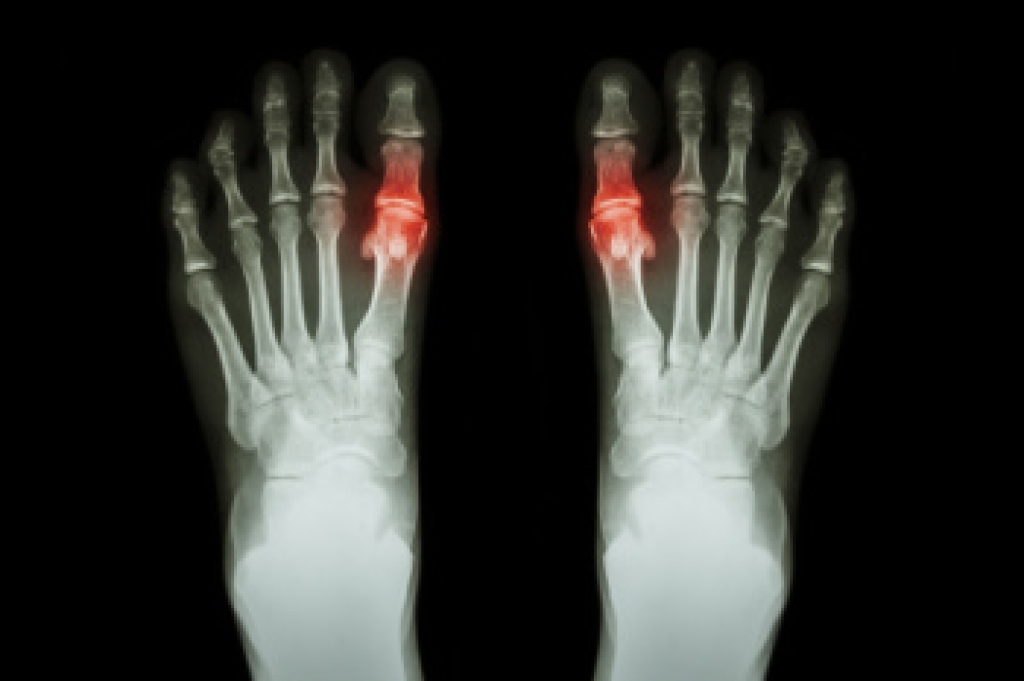
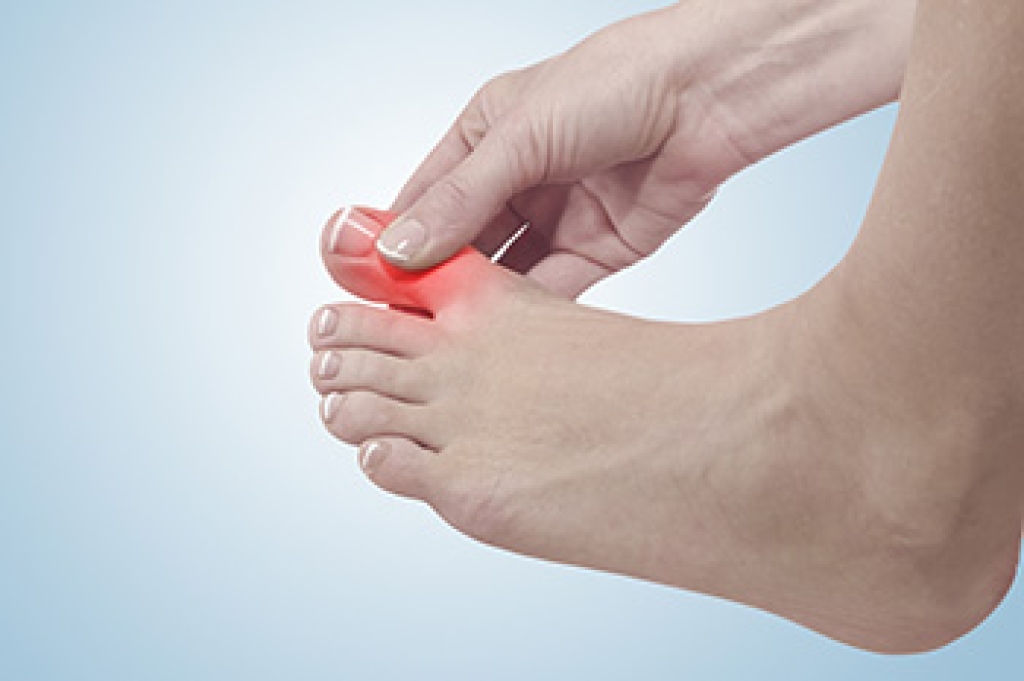
A stiff big toe is often caused by a condition called hallux limitus or hallux rigidus, which means the joint at the base of the big toe has limited or very little movement. This problem usually develops over time, beginning with discomfort when walking or bending the toe and gradually progressing to more constant pain and stiffness. The joint may look swollen or enlarged, and some patients notice a firm bump on the top of the toe. Activities that require push off, such as walking uphill or running, can become difficult and uncomfortable. Common causes include arthritis, repetitive stress, prior injury, or foot structure that places extra pressure on the joint. A podiatrist can evaluate movement and may use imaging to understand the severity. Treatment options include supportive footwear, custom orthotics, and targeted exercises to help maintain motion. In more advanced cases, surgery may be considered. If you have a stiff big toe, it is suggested that you make an appointment with a podiatrist.
Toe pain can disrupt your daily activities. If you have any concerns, contact our podiatrists of Superior Foot & Ankle Center. Our doctors can provide the care you need to keep you pain-free and on your feet.
What Causes Toe Pain?
Most severe toe pain is caused due to a sports injury, trauma from dropping something heavy on the toe, or bumping into something rigid. Other problems can develop over time for various reasons.
Toe pain can be caused by one or more ailments. The most common include:
Trauma
Sports injury
Wearing shoes that are too tight
Arthritis
Gout
Corns and calluses
Hammertoe
Bunions
Blisters
Ingrown toenails
Sprains
Fractures (broken bones)
Dislocations
When to See a Podiatrist
Severe pain
Persistent pain that lasts more than a week
Signs of infection
Continued swelling
Pain that prevents walking
Diagnosis
In many cases the cause of toe pain is obvious, but in others, a podiatrist may want to use more advanced methods to determine the problem. These can range from simple visual inspections and sensation tests to X-rays and MRI scans. Prior medical history, family medical history, and any recent physical traumatic events will all be taken into consideration for a proper diagnosis.
Treatment
Treatments for toe pain and injuries vary and may include shoe inserts, padding, taping, medicines, injections, and in some cases, surgery. If you believe that you have broken a toe, please see a podiatrist as soon as possible.
If you have any questions please contact our office located in Long Beach, CA. We offer the newest diagnostic and treatment technologies for all your foot and ankle needs.