Constant care and regular evaluation are important for a foot or ankle fracture. If left untreated, foot or ankle fractures can worsen over time and create more serious problems.
Don't wait to be examined if you believe you've experienced a foot or ankle fracture.
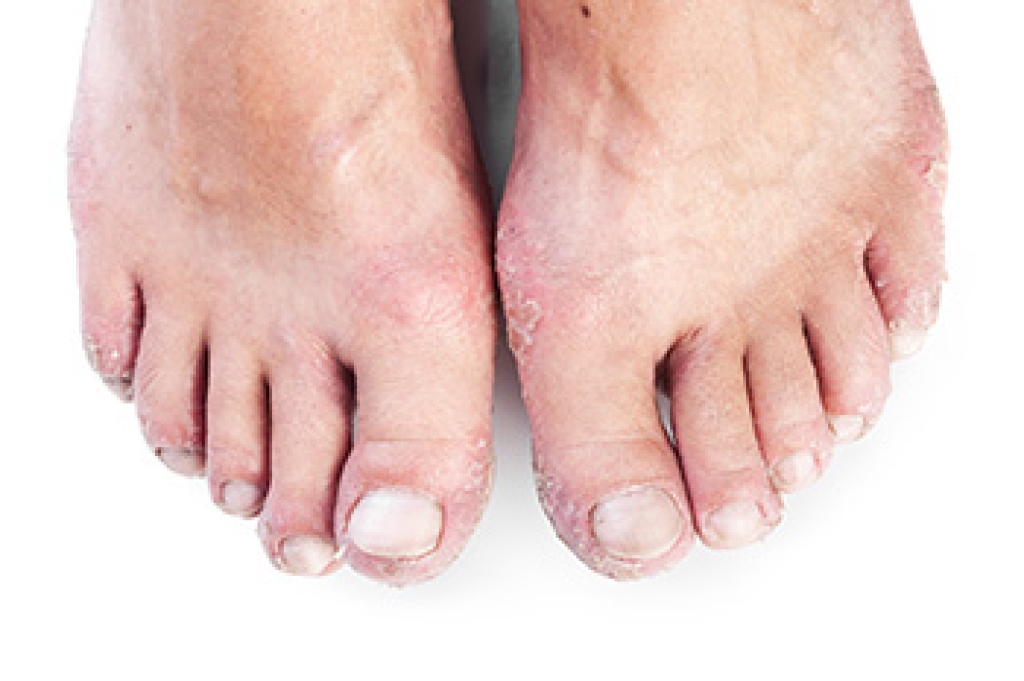
Athlete’s foot is a fungal infection that commonly affects the skin between the toes and the soles of the feet. Unlike ordinary dry skin, athlete’s foot is contagious and can cause itching, burning, redness, cracking, peeling, and blisters. The infection often develops in warm, moist environments such as shoes, locker rooms, or near swimming pools. Causes include exposure to the fungus, poor foot hygiene, sweaty feet, and wearing tight or non-breathable footwear. A podiatrist can accurately diagnose athlete’s foot, differentiate it from dry skin or other skin conditions, and recommend antifungal treatments, proper foot care, and preventive measures. If you notice persistent itching, redness, or peeling between your toes, it is suggested that you schedule an appointment with a podiatrist for effective relief and treatment solutions.
Athlete’s Foot
Athlete’s foot is often an uncomfortable condition to experience. Thankfully, podiatrists specialize in treating athlete’s foot and offer the best treatment options. If you have any questions about athlete’s foot, consult with our podiatrists from Superior Foot & Ankle Center. Our doctors will assess your condition and provide you with quality treatment.
What Is Athlete’s Foot?
Tinea pedis, more commonly known as athlete’s foot, is a non-serious and common fungal infection of the foot. Athlete’s foot is contagious and can be contracted by touching someone who has it or infected surfaces. The most common places contaminated by it are public showers, locker rooms, and swimming pools. Once contracted, it grows on feet that are left inside moist, dark, and warm shoes and socks.
Prevention
The most effective ways to prevent athlete’s foot include:
Thoroughly washing and drying feet
Avoid going barefoot in locker rooms and public showers
Using shower shoes in public showers
Wearing socks that allow the feet to breathe
Changing socks and shoes frequently if you sweat a lot
Symptoms
Athlete’s foot initially occurs as a rash between the toes. However, if left undiagnosed, it can spread to the sides and bottom of the feet, toenails, and if touched by hand, the hands themselves. Symptoms include:
Redness
Burning
Itching
Scaly and peeling skin
Diagnosis and Treatment
Diagnosis is quick and easy. Skin samples will be taken and either viewed under a microscope or sent to a lab for testing. Sometimes, a podiatrist can diagnose it based on simply looking at it. Once confirmed, treatment options include oral and topical antifungal medications.
If you have any questions, please feel free to contact our office located in Long Beach, CA. We offer the newest diagnostic and treatment technologies for all your foot care needs.
Psoriatic arthritis is an inflammatory condition linked to psoriasis, which can affect the feet in multiple ways because both joints and soft tissues become involved. Many people notice stiffness in the toes or mid-foot, along with swelling that makes shoes feel tighter than usual. The condition can also inflame the tendons, especially around the heel or along the top of the foot, creating soreness during walking or climbing stairs. Some individuals develop dactylitis, where an entire toe becomes swollen and tender, giving it a sausage-like appearance. Skin plaques related to psoriasis may also appear on the feet and add to irritation. Because symptoms can fluctuate and progress over time, early evaluation helps determine which areas need the most support. A podiatrist can assess joint alignment, recommend footwear, provide inserts, and offer treatments that reduce inflammation. If foot symptoms from psoriatic arthritis are affecting daily activities, it is suggested that you see a podiatrist for effective relief tips.
When dealing with systemic disease of the feet, it is extremely important to check the affected areas routinely so that any additional problems are caught quickly. If you have any concerns about your feet and ankles contact our podiatrists from Superior Foot & Ankle Center. Our doctors will assist you with all of your podiatric needs.
Systemic Diseases of the Feet
Systemic diseases affect the whole body, and symptoms usually are displayed in the feet. This condition can make a patient’s ability to walk unbearable. Systemic diseases include gout, diabetes mellitus, neurological disorders, and arthritis.
Gout – is caused by an excess of uric acid in the body. Common symptoms include pain, inflammation, and redness at the metatarsal/phalangeal joint of the base big toe. Gout can be treated by NSAIDs to relieve pain and inflammation, and other drugs that lower the acid levels in the body.
Diabetes mellitus – is an increase in the level of blood sugar that the body cannot counteract with its own insulin. Failure to produce enough insulin is a factor in Diabetes.
Diabetes of the Feet
Diabetic Neuropathy – may lead to damaged nerves and affect the feet through numbness and loss of sensation.
Peripheral Vascular Disease – can restrict the blood flow to the feet, and often times lead to amputation of the feet.
If you have any questions please contact our office located in Long Beach, CA. We offer the newest diagnostic and treatment technologies for all your foot and ankle needs.
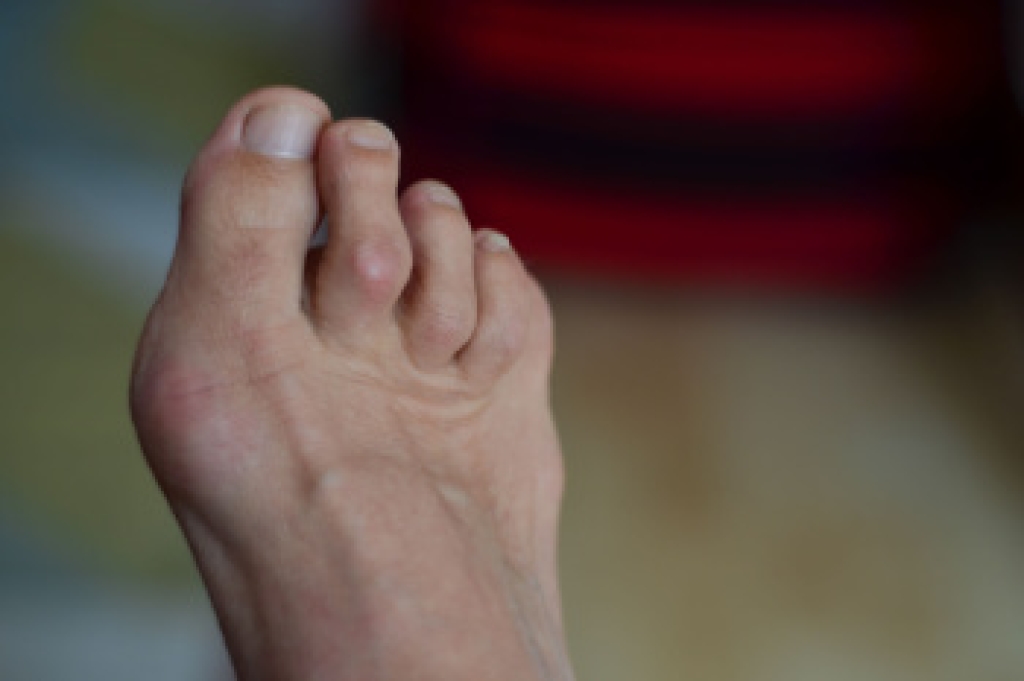
Hammertoe is a common toe deformity in which a toe curls down instead of pointing forward, often affecting the middle joint. This abnormal position can lead to discomfort, irritation, and difficulty wearing shoes. Hammertoe may develop due to a prior toe injury, arthritis that alters joint structure, or a high foot arch that creates muscle imbalance. Wearing shoes that do not fit right, especially those that are tight or narrow in the toe box, can worsen the condition over time. As the toe remains bent, pressure and friction may cause pain, corns, or calluses. A podiatrist can diagnose hammertoe and create a personalized treatment plan that may include footwear guidance, custom orthotics, exercises, or advanced care, if needed. If you have toe pain from hammertoe, it is suggested that you consult a podiatrist who can offer effective relief and treatment solutions.
Hammertoes can be a painful condition to live with. For more information, contact our podiatrists of Superior Foot & Ankle Center. Our doctors will answer any of your foot- and ankle-related questions.
Hammertoe
Hammertoe is a foot deformity that occurs due to an imbalance in the muscles, tendons, or ligaments that normally hold the toe straight. It can be caused by the type of shoes you wear, your foot structure, trauma, and certain disease processes.
Symptoms
Painful and/or difficult toe movement
Swelling
Joint stiffness
Calluses/Corns
Physical deformity
Risk Factors
Age – The risk of hammertoe increases with age
Sex – Women are more likely to have hammertoe compared to men
Toe Length – You are more likely to develop hammertoe if your second toe is longer than your big toe
Certain Diseases – Arthritis and diabetes may make you more likely to develop hammertoe
Treatment
If you have hammertoe, you should change into a more comfortable shoe that provides enough room for your toes. Exercises such as picking up marbles may strengthen and stretch your toe muscles. Nevertheless, it is important to seek assistance from a podiatrist in order to determine the severity of your hammertoe and see which treatment option will work best for you.
If you have any questions, please feel free to contact our office located in Long Beach, CA. We offer the newest diagnostic and treatment technologies for all your foot care needs.
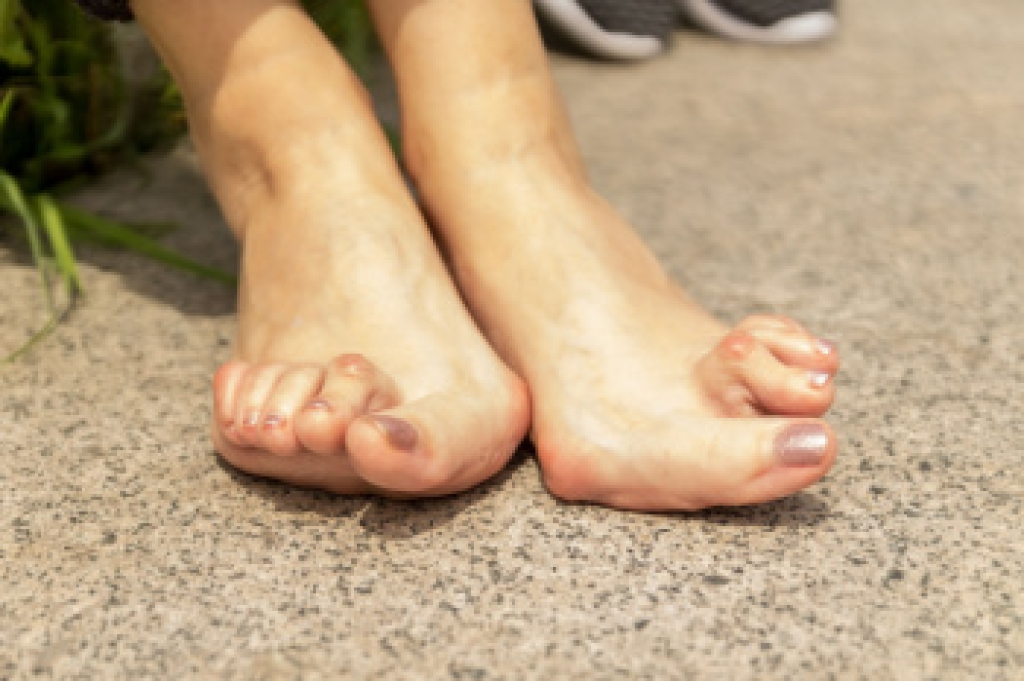
Rheumatoid arthritis is an autoimmune condition in which the body mistakenly attacks its own joints, and the small joints of the toes are often among the first to show signs of trouble. Early signs may include stiffness in the morning, swelling that makes shoes feel tight, or tenderness when pushing off during walking. As the condition progresses, the joints can lose stability, causing the toes to drift, curl, or feel less flexible than before. Some people develop pressure beneath the ball of the foot as alignment shifts, which can lead to discomfort with even short periods of standing. These changes can make movement more tiring and limit comfortable footwear choices. A podiatrist can assess the joints, recommend supportive shoes, provide inserts that improve alignment, and offer targeted treatments that ease irritation. If your toes are changing or becoming painful due to rheumatoid arthritis, it is suggested that you see a podiatrist for effective relief and management tips.
Because RA affects more than just your joints, including the joints in your feet and ankles, it is important to seek early diagnosis from your podiatrist if you feel like the pain in your feet might be caused by RA. For more information, contact our podiatrists of Superior Foot & Ankle Center. Our doctors will assist you with all of your podiatric concerns.
What Is Rheumatoid Arthritis?
Rheumatoid Arthritis (RA) is an autoimmune disorder in which the body’s own immune system attacks the membranes surrounding the joints. Inflammation of the lining and eventually the destruction of the joint’s cartilage and bone occur, causing severe pain and immobility.
Rheumatoid Arthritis of the Feet
Although RA usually attacks multiple bones and joints throughout the entire body, almost 90 percent of cases result in pain in the foot or ankle area.
Symptoms
Swelling and pain in the feet
Stiffness in the feet
Pain on the ball or sole of feet
Joint shift and deformation
Diagnosis
Quick diagnosis of RA in the feet is important so that the podiatrist can treat the area effectively. Your doctor will ask you about your medical history, occupation, and lifestyle to determine the origin of the condition. Rheumatoid Factor tests help to determine if someone is affected by the disease.
If you have any questions, please feel free to contact our office located in Long Beach, CA. We offer the newest diagnostic and treatment technologies for all your foot care needs.