Foot Stress Fractures and Podiatric Care

Foot stress fractures are small cracks in the bones of the foot caused by repetitive stress, often from activities such as running, jumping, or intense physical training. Symptoms may include localized pain, swelling, tenderness, and difficulty bearing weight. Risk factors include sudden increases in activity, wearing improper footwear, osteoporosis, and biomechanical imbalances. Without proper care, these fractures can worsen, leading to prolonged pain and mobility issues. A podiatrist can accurately diagnose stress fractures, provide treatment plans including rest, immobilization, and targeted exercises, and recommend preventive measures. If you have the symptoms of a foot stress fracture, it is suggested that you promptly consult a podiatrist who can offer effective treatment solutions.

Activities where too much pressure is put on the feet can cause stress fractures. To learn more, contact our podiatrists from Superior Foot & Ankle Center. Our doctors can provide the care you need to keep your pain free and on your feet.

Dealing with Stress Fractures of the Foot and Ankle

Stress fractures occur in the foot and ankle when muscles in these areas weaken from too much or too little use.  The feet and ankles then lose support when walking or running from the impact of the ground. Since there is no protection, the bones receive the full impact of each step. Stress on the feet can cause cracks to form in the bones, thus creating stress fractures.

What Are Stress Fractures?

Stress fractures occur frequently in individuals whose daily activities cause great impact on the feet and ankles. Stress factors are most common among:

  • Runners                                
  • People affected with Osteoporosis
  • Tennis or basketball players
  • Gymnasts
  • High impact workouts

Symptoms

Pain from the fractures occur in the area of the fractures and can be constant or intermittent. It will often cause sharp or dull pain with swelling and tenderness. Engaging in any kind of activity which involves high impact will aggravate pain.

If you have any questions please contact our office located in Long Beach, CA . We offer the newest diagnostic and treatment technologies for all your foot and ankle needs.

Read more about Dealing with Stress Fractures of the Foot and Ankle

Stop Stubborn Plantar Warts with Swift

Are you frustrated by plantar warts? Plantar warts are commonly found on the soles of the feet or other areas that bear weight. They form due to exposure to the human papillomavirus (HPV). Effectively treat plantar warts with Swift, an FDA-cleared technology that has proven to be highly effective in the removal of plantar warts.

Looking Deeper Into Plantar Fasciitis

Plantar fasciitis is often explained simply as heel pain caused by irritation of the thick band of tissue along the bottom of the foot. While this is true, there is more to understand. The condition develops when repetitive stress causes small tears in the fascia, leading to inflammation. But not everyone with heel pain has plantar fasciitis, and not every case responds the same way. Factors like foot structure, tight calf muscles, and wearing poor footwear can worsen the strain. Long hours of standing or sudden increases in activity also play a role. Beyond basic stretching and rest, treatment may include custom orthotics, night splints, or other advanced podiatric options. Addressing plantar fasciitis early can shorten recovery time and prevent chronic heel pain. If discomfort in your heel is interfering with your routine, it is suggested that you see a podiatrist for a diagnosis and appropriate treatment.

Plantar fasciitis is a common foot condition that is often caused by a strain injury. If you are experiencing heel pain or symptoms of plantar fasciitis, contact our podiatrists from Superior Foot & Ankle Center. Our doctors can provide the care you need to keep you pain-free and on your feet.

What Is Plantar Fasciitis?

Plantar fasciitis is one of the most common causes of heel pain. The plantar fascia is a ligament that connects your heel to the front of your foot. When this ligament becomes inflamed, plantar fasciitis is the result. If you have plantar fasciitis you will have a stabbing pain that usually occurs with your first steps in the morning. As the day progresses and you walk around more, this pain will start to disappear, but it will return after long periods of standing or sitting.

What Causes Plantar Fasciitis?

  • Excessive running
  • Having high arches in your feet
  • Other foot issues such as flat feet
  • Pregnancy (due to the sudden weight gain)
  • Being on your feet very often

There are some risk factors that may make you more likely to develop plantar fasciitis compared to others. The condition most commonly affects adults between the ages of 40 and 60. It also tends to affect people who are obese because the extra pounds result in extra stress being placed on the plantar fascia.

Prevention

  • Take good care of your feet – Wear shoes that have good arch support and heel cushioning.
  • Maintain a healthy weight
  • If you are a runner, alternate running with other sports that won’t cause heel pain

There are a variety of treatment options available for plantar fasciitis along with the pain that accompanies it. Additionally, physical therapy is a very important component in the treatment process. It is important that you meet with your podiatrist to determine which treatment option is best for you.

If you have any questions, please feel free to contact our office located in Long Beach, CA . We offer the newest diagnostic and treatment technologies for all your foot care needs.


Read more about Plantar Fasciitis

Morton's Neuroma and a Podiatrist's Help

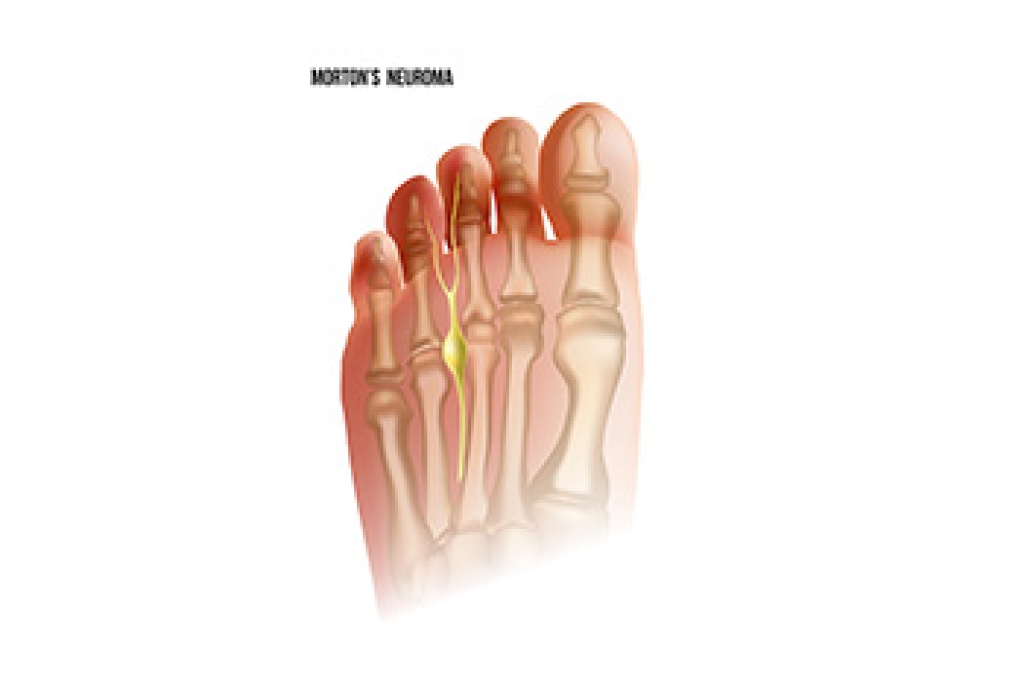
Morton’s neuroma is a painful condition that affects the nerves between the toes, most commonly between the third and fourth toes. It occurs when the tissue surrounding the nerve thickens, leading to irritation and discomfort. Causes include wearing tight or high heeled shoes, repetitive stress from activities like running, and structural foot abnormalities such as bunions or hammertoes. Risk factors include high arches, flat feet, and participating in high impact sports. Additionally, symptoms often involve burning pain, tingling, or numbness in the ball of the foot that may worsen with walking or standing. A podiatrist can provide a diagnosis, recommend proper footwear, prescribe orthotics, and offer treatments to reduce pain and restore mobility. If you have pain in this part of your foot, it is suggested that you consult a podiatrist who can accurately diagnose and treat what may be going on.

Morton’s neuroma is a very uncomfortable condition to live with. If you think you have Morton’s neuroma, contact our podiatrists of Superior Foot & Ankle Center. Our doctors will attend to all of your foot care needs and answer any of your related questions.  

Morton’s Neuroma

Morton's neuroma is a painful foot condition that commonly affects the areas between the second and third or third and fourth toe, although other areas of the foot are also susceptible. Morton’s neuroma is caused by an inflamed nerve in the foot that is being squeezed and aggravated by surrounding bones.

What Increases the Chances of Having Morton’s Neuroma?

  • Ill-fitting high heels or shoes that add pressure to the toe or foot
  • Jogging, running or any sport that involves constant impact to the foot
  • Flat feet, bunions, and any other foot deformities

Morton’s neuroma is a very treatable condition. Orthotics and shoe inserts can often be used to alleviate the pain on the forefront of the feet. In more severe cases, corticosteroids can also be prescribed. In order to figure out the best treatment for your neuroma, it’s recommended to seek the care of a podiatrist who can diagnose your condition and provide different treatment options.

If you have any questions, please feel free to contact our office located in Long Beach, CA . We offer the newest diagnostic and treatment technologies for all your foot care needs.

Read more about Morton's Neuroma

Understanding Kohler Disease in Children

Kohler disease is a rare foot condition that affects the tarsal navicular bone. This small midfoot bone helps connect the ankle to the toes and supports the arch, which becomes compressed and weakened. Kohler disease typically occurs in children between the ages of five and 10. The exact cause is unknown, but possible genetic links and disruptions in blood supply may contribute. Symptoms often include redness of the foot, tenderness along the length of the arch, swelling, and limping due to pain. Although the condition usually resolves with time, early diagnosis is important to relieve discomfort and prevent long-term issues. A podiatrist can provide supportive treatments, recommend protective footwear, and monitor healing. If your child shows signs of Kohler disease or has foot pain of any kind, it is suggested that you promptly consult a podiatrist to schedule an appointment for expert care.

Some foot conditions may require additional professional care. If you have any concerns, contact our podiatrists of Superior Foot & Ankle Center. Our doctors can provide the care you need to keep you pain-free and on your feet.

Rare Foot Conditions

The majority of foot conditions are common and can be treated by a podiatrist.  Standard diagnostic procedures are generally used to identify specific conditions and treatment can be rendered. A podiatrist also treats rare foot conditions which can be difficult to diagnose and may need extra attention and care. 

There are many rare foot conditions that can affect children. Some of these can include:

  • Freiberg’s disease
  • Kohler’s disease
  • Maffucci syndrome

Freiberg’s disease - This can be seen as a deterioration and flattening of a metatarsal bone that exists in the ball of the foot. It typically affects pre-teen and teenage girls, but can affect anyone at any age. Symptoms that can accompany this can be swelling, stiffness, and the patient may limp. 

Kohler’s disease - This often targets the bone in the arch of the foot and affects younger boys. It can lead to an interruption of the blood supply which ultimately can lead to bone deterioration. The patient may limp or experience tenderness, swelling, and redness.

Maffucci syndrome - This affects the long bones in a child’s foot leading to the development of abnormal bone lesions. They are benign growths and typically develop in early childhood and the bones may be susceptible to breaking. 

A podiatrist can properly diagnose and treat all types of rare foot conditions. If your child is affected by any of these symptoms or conditions, please don’t hesitate to call our office so the correct treatment method can begin.

If you have any questions, please feel free to contact our office located in Long Beach, CA . We offer the newest diagnostic and treatment technologies for all your foot care needs.

Read more about Rare Foot Conditions

Connect With Us