Remedies for Toenail Fungus

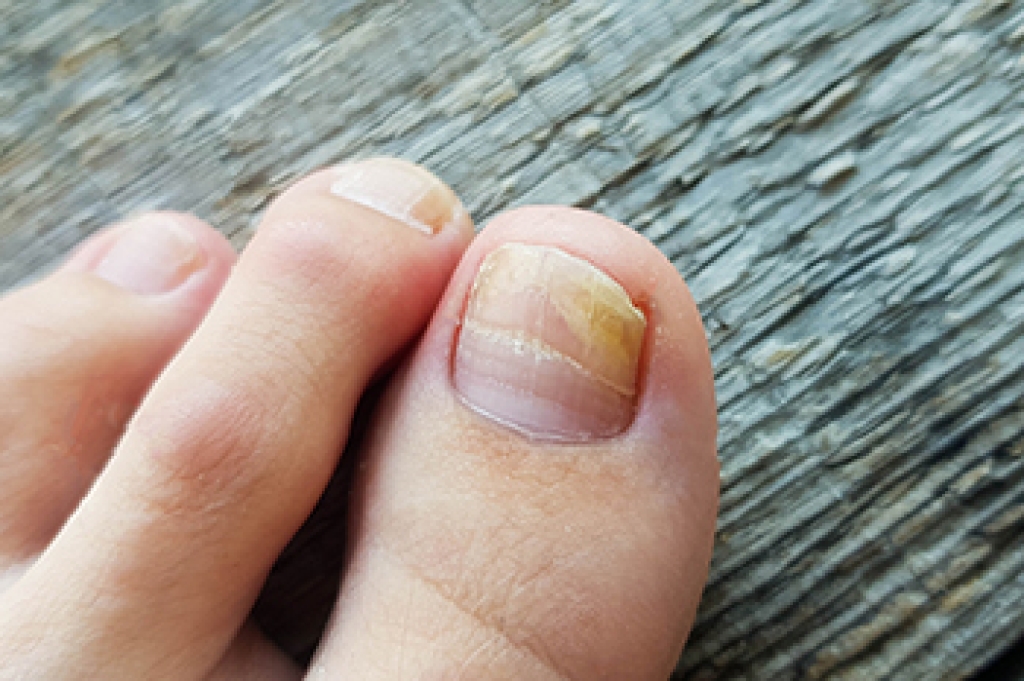
Onychomycosis, a fungal infection that primarily targets the nails of the toes, arises from diverse fungal sources, which can complicate effective treatment. Fortunately, a number of remedies are available to help combat this issue and restore healthy nails. Toenail fungal infections can lead to symptoms such as thickened, discolored, and deformed nails, causing discomfort and embarrassment. Topical medications, including antifungal nail polish, creams, and ointments, can be applied directly to the affected nail. For more severe infections, prescribed oral medications work from within to eliminate the underlying infection. Although they may require several weeks or even months of treatment, they offer better results for stubborn cases. Laser therapy is a less invasive option, which involves using a laser to target and destroy the fungal cells within the nail. In extreme cases, when the infection is particularly resistant or has caused significant damage, surgical removal of the affected nail may be necessary. This involves extracting the entire nail or a portion of it. If you have a fungal toenail infection that is not responding to common treatments, it is suggested that you consult a podiatrist for additional options.

If left untreated, toenail fungus may spread to other toenails, skin, or even fingernails. If you suspect you have toenail fungus it is important to seek treatment right away. For more information about treatment, contact our podiatrists of Superior Foot & Ankle Center. Our doctors can provide the care you need to keep you pain-free and on your feet.

Symptoms

  • Warped or oddly shaped nails
  • Yellowish nails
  • Loose/separated nail
  • Buildup of bits and pieces of nail fragments under the nail
  • Brittle, broken, thickened nail

Treatment

If self-care strategies and over-the-counter medications does not help your fungus, your podiatrist may give you a prescription drug instead. Even if you find relief from your toenail fungus symptoms, you may experience a repeat infection in the future.

Prevention

In order to prevent getting toenail fungus in the future, you should always make sure to wash your feet with soap and water. After washing, it is important to dry your feet thoroughly especially in between the toes. When trimming your toenails, be sure to trim straight across instead of in a rounded shape. It is crucial not to cover up discolored nails with nail polish because that will prevent your nail from being able to “breathe”.

In some cases, surgical procedure may be needed to remove the toenail fungus. Consult with your podiatrist about the best treatment options for your case of toenail fungus.  

If you have any questions, please feel free to contact our office located in Long Beach, CA . We offer the newest diagnostic and treatment technologies for all your foot care needs.


Read more about Toenail Fungus

Definition and Avenues of Treatment of a Plantar Fibroma

Plantar fibroma, a perplexing foot condition, can create discomfort and disrupt daily activities. It involves the growth of benign fibrous tissue in the arch of the foot, leading to the development of a firm nodule. This condition is not linked to cancer and often occurs in the plantar fascia, the band of tissue connecting the heel bone to the toes. While the exact cause remains unclear, it's believed to result from trauma or genetic predisposition. Treatment options encompass a variety of approaches. Conservative measures include wearing orthotic inserts for support, and cushioned shoes to reduce pressure. In more severe cases, surgical removal may be considered. If you have developed a plantar fibroma, it is suggested that you confer with a podiatrist who can effectively diagnose and develop a tailored treatment plan for you.  

A plantar fibroma may disrupt your daily activities. If you have any concerns, contact our podiatrists of Superior Foot & Ankle Center. Our doctors can provide the care you need to keep you pain-free and on your feet.

Plantar Fibroma

A plantar fibroma is a fibrous knot in the arch of the foot. It is embedded in the plantar fascia which is a band of tissue that extends from the heel to the toes along the bottom of the foot. There can be multiple plantar fibromas in the feet at the same time. There are no known causes for this condition. If you have a plantar fibroma, there will be a bump in the arch of your foot that cannot be missed. Any associated pain is most often due to a shoe rubbing against the nodule. Non-surgical options, such as steroid injections, physical therapy, and orthotics should be tried first. Surgery is a last resort and is the only thing that will remove a plantar fibroma entirely. Consult with a podiatrist for a proper diagnosis and to determine the treatment regimen that is right for you.

What Causes a Plantar Fibroma?

While there are no specific causes identified, a plantar fibroma can possibly come from genetic predisposition or the formation of scar tissue that forms from healing the tears in the plantar fascia.

What Are the Symptoms of a Plantar Fibroma?

There will be a noticeable lump in the arch of the foot that may or may not cause pain. If pain is felt, it is typically because a shoe is rubbing up against the lump or when walking or standing barefoot.

Treatment and Prevention

A plantar fibroma will not disappear without treatment, but it can get smaller and be a non-issue. If pain persists, a podiatrist examines the foot and when the arch of the foot is pressed, pain can be felt down to the toes. An MRI or biopsy might be performed to help diagnose or evaluate the plantar fibroma. The following non-surgical options are generally enough to reduce the size and pain of these nodules:

  • Steroid injections
  • Orthotics
  • Physical therapy to help apply anti-inflammatory creams on the bump 

Surgery is considered if the mass increases in size and the patient continues to feel pain after non-surgical methods are tried.

If you have any questions please feel free to contact our office located in Long Beach, CA . We offer the newest diagnostic tools and technology to treat your foot and ankle needs.

Read more about Plantar Fibroma

Cuboid Syndrome and Its Treatment

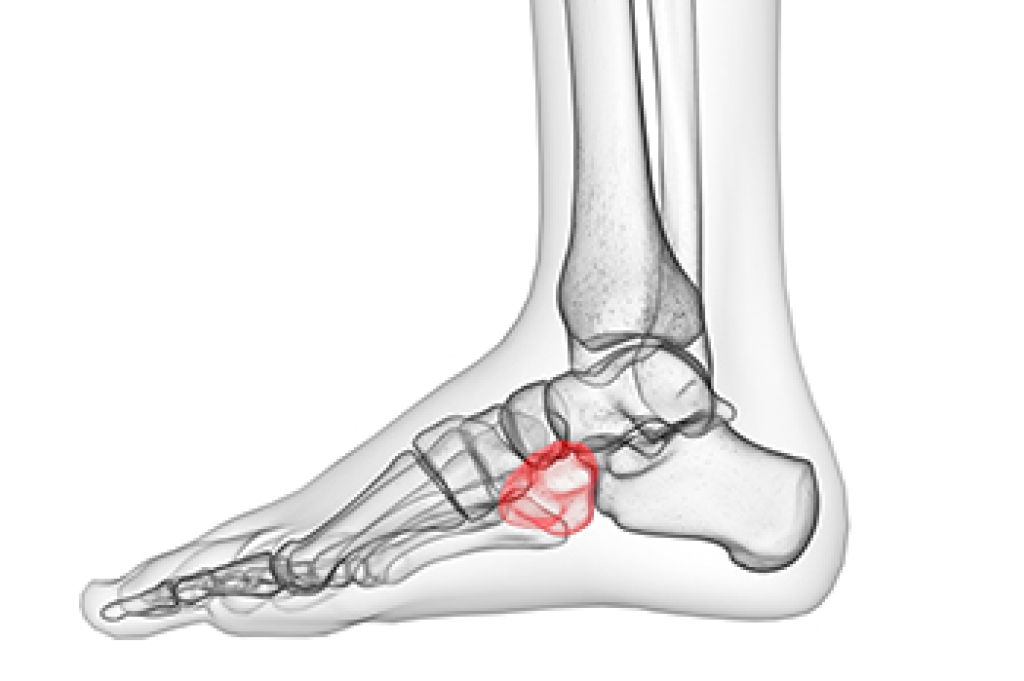
Cuboid syndrome, common among athletes and ballet dancers, occurs when the cuboid bone becomes partially dislocated due to repetitive injury, ankle sprain, or trauma. The cuboid is one of the five bones that make up the midfoot. It is important to the distribution of body weight and the stabilization of the outer midfoot. Cuboid syndrome can lead to difficulty walking. Additionally, some people experience aching pain on the outside of the foot, swelling, and increased pain when pressure is applied to the foot. One may also experience decreased motion, and ankle movement can be painful. A podiatrist’s expertise is needed for diagnosis, since so many of these symptoms mimic those of other afflictions. Treatment includes relocation of the bone, rest, and immobilization with tape, in addition to performing foot exercises for strength and flexibility. If you have troubling discomfort on the outside of the foot, it is suggested that you make an appointment with a podiatrist for a proper exam and care.

Cuboid syndrome, also known as cuboid subluxation, occurs when the joints and ligaments near the cuboid bone in the foot become torn. If you have cuboid syndrome, consult with our podiatrists from Superior Foot & Ankle Center. Our doctors will assess your condition and provide you with quality foot and ankle treatment.

Cuboid syndrome is a common cause of lateral foot pain, which is pain on the outside of the foot. The condition may happen suddenly due to an ankle sprain, or it may develop slowly overtime from repetitive tension through the bone and surrounding structures.

Causes

The most common causes of cuboid syndrome include:

  • Injury – The most common cause of this ailment is an ankle sprain.
  • Repetitive Strain – Tension placed through the peroneus longus muscle from repetitive activities such as jumping and running may cause excessive traction on the bone causing it to sublux.
  • Altered Foot Biomechanics – Most people suffering from cuboid subluxation have flat feet.

Symptoms

A common symptom of cuboid syndrome is pain along the outside of the foot which can be felt in the ankle and toes. This pain may create walking difficulties and may cause those with the condition to walk with a limp.

Diagnosis

Diagnosis of cuboid syndrome is often difficult, and it is often misdiagnosed. X-rays, MRIs and CT scans often fail to properly show the cuboid subluxation. Although there isn’t a specific test used to diagnose cuboid syndrome, your podiatrist will usually check if pain is felt while pressing firmly on the cuboid bone of your foot.

Treatment

Just as the range of causes varies widely, so do treatments. Some more common treatments are ice therapy, rest, exercise, taping, and orthotics.

If you have any questions, please feel free to contact our office located in Long Beach, CA . We offer the newest diagnostic and treatment technologies for all your foot care needs.

Read more about All About Cuboid Syndrome

Choosing a Toddler’s First Walking Shoes

Most experts recommend letting babies go barefoot until they are getting ready to walk. However, finding the right shoes for their first steps can be confusing. The first concern is choosing the right size shoes for your toddler’s feet, and with an increase in age, the shoe size may change frequently. One way to determine the correct size is by inserting the pinky finger between the heel of the shoe and the child’s ankle. It should be snug. Then press the tip of the shoe while the baby is standing. There should be about half an inch of space. Next, choose shoes that are made of lightweight materials and are flexible. Shoes that are easy to put on and take off are desired, along with washability. It is thought that toddlers will need a new pair of shoes every two to three months. Hand-me-down shoes are discouraged as each child has a different foot structure. For additional guidance on choosing walking shoes for your child, it is suggested that you make an appointment with a podiatrist. 

The health of a child’s feet is vital to their overall well-being. If you have any questions regarding foot health, contact our podiatrists of Superior Foot & Ankle Center. Our doctors can provide the care you need to keep you pain-free and on your feet.

Tips for Keeping Children's Feet Healthy

  • Make sure their shoes fit properly
  • Look for any signs of in-toeing or out-toeing
  • Check to see if they have Clubfoot (condition that affects your child’s foot and ankle, twisting the heel and toes inward) which is one of the most common nonmajor birth defects.
  • Lightly cover your baby’s feet (Tight covers may keep your baby from moving their feet freely, and could prevent normal development)
  • Allow your toddler to go shoeless (Shoes can be restricting for a young child’s foot)
  • Cut toenails straight across to avoid ingrown toenails
  • Keep your child’s foot clean and dry
  • Cover cuts and scrapes. Wash any scratches with soap and water and cover them with a bandage until they’ve healed.

If you have any questions, please feel free to contact our office located in Long Beach, CA . We offer the newest diagnostic and treatment technologies for all your foot care needs.

Read more about How to Care for Your Child's Feet

Reminder: When Was the Last Time...?

Custom orthotics, or shoe inserts, should be periodically replaced. Orthotics must fit properly to give you the best results. Protect your feet and ankles!

Connect With Us