Peripheral Neuropathy and Its Impact on Feet

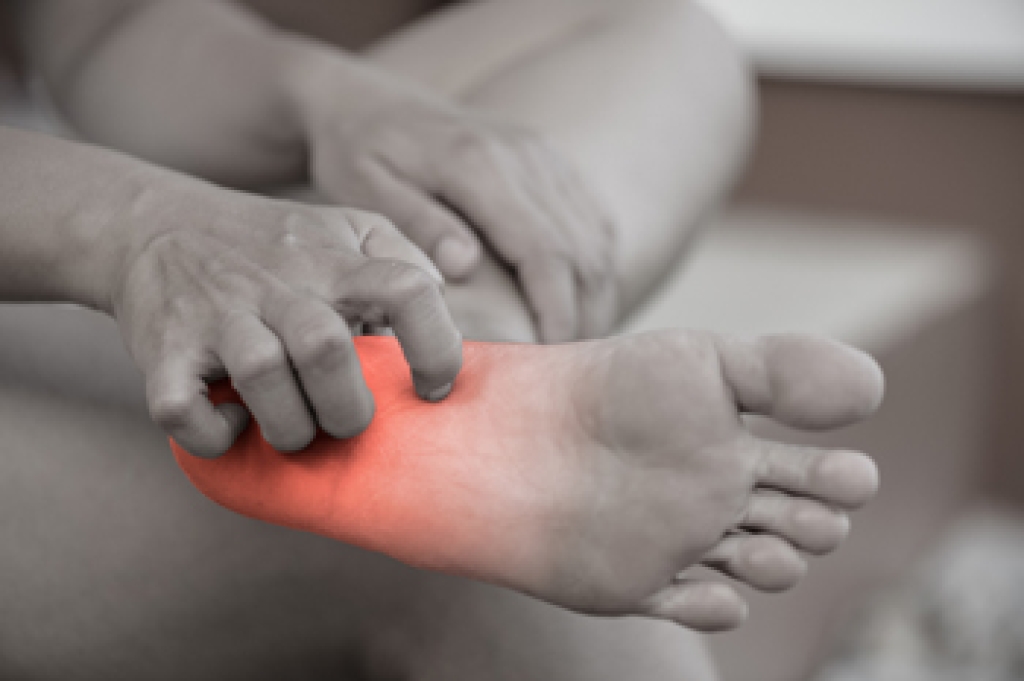
Peripheral neuropathy is a complex condition that affects the peripheral nervous system, leading to a range of symptoms that can significantly impact the feet. This disorder results from damage to the nerves outside the brain and spinal cord, often caused by various underlying conditions such as diabetes, infections, or autoimmune diseases. When it affects the feet, individuals may experience numbness, tingling, or a sensation of pins and needles. This can progress to sharp, shooting pain and muscle weakness. As the condition advances, it can lead to a loss of balance and coordination, increasing the risk of falls. The feet may also become more susceptible to injuries, blisters, and ulcers, with a reduced ability to detect pain or discomfort. Managing peripheral neuropathy often involves addressing the underlying cause, along with pain management and lifestyle adjustments. If you have symptoms of neuropathy, it is suggested that you schedule an appointment with a podiatrist who can perform routine foot exams which may help to prevent potential complications.

Neuropathy

Neuropathy can be a potentially serious condition, especially if it is left undiagnosed. If you have any concerns that you may be experiencing nerve loss in your feet, consult with our podiatrists from Superior Foot & Ankle Center. Our doctors will assess your condition and provide you with quality foot and ankle treatment for neuropathy.

What Is Neuropathy?

Neuropathy is a condition that leads to damage to the nerves in the body. Peripheral neuropathy, or neuropathy that affects your peripheral nervous system, usually occurs in the feet. Neuropathy can be triggered by a number of different causes. Such causes include diabetes, infections, cancers, disorders, and toxic substances.

Symptoms of Neuropathy Include:

  • Numbness
  • Sensation loss
  • Prickling and tingling sensations
  • Throbbing, freezing, burning pains
  • Muscle weakness

Those with diabetes are at serious risk due to being unable to feel an ulcer on their feet. Diabetics usually also suffer from poor blood circulation. This can lead to the wound not healing, infections occurring, and the limb may have to be amputated.

Treatment

To treat neuropathy in the foot, podiatrists will first diagnose the cause of the neuropathy. Figuring out the underlying cause of the neuropathy will allow the podiatrist to prescribe the best treatment, whether it be caused by diabetes, toxic substance exposure, infection, etc. If the nerve has not died, then it’s possible that sensation may be able to return to the foot.

Pain medication may be issued for pain. Electrical nerve stimulation can be used to stimulate nerves. If the neuropathy is caused from pressure on the nerves, then surgery may be necessary.

If you have any questions, please feel free to contact our office located in Long Beach, CA . We offer the newest diagnostic and treatment technologies for all your foot care needs.
Read more about Neuropathy

Proper Recovery for a Foot Stress Fracture

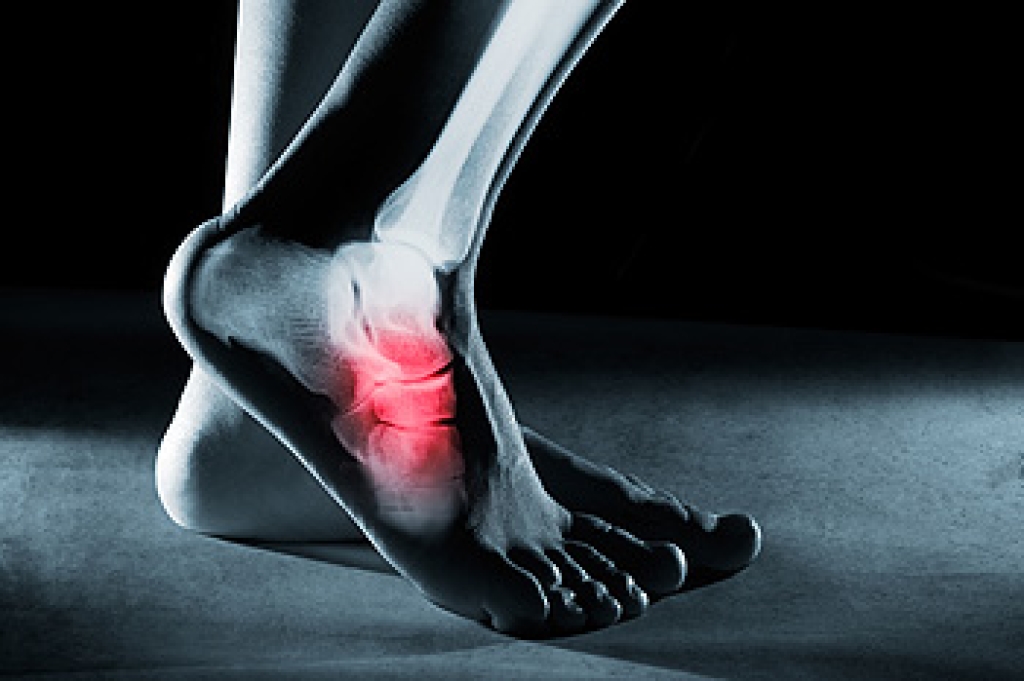
A foot stress fracture can be a painful setback, but with the right approach to recovery, you can ensure a swift and safe return to your active lifestyle. The first step is rest. Allowing your foot to heal is of utmost importance, and this may mean using crutches or a brace to minimize weight-bearing. Getting adequate nutrition, rich in calcium and vitamin D, aids in bone healing. Gentle exercises like swimming or stationary cycling can help maintain cardiovascular fitness without adding stress to your healing foot. Gradually, as pain subsides, introduce weight-bearing activities and strength exercises. Wearing footwear with proper arch support and cushioning is suggested to help reduce pressure at the fracture site. A gradual return to regular activity and sport is vital to prevent re-injury. If you have suffered a foot stress fracture, it is strongly suggested that you visit a podiatrist who can provide the correct treatment options.

Stress fractures occur when there is a tiny crack within a bone. To learn more, contact our podiatrists from Superior Foot & Ankle Center. Our doctors can provide the care you need to keep you pain free and on your feet.

How Are They Caused?

Stress fractures are the result of repetitive force being placed on the bone. Since the lower leg and feet often carry most of the body’s weight, stress fractures are likely to occur in these areas. If you rush into a new exercise, you are more likely to develop a stress fracture since you are starting too much, too soon.  Pain resulting from stress fractures may go unnoticed at first, however it may start to worsen over time.

Risk Factors

  • Gender – They are more commonly found in women compared to men.
  • Foot Problems – People with unusual arches in their feet are more likely to develop stress fractures.
  • Certain Sports – Dancers, gymnasts, tennis players, runners, and basketball players are more likely to develop stress fractures.
  • Lack of Nutrients – A lack of vitamin D and calcium may weaken the bones and make you more prone to stress fractures
  • Weak Bones – Osteoporosis can weaken the bones therefore resulting in stress fractures

Stress fractures do not always heal properly, so it is important that you seek help from a podiatrist if you suspect you may have one. Ignoring your stress fracture may cause it to worsen, and you may develop chronic pain as well as additional fractures.

If you have any questions, please feel free to contact our office located in Long Beach, CA . We offer the newest diagnostic and treatment technologies for all your foot care needs.

Read more about Stress Fractures of the Foot and Ankle

Managing a Broken Toe

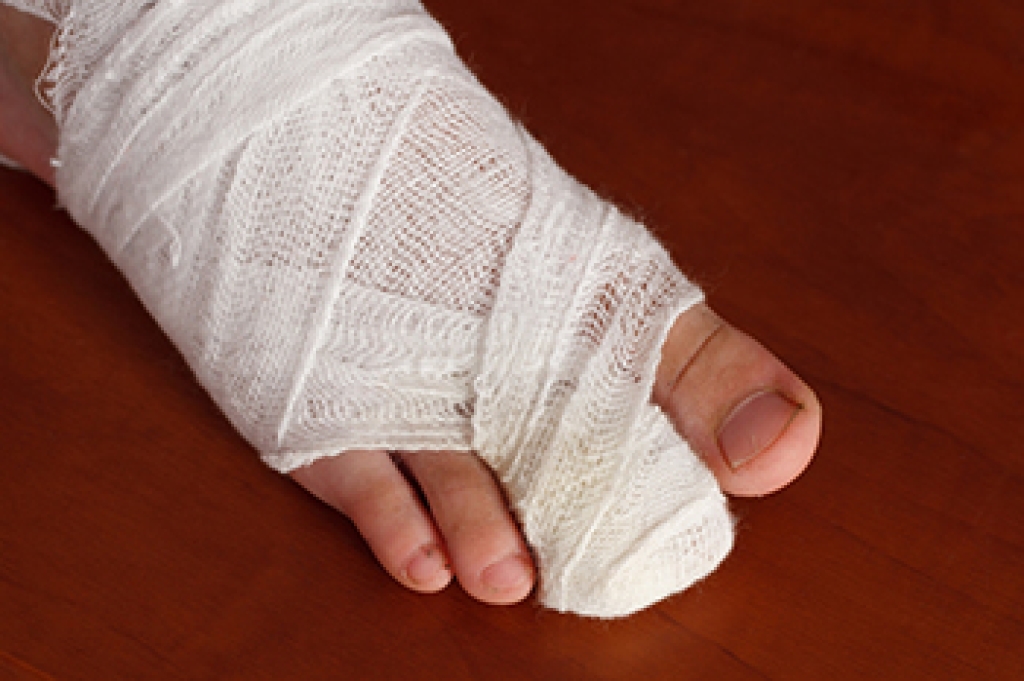
Managing a broken toe can be a painful and inconvenient experience. For stable, non-displaced fractures, an effective method is buddy taping, which is taping the injured toe to an adjacent toe. This provides support and restricts excessive movement, allowing the fractured toe to heal. Another conservative approach to broken toes involves wearing a stiff-soled shoe or a post-operative shoe. This helps protect the injured toe from further trauma and adds stability while walking or bearing weight. In cases where the broken bone ends are significantly separated, a podiatrist may perform a procedure to realign the bones. This is followed by immobilizing the injured toe, through buddy taping, wearing a splint, cast, or a rigid-sole shoe. This is typically done for a period of 4 to 6 weeks. For complex, or severely displaced  fractures, surgical intervention may be necessary. In this case, the bones are realigned, and screws, plates, or wires are used to secure them for stable healing. After the initial healing phase, certain exercises can be recommended to enhance toe flexibility, range of motion, and strength, ensuring a more complete recovery. The severity of the fracture and the specific treatment plan may vary from case to case. Consulting a podiatrist is suggested for an accurate diagnosis and personalized treatment options.

A broken toe can be very painful and lead to complications if not properly fixed. If you have any concerns about your feet, contact our podiatrists from Superior Foot & Ankle Center. Our doctors will treat your foot and ankle needs.

What to Know About a Broken Toe

Although most people try to avoid foot trauma such as banging, stubbing, or dropping heavy objects on their feet, the unfortunate fact is that it is a common occurrence. Given the fact that toes are positioned in front of the feet, they typically sustain the brunt of such trauma. When trauma occurs to a toe, the result can be a painful break (fracture).

Symptoms of a Broken Toe

  • Throbbing pain
  • Swelling
  • Bruising on the skin and toenail
  • The inability to move the toe
  • Toe appears crooked or disfigured
  • Tingling or numbness in the toe

Generally, it is best to stay off of the injured toe with the affected foot elevated.

Severe toe fractures may be treated with a splint, cast, and in some cases, minor surgery. Due to its position and the pressure it endures with daily activity, future complications can occur if the big toe is not properly treated.

If you have any questions, please feel free to contact our office located in Long Beach, CA . We offer the newest diagnostic and treatment technologies for all your foot care needs.
Read more about What to Know About a Broken Toe

Footwear and Children’s Foot Health

Active kids take about 20,000 steps a day, making the choice of shoes important for their foot health. Conventional shoes can distort natural foot structures, leading to musculoskeletal issues over time. Adult feet and conventional adult shoes share a similar shape, which is not a coincidence. Many foot problems, such as bunions and heel pain, that are seen in western societies are rare in cultures where people walk mostly barefoot. This may suggest that certain footwear affects foot shape negatively. Parents can opt for children’s shoes that are widest at the toes, flat, lightweight, and have flexible soles. Avoid arch support or pronation control features as these can interfere with natural foot development. It is also acceptable to allow your child to walk barefoot occasionally, as feet are adaptable. However, always be cautious about unsafe surfaces. Making these simple choices can contribute to the healthy development of your child’s feet. If you want to make sure that your child’s feet have the best chance of developing healthfully, it is suggested that you make an appointment with a podiatrist for an evaluation and discussion on how to best do this.

Making sure that your children maintain good foot health is very important as they grow. If you have any questions, contact our podiatrists of Superior Foot & Ankle Center. Our doctors can provide the care you need to keep you pain-free and on your feet.

Keeping Children's Feet Healthy

Having healthy feet during childhood can help prevent medical problems later in life, namely in the back and legs. As children grow, their feet require different types of care. Here are some things to consider...

Although babies do not walk yet, it is still very important to take care of their feet.

Avoid putting tight shoes or socks on his or her feet.

Allow the baby to stretch and kick his or her feet to feel comfortable.

As a toddler, kids are now on the move and begin to develop differently. At this age, toddlers are getting a feel for walking, so don’t be alarmed if your toddler is unsteady or ‘walks funny’. 

As your child gets older, it is important to teach them how to take care of their feet.

Show them proper hygiene to prevent infections such as fungus.

Be watchful for any pain or injury.

Have all injuries checked by a doctor as soon as possible.

Comfortable, protective shoes should always be worn, especially at play.

If you have any questions, please feel free to contact our office located in Long Beach, CA . We offer the newest diagnostic and treatment technologies for all your foot care needs.

Read more about What to Do to Keep Your Child’s Feet Healthy

Common Sources of Heel Pain

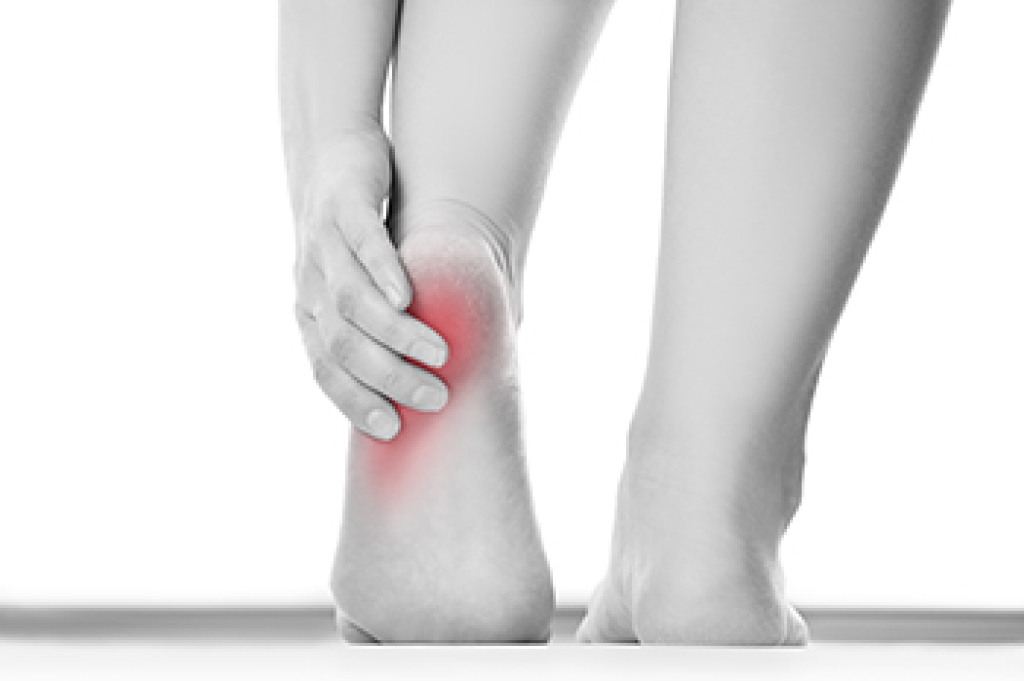
Heel pain can be a real hindrance, affecting your daily life and mobility. Recognizing symptoms of heel pain helps you identify the cause and find relief. Plantar fasciitis is the most common complaint associated with heel pain. It often causes a sharp pain in the heel, especially in the morning. This condition occurs when the plantar fascia, the tissue connecting your heel bone to your toes, becomes inflamed. Achilles tendinitis results in pain in the back of the heel as the Achilles tendon, which connects the calf muscles to the heel bone, is torn and becomes inflamed. Heel spurs, bony growths on the underside of the heel bone, often accompany conditions like plantar fasciitis and may induce further pain. Bursitis, the inflammation of the bursa sacs around the heel, can lead to pain when walking or wearing tight-fitting shoes. Stress fractures, tiny cracks in the heel bone caused by repetitive stress, result in localized pain. If you're experiencing heel pain, it is suggested that you make an appointment with a podiatrist for an examination and a diagnosis. Then this medically trained foot doctor can formulate a  personalized treatment plan to get you back on your feet pain-free.

Many people suffer from bouts of heel pain. For more information, contact our podiatrists of Superior Foot & Ankle Center. Our doctors can provide the care you need to keep you pain-free and on your feet.

Causes of Heel Pain

Heel pain is often associated with plantar fasciitis. The plantar fascia is a band of tissues that extends along the bottom of the foot. A rip or tear in this ligament can cause inflammation of the tissue.

Achilles tendonitis is another cause of heel pain. Inflammation of the Achilles tendon will cause pain from fractures and muscle tearing. Lack of flexibility is also another symptom.

Heel spurs are another cause of pain. When the tissues of the plantar fascia undergo a great deal of stress, it can lead to ligament separation from the heel bone, causing heel spurs.

Why Might Heel Pain Occur?

  • Wearing ill-fitting shoes                  
  • Wearing non-supportive shoes
  • Weight change           
  • Excessive running

Treatments

Heel pain should be treated as soon as possible for immediate results. Keeping your feet in a stress-free environment will help. If you suffer from Achilles tendonitis or plantar fasciitis, applying ice will reduce the swelling. Stretching before an exercise like running will help the muscles. Using all these tips will help make heel pain a condition of the past.

If you have any questions please contact our office located in Long Beach, CA . We offer the newest diagnostic and treatment technologies for all your foot and ankle needs.

Read more about Heel Pain

Connect With Us