
Baby Feet Shape

If you are a new parent, then you are likely familiar with the importance of caring for your child’s feet and ensuring that they are growing or developing appropriately. One thing that might be a source of confusion among new parents is what your baby’s foot shape is supposed to look like. Importantly, by the time a baby reaches 2 years of age, you might be able to discern what their natural foot shape will be. Babies inherit the shape of their feet from their parents, and the baby will likely exhibit one of three different shape types. First, the baby might have a tapered foot shape where the big toe is the longest toe. Second, a baby might have what is known as a rounded foot shape, where the second and third toes are actually the longest, being longer than the first. Third, the foot might be a square shape, where all of the toes in the feet are about the same length. For more information about what your baby’s feet are supposed to look like, contact a podiatrist today and schedule an appointment. 

Making sure that your children maintain good foot health is very important as they grow. If you have any questions, contact our podiatrists of Superior Foot & Ankle Center. Our doctors can provide the care you need to keep you pain-free and on your feet.

Keeping Children's Feet Healthy

Having healthy feet during childhood can help prevent medical problems later in life, namely in the back and legs. As children grow, their feet require different types of care. Here are some things to consider...

Although babies do not walk yet, it is still very important to take care of their feet.

Avoid putting tight shoes or socks on his or her feet.

Allow the baby to stretch and kick his or her feet to feel comfortable.

As a toddler, kids are now on the move and begin to develop differently. At this age, toddlers are getting a feel for walking, so don’t be alarmed if your toddler is unsteady or ‘walks funny’. 

As your child gets older, it is important to teach them how to take care of their feet.

Show them proper hygiene to prevent infections such as fungus.

Be watchful for any pain or injury.

Have all injuries checked by a doctor as soon as possible.

Comfortable, protective shoes should always be worn, especially at play.

If you have any questions, please feel free to contact our office located in Long Beach, CA . We offer the newest diagnostic and treatment technologies for all your foot care needs.


Read more about What to Do to Keep Your Child’s Feet Healthy

When Corns Become Serious

Many individuals not well-versed in afflictions of the foot might already be familiar with corns, one of the most common foot conditions that affect a wide variety of people. Importantly, corns can develop in an individual when layers of thickened skin emerge on the feet, particularly the toes or soles of the feet. Corns will sometimes develop in response to applied pressure that can come from a shoe rubbing up against the feet. It is critical to know when corns become especially serious. Corns can become dangerous when they become painful in some way. Additionally, individuals who suffer from diabetes may be at an increased risk of experiencing complications with corns. If this applies to you, you might consider receiving immediate health attention. Contact a podiatrist today for more information. 

If you have any concerns regarding your feet and ankles, contact our podiatrists of Superior Foot & Ankle Center. Our doctors will treat your foot and ankle needs.

Corns: What Are They? and How Do You Get Rid of Them?
Corns can be described as areas of the skin that have thickened to the point of becoming painful or irritating. They are often layers and layers of the skin that have become dry and rough, and are normally smaller than calluses.

Ways to Prevent Corns
There are many ways to get rid of painful corns such as wearing:

  • Well-fitting socks
  • Comfortable shoes that are not tight around your foot
  • Shoes that offer support

Treating Corns
Treatment of corns involves removing the dead skin that has built up in the specific area of the foot. Consult with Our doctors to determine the best treatment option for your case of corns.

If you have any questions please feel free to contact our office located in Long Beach, CA . We offer the newest diagnostic and treatment technologies for all your foot and ankle needs.

Read more about Understanding Corns and Calluses

Who Is Prone to Getting an Achilles Tendon Injury?

One of the most painful foot conditions is known as an Achilles tendon injury. It happens when the tendon that is located in the back of the ankle partially or completely tears. This may be more common in middle-aged people. This type of injury can be caused in people who have poor flexibility, or who engage in occasional sporting activities without properly warming up. The symptoms that often accompany an Achilles tendon injury can include hearing a pop at the time of the injury, and the affected foot may be red, swollen, and bruised. Patients have found mild relief when the foot is elevated, and this can help to diminish some of the swelling. The approximate healing time is several weeks, and this depends on how severe the injury is. Additional relief techniques can consist of wearing a boot or cast that can provide stability as the healing process occurs, and specific stretches and exercises are performed. If you have endured this type of injury, please schedule an appointment with a podiatrist who can guide you toward proper treatment methods, which may include surgery in severe cases.

Achilles tendon injuries need immediate attention to avoid future complications. If you have any concerns, contact our podiatrists of Superior Foot & Ankle Center. Our doctors can provide the care you need to keep you pain-free and on your feet.

What Is the Achilles Tendon?

The Achilles tendon is a tendon that connects the lower leg muscles and calf to the heel of the foot. It is the strongest tendon in the human body and is essential for making movement possible. Because this tendon is such an integral part of the body, any injuries to it can create immense difficulties and should immediately be presented to a doctor.

What Are the Symptoms of an Achilles Tendon Injury?

There are various types of injuries that can affect the Achilles tendon. The two most common injuries are Achilles tendinitis and ruptures of the tendon.

Achilles Tendinitis Symptoms

  • Inflammation
  • Dull to severe pain
  • Increased blood flow to the tendon
  • Thickening of the tendon

Rupture Symptoms

  • Extreme pain and swelling in the foot
  • Total immobility

Treatment and Prevention

Achilles tendon injuries are diagnosed by a thorough physical evaluation, which can include an MRI. Treatment involves rest, physical therapy, and in some cases, surgery. However, various preventative measures can be taken to avoid these injuries, such as:

  • Thorough stretching of the tendon before and after exercise
  • Strengthening exercises like calf raises, squats, leg curls, leg extensions, leg raises, lunges, and leg presses

If you have any questions please feel free to contact our office located in Long Beach, CA . We offer the newest diagnostic tools and technology to treat your foot and ankle needs.

Read more about What are Achilles Tendon Injuries

Foot Pain From Driving

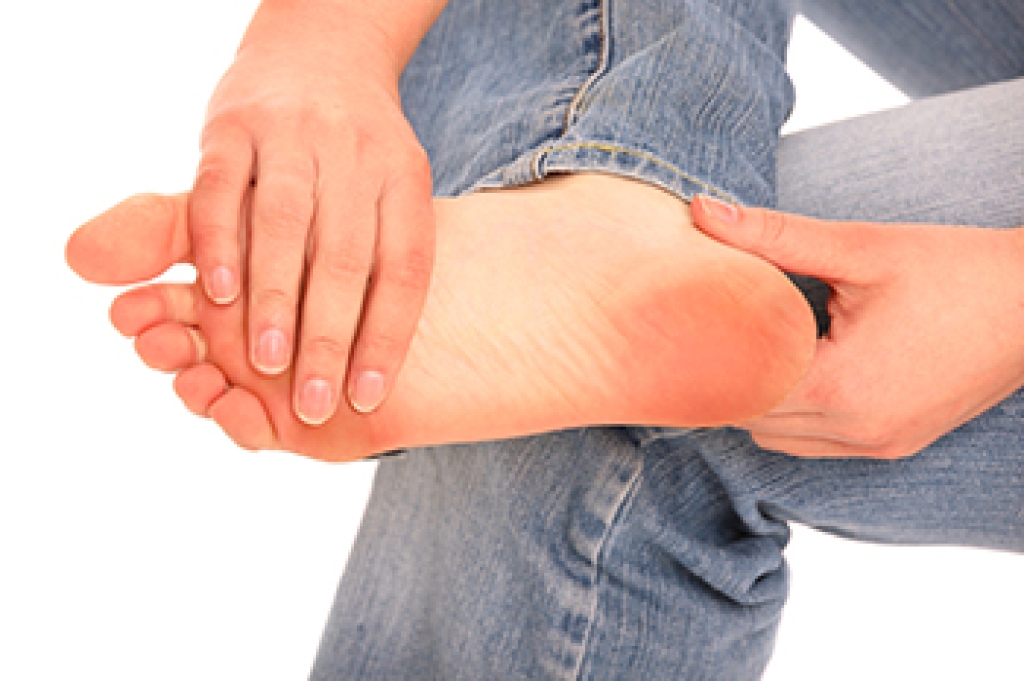
Foot pain from driving is more common than some might imagine. Such pain is sometimes jokingly referred to as “driver’s foot,” “clutch foot,” or “accelerator foot.” Drivers may experience foot pain from driving as cramps in their feet, pain in one or both heels, pain in the ball of the foot around the big toe joint, or across the top of the foot. Pain may be worse if one is stuck in traffic for prolonged periods of time and needing to hold the foot in one position for longer than usual. The angle of the foot while driving might also contribute to pain. Because we tend to rest the heels of our feet on the floor when driving, this area is more apt to become sore or bruised. One can also experience pain where the ankle meets the foot from the tension of holding the pedals in certain places or having pedals that are hard to push down. If you experience foot pain while driving, or if pain persists when not driving, it is a good idea to consult with a podiatrist to see what the problem might be. This health professional is an expert in treatment options for all foot and ankle-related conditions.

Foot Pain

Foot pain can be extremely painful and debilitating. If you have a foot pain, consult with our podiatrists from Superior Foot & Ankle Center. Our doctors will assess your condition and provide you with quality foot and ankle treatment.

Causes

Foot pain is a very broad condition that could be caused by one or more ailments. The most common include:

  • Bunions
  • Hammertoes
  • Plantar Fasciitis
  • Bone Spurs
  • Corns
  • Tarsal Tunnel Syndrome
  • Ingrown Toenails
  • Arthritis (such as Gout, Rheumatoid, and Osteoarthritis)
  • Flat Feet
  • Injury (from stress fractures, broken toe, foot, ankle, Achilles tendon ruptures, and sprains)
  • And more

Diagnosis

To figure out the cause of foot pain, podiatrists utilize several different methods. This can range from simple visual inspections and sensation tests to X-rays and MRI scans. Prior medical history, family medical history, and any recent physical traumatic events will all be taken into consideration for a proper diagnosis.

Treatment

Treatment depends upon the cause of the foot pain. Whether it is resting, staying off the foot, or having surgery; podiatrists have a number of treatment options available for foot pain.

If you have any questions, please feel free to contact our office located in Long Beach, CA . We offer the newest diagnostic and treatment technologies for all your foot care needs.
Read more about Foot Pain

Gout Pain Can Be Managed

Gout is a painful, inflammatory form of arthritis. Those affected will typically feel an intense stiffness in the joints of their feet, particularly in the big toe. Schedule a visit to learn about how gout can be managed and treated.

Connect With Us