
Plantar warts are small growths that develop on parts of the feet that bear weight. They're typically found on the bottom of the foot. Don't live with plantar warts, and call us today!
Plantar warts are small growths that develop on parts of the feet that bear weight. They're typically found on the bottom of the foot. Don't live with plantar warts, and call us today!

Ankle sprains frequently affect volleyball players due to the physical demands of the sport. A sprain occurs when the ligaments around the ankle are stretched beyond their normal range, often during a sudden or forceful movement. This type of stretching injury commonly happens when players land improperly after a jump or shift direction quickly during play. The ankle may roll outward, placing excessive strain on the supporting ligaments and leading to injury.
The symptoms of an ankle sprain can vary, but often include swelling, pain, and bruising. Players may experience instability and have difficulty walking or placing weight on the injured foot. In some cases, the ankle may feel weak or unstable during movement. Risk factors include frequent jumping, fast-paced directional changes, and close contact with other players. Wearing unsupportive footwear and skipping proper warm-up routines can further increase the risk of injury. Previous ankle injuries also make players more vulnerable to future sprains.
Ankle sprains are divided into three grades to describe their severity. A grade 1 sprain involves slight ligament stretching with mild symptoms and minimal swelling. A grade 2 sprain includes a partial ligament tear, causing moderate pain, swelling, and limited mobility. A grade 3 sprain is the most severe and involves a complete ligament tear, leading to intense pain, significant swelling, and an inability to bear weight. Accurate diagnosis helps determine the appropriate level of care.
Preventing ankle sprains in volleyball requires attention to strength, technique, and recovery. Balance training and wearing supportive footwear can improve stability and reduce stress on the ankle joint. Allowing time for recovery between games and practices is also important. Recognizing early symptoms can help prevent more serious injury. If you enjoy volleyball and have sprained your ankle, it is suggested that you consult a podiatrist who can offer effective relief and treatment solutions.
Ankle and foot injuries are common among athletes and in many sports. They can be caused by several problems and may be potentially serious. If you are feeling pain or think you were injured in a sporting event or when exercising, consult with our podiatrists from Superior Foot & Ankle Center. Our doctors will assess your condition and provide you with quality foot and ankle treatment.
Common Injuries
The most common injuries that occur in sporting activities include:
Symptoms
Symptoms vary depending upon the injury and in some cases, there may be no symptoms at all. However, in most cases, some form of symptom is experienced. Pain, aching, burning, bruising, tenderness, tightness or stiffness, sensation loss, difficulty moving, and swelling are the most common symptoms.
Treatment
Just as symptoms vary depending upon the injury, so do treatment options. A common treatment method is known as the RICE method. This method involves rest, applying ice, compression and elevating the afflicted foot or ankle. If the injury appears to be more serious, surgery might be required, such as arthroscopic or reconstructive surgery. Lastly, rehabilitation or therapy might be needed to gain full functionality in the afflicted area. Any discomfort experienced by an athlete must be evaluated by a licensed, reputable medical professional.
If you have any questions please contact our office located in Long Beach, CA . We offer the newest diagnostic and treatment technologies for all your foot and ankle needs.
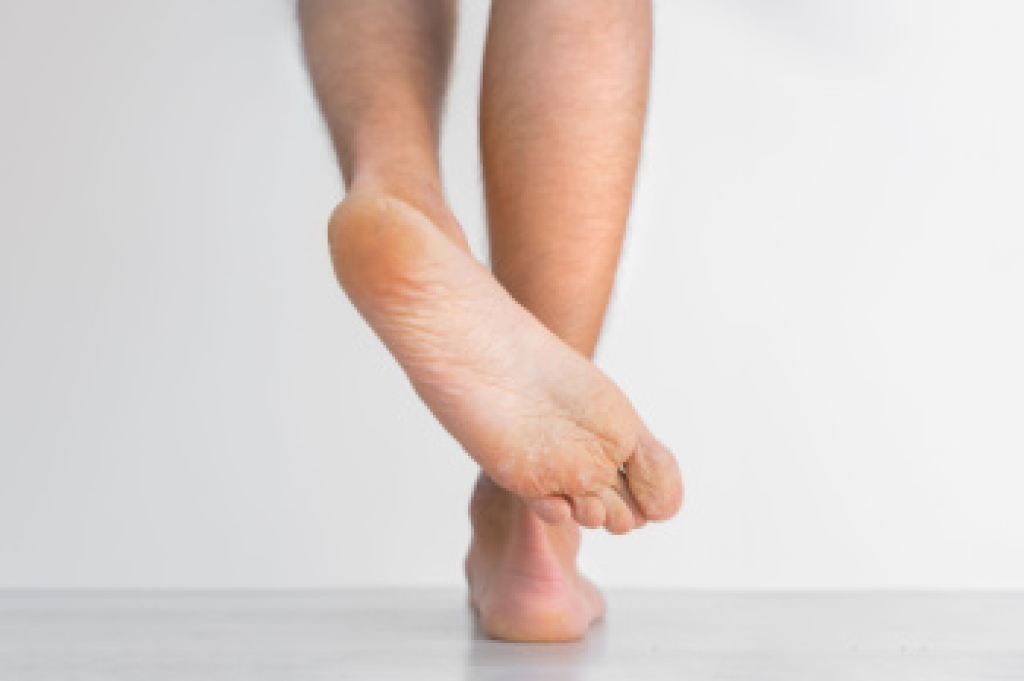
Athlete’s foot is a fungal infection that usually begins between the toes. The fungus thrives in warm, dark, and damp areas. Symptoms include itching, burning, and peeling skin. The affected area can also become red, scaly, or cracked. Small blisters sometimes develop, and the skin between the toes can appear white and soggy. Without proper treatment, the infection can spread across the foot or reach the toenails. It can also pass to other people through contact with infected skin, shared items, or contaminated floors.
Risk rises when feet remain sweaty inside shoes for long periods. Walking barefoot in shared showers, gyms, or locker rooms also increases exposure. Sharing socks, towels, or shoes can spread the fungus. People with diabetes or a weakened immune system face a greater risk of complications. Cracked skin can allow bacteria to enter and cause a more serious infection. Warning signs include increasing redness, warmth, and swelling. Pain, drainage, or a fever also deserves prompt medical attention. Keeping the feet clean and dry can lower the risk of infection. Patients should change socks regularly and allow shoes to dry before wearing them again. Protective sandals can reduce contact with contaminated floors in shared facilities.
A podiatrist can examine the affected skin and determine whether the problem is athlete’s foot or another condition with similar symptoms. Skin conditions like eczema can resemble a fungal infection, so an accurate diagnosis matters. The podiatrist can create a treatment plan based on the infection’s location and severity. Care can also address infected toenails, damaged skin, or signs of a bacterial infection. Patients with diabetes benefit from prompt evaluation because even a small crack can develop into a serious foot problem. A podiatrist can also explain how to reduce moisture, select breathable shoes, and prevent the infection from returning or spreading. If you have symptoms of athlete's foot, it is suggested that you schedule an appointment with a podiatrist for a diagnosis and appropriate treatment.
Athlete’s foot is an inconvenient condition that can be easily reduced with the proper treatment. If you have any concerns about your feet and ankles, contact our podiatrists from Superior Foot & Ankle Center. Our doctors will treat your foot and ankle needs.
Athlete’s Foot: The Sole Story
Athlete's foot, also known as tinea pedis, can be an extremely contagious foot infection. It is commonly contracted in public changing areas and bathrooms, dormitory style living quarters, around locker rooms and public swimming pools, or anywhere your feet often come into contact with other people.
Solutions to Combat Athlete’s Foot
Athlete’s foot can cause many irritating symptoms such as dry and flaking skin, itching, and redness. Some more severe symptoms can include bleeding and cracked skin, intense itching and burning, and even pain when walking. In the worst cases, Athlete’s foot can cause blistering as well. Speak to your podiatrist for a better understanding of the different causes of Athlete’s foot, as well as help in determining which treatment options are best for you.
If you have any questions please feel free to contact our office located in Long Beach, CA . We offer the newest diagnostic and treatment technologies for all your foot and ankle needs.

Treadmill running offers a convenient way to exercise in a controlled setting. Runners can choose their speed, adjust the incline, and follow a pace without dealing with traffic or challenging weather. The belt provides a smooth, predictable surface that can feel gentler than concrete. This consistency can help new runners learn pacing and gradually build endurance. A treadmill makes interval training easier because speed settings are precise. For people with busy schedules, indoor access can make regular running more practical. These benefits make the treadmill a useful option for fitness, training, and maintaining a routine throughout the year.
However, treadmill running has drawbacks. The moving belt assists with forward motion, so the legs and feet work somewhat differently than they do outdoors. A flat, even surface also places the body through the same movement repeatedly. This lack of variety can contribute to soreness or strain, especially when speed or distance rises too quickly. Treadmills do not prepare runners for uneven ground, sharp turns, or downhill sections. They can also feel repetitive, and some runners find the indoor setting less motivating. Having poor form and wearing shoes that lack proper support can increase pressure on the heels, arches, and ankles.
A podiatrist can help runners gain the benefits of treadmill exercise while reducing injury risks. The visit can include an examination of foot structure, joint movement, and running form. A podiatrist can identify problems linked to heel pain, arch strain, or repeated stress. Advice can cover proper shoe selection, safe training changes, and the use of custom orthotics. These are shoe inserts designed to improve support and distribute pressure more evenly. A podiatrist can also explain whether treadmill running suits a patient's foot health, symptoms, and training goals. If your feet hurt after running on a treadmill, it is suggested that you schedule an appointment with a podiatrist for a diagnosis and appropriate treatment.
All runners should take extra precaution when trying to avoid injury. If you have any concerns about your feet, contact our podiatrists of Superior Foot & Ankle Center. Our doctors will treat your foot and ankle needs.
How to Prevent Running Injuries
There are a lot of mistakes a runner can make prior to a workout that can induce injury. A lot of athletes tend to overstretch before running, instead of saving those workouts for a post-run routine. Deep lunges and hand-to-toe hamstring pulls should be performed after a workout instead of during a warmup. Another common mistake is jumping into an intense routine before your body is physically prepared for it. You should try to ease your way into long-distance running instead of forcing yourself to rush into it.
More Tips for Preventing Injury
If you have any questions, please feel free to contact our office located in Long Beach, CA . We offer the newest diagnostic and treatment technologies for all your foot care needs.
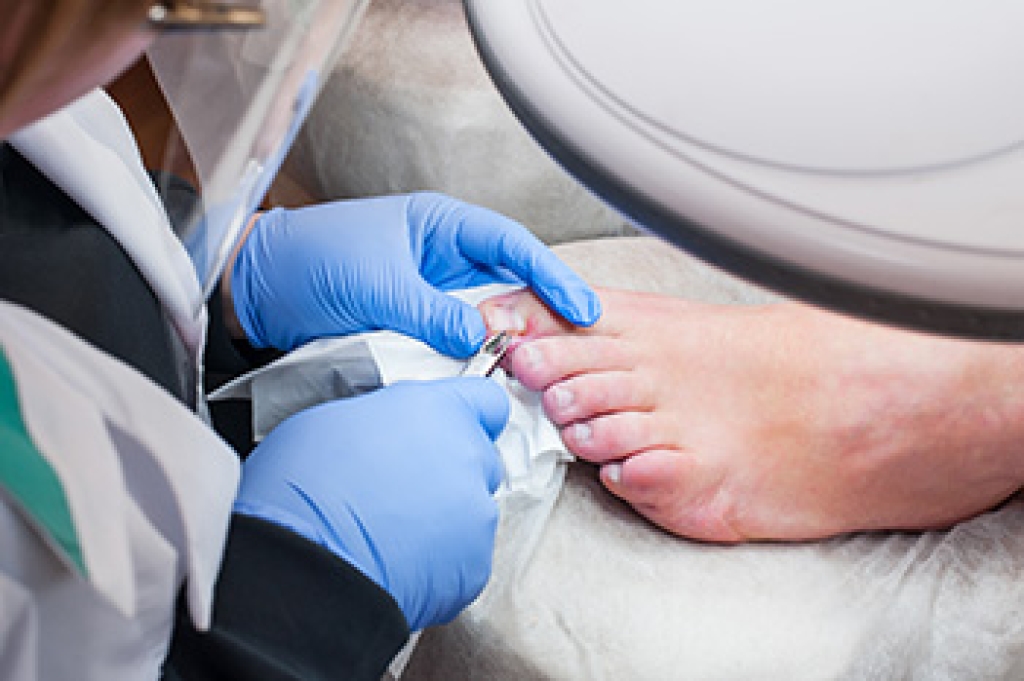
Ingrown toenails are a common foot condition in which the edge of the nail grows into the surrounding skin. This often affects the big toe and can lead to pain, redness, and swelling. Causes include improper nail trimming, wearing tight fitting shoes, and genetic nail shape. When pressure forces the nail into the skin, irritation and inflammation develop, which may progress to infection if left untreated. This condition is frequently seen in individuals who wear narrow shoes or participate in activities that stress the toes.
Symptoms of ingrown toenails include tenderness along the nail border, swelling, and localized warmth. As the condition worsens, drainage, infection, and increased pain may occur. Risk factors include poor foot hygiene, curved nails, and excessive sweating. Individuals with diabetes or circulation issues may face a higher risk of complications. Early management can often relieve symptoms, but advanced cases may require surgical intervention to correct the problem.
Surgery becomes necessary when conservative treatments fail or when infection persists. Nail avulsion involves removing part or all of the nail to relieve pressure and allow healing. Wedge excision removes a portion of the nail and surrounding tissue to prevent recurrence and nail-bed ablation targets the growth center of the nail to stop regrowth in severe cases. Additionally, the Zadek procedure is a more advanced technique that removes the nail matrix entirely, providing a long-term solution for chronic conditions.
Proper treatment can restore comfort and prevent recurring issues. Wearing well-fitted shoes, maintaining good nail care, and addressing symptoms early can reduce risk. Surgical options are safe and effective when performed by a podiatrist. If you have an ingrown toenail that needs surgery, it is suggested that you consult a podiatrist for appropriate treatment solutions, which may include minor surgery.
Foot surgery is sometimes necessary to treat a foot ailment. To learn more, contact our podiatrists of Superior Foot & Ankle Center. Our doctors will assist you with all of your foot and ankle needs.
When Is Surgery Necessary?
Foot and ankle surgery is generally reserved for cases in which less invasive, conservative procedures have failed to alleviate the problem. Some of the cases in which surgery may be necessary include:
What Types of Surgery Are There?
The type of surgery you receive will depend on the nature of the problem you have. Some of the possible surgeries include:
Benefits of Surgery
Although surgery is usually a last resort, it can provide more complete pain relief compared to non-surgical methods and may allow you to finally resume full activity.
Surgical techniques have also become increasingly sophisticated. Techniques like endoscopic surgery allow for smaller incisions and faster recovery times.
If you have any questions, please feel free to contact our office located in Long Beach, CA . We offer the newest diagnostic and treatment technologies for all your foot care needs.
Connect With Us
