Why You Should Treat Your Gout

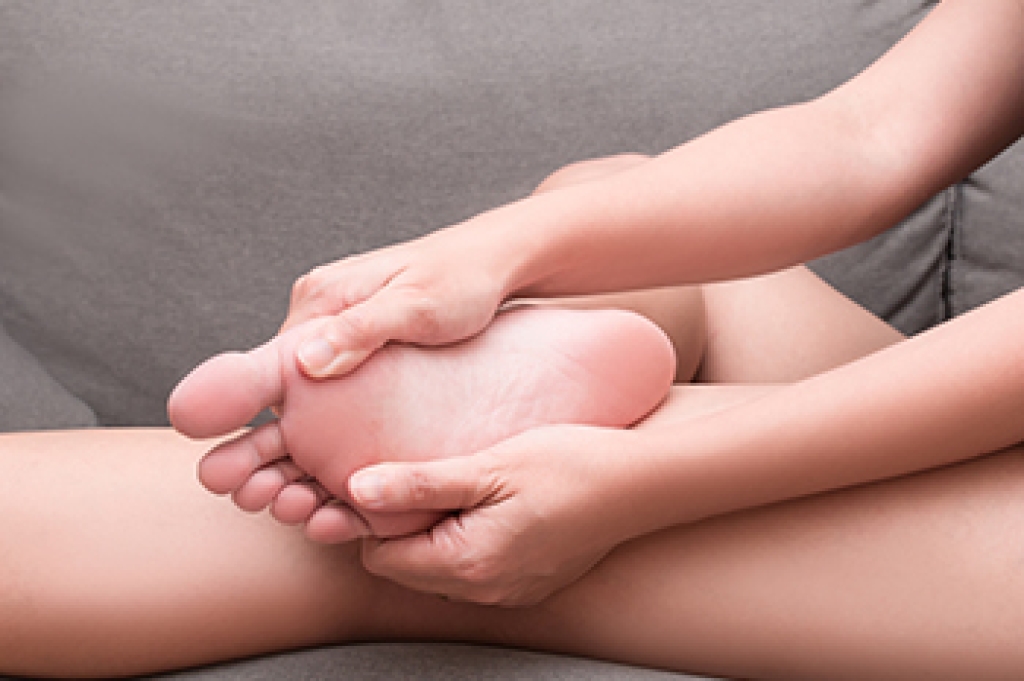
Many people experience occasional gout attacks. These flare ups cause sudden, severe pain, swelling, and warmth in the affected joint that usually last between 3 and 10 days. Once the gout attack ends, the symptoms subside - at least until the next gout attack. If the severe pain of a flare up is not reason enough to seek medical care, it is important to remember the risk of gout becoming chronic if it is left untreated. Gout is a form of arthritis. When steps are not taken to treat this condition, hard lumps called tophi can develop in your joints, skin, and surrounding tissues, causing permanent joint damage and swelling. Managing the symptoms of gout and preventing future attacks are the main goals of treatment. To learn more about gout, please consult with a podiatrist. 

Gout is a foot condition that requires certain treatment and care. If you are seeking treatment, contact our podiatrists from Superior Foot & Ankle Center. Our doctors will treat your foot and ankle needs.

What Is Gout?

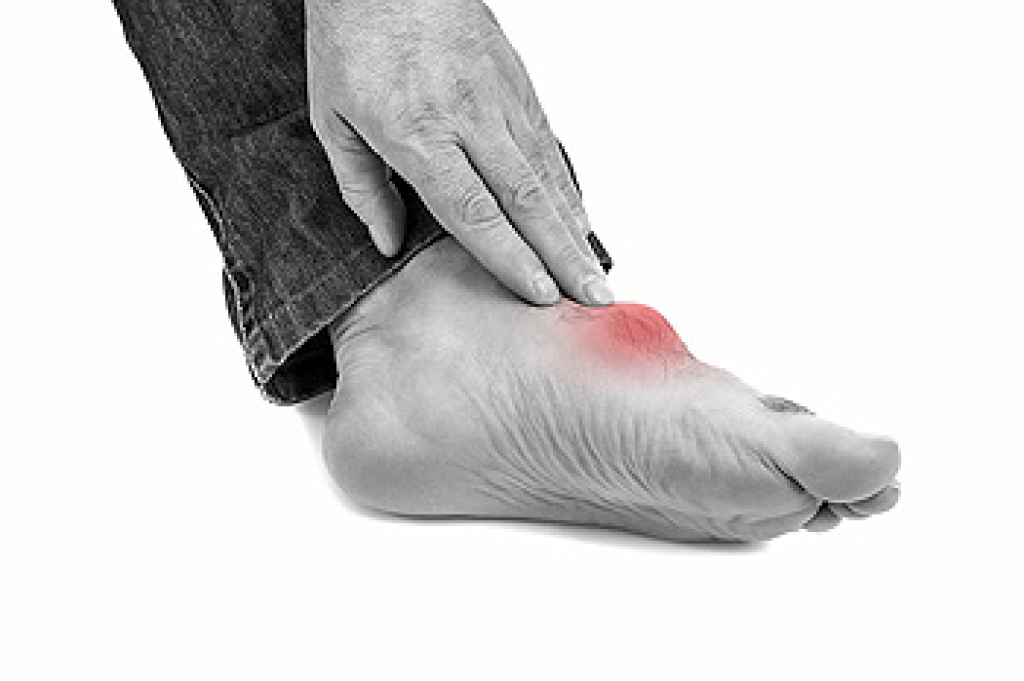
Gout is a type of arthritis caused by a buildup of uric acid in the bloodstream. It often develops in the foot, especially the big toe area, although it can manifest in other parts of the body as well. Gout can make walking and standing very painful and is especially common in diabetics and the obese.

People typically get gout because of a poor diet. Genetic predisposition is also a factor. The children of parents who have had gout frequently have a chance of developing it themselves.

Gout can easily be identified by redness and inflammation of the big toe and the surrounding areas of the foot. Other symptoms include extreme fatigue, joint pain, and running high fevers. Sometimes corticosteroid drugs can be prescribed to treat gout, but the best way to combat this disease is to get more exercise and eat a better diet.

If you have any questions please feel free to contact our office located in Long Beach, CA . We offer the newest diagnostic and treatment technologies for all your foot and ankle needs.

Read more about Everything You Need to Know About Gout

Three Habits to Prevent Running Injuries

Although running is great exercise, injuries to the feet and ankles are common among runners. Fortunately, there are steps that you can take to prevent injury. Prior to running, it is important to warm up. Warm ups gradually introduce a large range of motion to your body, making it easier to run. While running, you should run with purpose. This simply means that you should have a plan prior to running. Choose what you will be focusing on while you run. This might be speed, endurance, mileage, or something else. Finally, stretch and strengthen your muscles. This helps increase flexibility and strength and makes injuries less likely. If you have injured your feet or ankles while running, seek the care of a podiatrist for a proper diagnosis and treatment. 

Exercising your feet regularly with the proper foot wear is a great way to prevent injuries. If you have any concerns about your feet, contact our podiatrists of Superior Foot & Ankle Center. Our doctors will treat your foot and ankle needs.

How to Prevent Running Injuries

Many common running injuries are caused by overuse and overtraining. When the back of the kneecap starts wearing out and starts causing pain in your knee, this is commonly referred to as runner’s knee. Runner’s knee is a decrease in strength in your quadriceps and can occur if you’re not wearing properly fitted or supporting shoes. To prevent runner’s knee, focusing on hip strengthening is a good idea, as well as strengthening your quads to keep the kneecaps aligned.

What Are Some Causes of Running Injuries?
- One cause of a common running injury is called iliotibial band syndrome.
- Plantar fasciitis is also another common injury.
- Stress fractures can occur from overtraining, lack of calcium, or even your running style.

Best Ways to Prevent Running Injuries
- Wear footwear that fits properly and suits your running needs.
- Running shoes are the only protective gear that runners have to safeguard them from injury.
- Make a training schedule. Adding strengthening exercises as well as regular stretching can help keep you strong and limber and can lessen the possibility of injuries.
- Stretching keeps muscles limber; this will help you gain better flexibility.

If you have any questions please feel free to contact our office located in Long Beach, CA . We offer the newest diagnostic and treatment technologies for all your foot and ankle needs.

Read more about How to Prevent Running Injuries

What Is Diabetic Peripheral Neuropathy?

People with diabetes are at an increased risk of neuropathy, or nerve damage. Diabetics are frequently diagnosed with peripheral neuropathy, or nerve damage in the hands and feet. Symptoms of peripheral neuropathy in the lower limbs include tingling, pins and needles, numbness, pain, or increased sensitivity in the feet. In some cases, the feet may change shape due to nerve damage. Sores and diabetic foot ulcers, which can be difficult to detect and tend to heal slowly and poorly, are also very common. If you have diabetes, it is important to be vigilant of any foot or ankle symptoms. Seeing a podiatrist regularly can help manage existing symptoms, detect and treat any new problems, and maintain the health of your feet. 

Neuropathy

Neuropathy can be a potentially serious condition, especially if it is left undiagnosed. If you have any concerns that you may be experiencing nerve loss in your feet, consult with our podiatrists from Superior Foot & Ankle Center. Our doctors will assess your condition and provide you with quality foot and ankle treatment for neuropathy.

What Is Neuropathy?

Neuropathy is a condition that leads to damage to the nerves in the body. Peripheral neuropathy, or neuropathy that affects your peripheral nervous system, usually occurs in the feet. Neuropathy can be triggered by a number of different causes. Such causes include diabetes, infections, cancers, disorders, and toxic substances.

Symptoms of Neuropathy Include:

  • Numbness
  • Sensation loss
  • Prickling and tingling sensations
  • Throbbing, freezing, burning pains
  • Muscle weakness

Those with diabetes are at serious risk due to being unable to feel an ulcer on their feet. Diabetics usually also suffer from poor blood circulation. This can lead to the wound not healing, infections occurring, and the limb may have to be amputated.

Treatment

To treat neuropathy in the foot, podiatrists will first diagnose the cause of the neuropathy. Figuring out the underlying cause of the neuropathy will allow the podiatrist to prescribe the best treatment, whether it be caused by diabetes, toxic substance exposure, infection, etc. If the nerve has not died, then it’s possible that sensation may be able to return to the foot.

Pain medication may be issued for pain. Electrical nerve stimulation can be used to stimulate nerves. If the neuropathy is caused from pressure on the nerves, then surgery may be necessary.

If you have any questions, please feel free to contact our office located in Long Beach, CA . We offer the newest diagnostic and treatment technologies for all your foot care needs.

Read more about Neuropathy

What Is Sesamoiditis?

Sesamoid bones are connected to tendons instead of other bones or can be deeply embedded in muscle tissue. The largest sesamoid bone is the kneecap. Two other petite sesamoid bones, the size of corn kernels, are located at the base of the toe in the ball of the foot. When these bones become stressed due to overuse from activities such as ballet dancing, running, playing baseball or similar sports, the tendons surrounding the sesamoid bones become inflamed and painful. This is known as sesamoiditis. Check with a podiatrist if you suspect you are afflicted with sesamoiditis. Sometimes bruising can occur, and if it does it is normally mild. You can cushion the bruise with padding and avoid tight constricting shoes or other sources of friction. Podiatrists can help treat sesamoiditis with icing, compression bandages, and more, while prescribing rest and elevation of the affected foot.

Sesamoiditis is an unpleasant foot condition characterized by pain in the balls of the feet. If you think you’re struggling with sesamoiditis, contact our podiatrists of Superior Foot & Ankle Center. Our doctors will treat your condition thoroughly and effectively.

Sesamoiditis

Sesamoiditis is a condition of the foot that affects the ball of the foot. It is more common in younger people than it is in older people. It can also occur with people who have begun a new exercise program, since their bodies are adjusting to the new physical regimen. Pain may also be caused by the inflammation of tendons surrounding the bones. It is important to seek treatment in its early stages because if you ignore the pain, this condition can lead to more serious problems such as severe irritation and bone fractures.

Causes of Sesamoiditis

  • Sudden increase in activity
  • Increase in physically strenuous movement without a proper warm up or build up
  • Foot structure: those who have smaller, bonier feet or those with a high arch may be more susceptible

Treatment for sesamoiditis is non-invasive and simple. Doctors may recommend a strict rest period where the patient forgoes most physical activity. This will help give the patient time to heal their feet through limited activity. For serious cases, it is best to speak with your doctor to determine a treatment option that will help your specific needs.

If you have any questions, please feel free to contact our office located in Long Beach, CA . We offer the newest diagnostic and treatment technologies for all your foot care needs.

Read more about Sesamoiditis

Connect With Us