Healing the Pain of Plantar Fasciitis

If you have a stabbing pain on the bottom of your foot near the heel that is worse first thing in the morning when you get up, you may have plantar fasciitis. Plantar fasciitis is a very common cause of heel pain, occurring when the plantar fascia—a fibrous band of tissue on the sole of the foot that links the heel bone with the toes and supports the arch—becomes irritated, swollen, hot, red and sore. This irritation may occur through overuse of the plantar fascia due to sports activities, obesity, spending a good deal of your day standing, or by having high arches or flat feet. If you are experiencing the pain of plantar fasciitis, which may be worse in the morning or after periods of rest, there are various proven methods and therapies to treat it successfully. Don’t put up with the pain of plantar fasciitis. Instead, it’s a good idea to make an appointment with a podiatrist today to begin your journey to recovery.

Plantar fasciitis can be very painful and inconvenient. If you are experiencing heel pain or symptoms of plantar fasciitis, contact our podiatrists  from Superior Foot & Ankle Center. Our doctors can provide the care you need to keep you pain-free and on your feet.

What Is Plantar Fasciitis?

Plantar fasciitis is the inflammation of the thick band of tissue that runs along the bottom of your foot, known as the plantar fascia, and causes mild to severe heel pain.

What Causes Plantar Fasciitis?

  • Excessive running
  • Non-supportive shoes
  • Overpronation
  • Repeated stretching and tearing of the plantar fascia

How Can It Be Treated?

  • Conservative measures – anti-inflammatories, ice packs, stretching exercises, physical therapy, orthotic devices
  • Shockwave therapy – sound waves are sent to the affected area to facilitate healing and are usually used for chronic cases of plantar fasciitis
  • Surgery – usually only used as a last resort when all else fails. The plantar fascia can be surgically detached from the heel

While very treatable, plantar fasciitis is definitely not something that should be ignored. Especially in severe cases, speaking to your doctor right away is highly recommended to avoid complications and severe heel pain. Your podiatrist can work with you to provide the appropriate treatment options tailored to your condition.

If you have any questions please feel free to contact our office located in Long Beach, CA . We offer the newest diagnostic and treatment technologies for all your foot and ankle needs.

Read more about Plantar Fasciitis

Matchmaker, Matchmaker, Make My Foot a Good Match

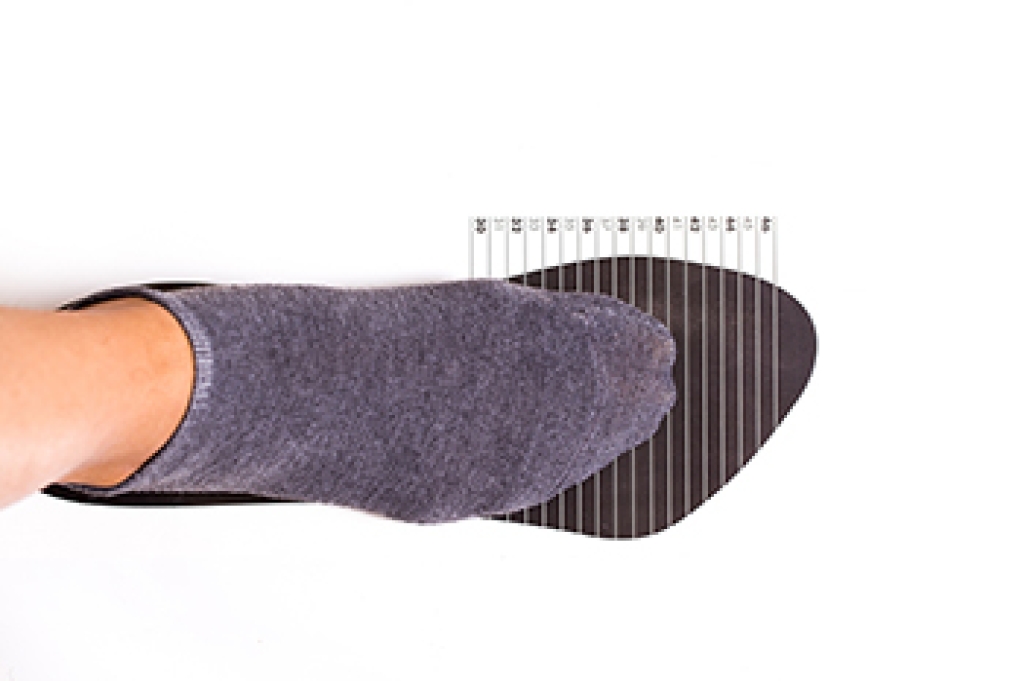
It is believed that many foot problems are caused by wearing the wrong kind of shoe. Here are some things you can do to help keep your feet healthy by choosing the right kind of shoe for your individual foot. Start by outlining your feet on a piece of paper and bringing that with you when you are buying shoes. Go in the afternoon or evening, after your foot has had a chance to expand throughout the day. When you get to the store, have your foot measured or do it yourself. Be sure to stand up to make sure each foot is measured accurately. If your feet vary in size, choose the larger size. Look for shoes that have good arch support, no rough inner seams, at least 1/2” of space between your longest toe and the tip of the shoe, and a structured back to hug your heel. When you find a shoe you are interested in, check to see if it matches your foot shape before you try it on. Place the shoe on top of the outline you brought: if it covers the outline completely, that means it might be a good match. Try the shoe on and walk around to make sure nothing pinches or rubs your foot. For additional tips on finding shoes that are right for your feet, consult with a podiatrist.

Finding a properly-fitting shoe is important in reducing injuries and preventing foot problems. For more information about treatment, contact our podiatrists from Superior Foot & Ankle Center. Our doctors will treat your foot and ankle needs.

Proper Shoe Fitting

A common concern when it comes to foot health, having properly fitted shoes can help prevent injuries to the foot. Out feet affect our posture and gait, which in turn affects the biomechanics and overall bodily structure. With 33 joints, 26 bones, and over 100 ligaments, the potential for serious injury is much greater than one realizes. Although the feet cease growth in adulthood, they still change shape as they mature. Here are some factors to consider when it comes to investing in proper fitting shoes:

  • Be sure the shoes fit correctly right away
  • Ensure the ball of your foot fits comfortably in the widest portion of the shoes
  • Even though they may look fashionable, improper fitting shoes can either create adverse conditions or exacerbate existing ones you may already have
  • Walk along a carpeted surface to ensure the shoes comfortably fit during normal activity

Keeping in mind how shoes fit the biomechanics of your body, properly-fitting shoes are vitally important. Fortunately, it is not difficult to acquire footwear that fits correctly. Be sure to wear shoes that support the overall structure of your body. Do your feet a favor and invest in several pairs of well-fitted shoes today.

If you have any questions please feel free to contact our office located in Long Beach, CA . We offer the newest diagnostic and treatment technologies for all your foot and ankle needs.

Read more about Proper Shoe Fitting

Causes and Symptoms of Diabetic Neuropathy

There are three kinds of diabetic neuropathy, caused by prolonged high blood sugar levels that can damage nerves throughout your body. Peripheral neuropathy damages nerves on the extremity – arms and hands, as well as the legs and feet. This can lead to serious foot problems that get worse slowly over months, and possibly years. Autonomic neuropathy affects the central nervous system, while focal neuropathy targets one particular nerve, usually in the wrist, thigh or foot. One of the main symptoms of diabetic neuropathy is the absence of feeling in the toes and feet. This can be a cause for concern, as sores  or other injuries may go unnoticed. It’s a good idea to check your feet daily for areas that may cause problems. Unfortunately, it is often the case that they go unnoticed until the problem worsens. The main way to prevent this condition from developing in the first place is to monitor blood sugar levels every day. It’s also a good idea to maintain a healthy body weight, eat nutritious foods, and avoid alcoholic beverages. If you think you may have diabetic neuropathy, it’s a good idea to make an appointment with a podiatrist who can conduct a screening and determine the best course of treatment for your foot health.

Neuropathy

Neuropathy can be a potentially serious condition, especially if it is left undiagnosed. If you have any concerns that you may be experiencing nerve loss in your feet, consult with our podiatrists from Superior Foot & Ankle Center. Our doctors will assess your condition and provide you with quality foot and ankle treatment for neuropathy.

What Is Neuropathy?

Neuropathy is a condition that leads to damage to the nerves in the body. Peripheral neuropathy, or neuropathy that affects your peripheral nervous system, usually occurs in the feet. Neuropathy can be triggered by a number of different causes. Such causes include diabetes, infections, cancers, disorders, and toxic substances.

Symptoms of Neuropathy Include:

  • Numbness
  • Sensation loss
  • Prickling and tingling sensations
  • Throbbing, freezing, burning pains
  • Muscle weakness

Those with diabetes are at serious risk due to being unable to feel an ulcer on their feet. Diabetics usually also suffer from poor blood circulation. This can lead to the wound not healing, infections occurring, and the limb may have to be amputated.

Treatment

To treat neuropathy in the foot, podiatrists will first diagnose the cause of the neuropathy. Figuring out the underlying cause of the neuropathy will allow the podiatrist to prescribe the best treatment, whether it be caused by diabetes, toxic substance exposure, infection, etc. If the nerve has not died, then it’s possible that sensation may be able to return to the foot.

Pain medication may be issued for pain. Electrical nerve stimulation can be used to stimulate nerves. If the neuropathy is caused from pressure on the nerves, then surgery may be necessary.

If you have any questions, please feel free to contact our office located in Long Beach, CA . We offer the newest diagnostic and treatment technologies for all your foot care needs.

Read more about Neuropathy

Let the Expert Treat Your Ingrown Toenails

Ingrown toenails can be painful and can make wearing shoes or walking uncomfortable. Seek professional help if you believe you've developed an ingrown toenail and be treated safely. 

What You Need to Know About Broken Toes

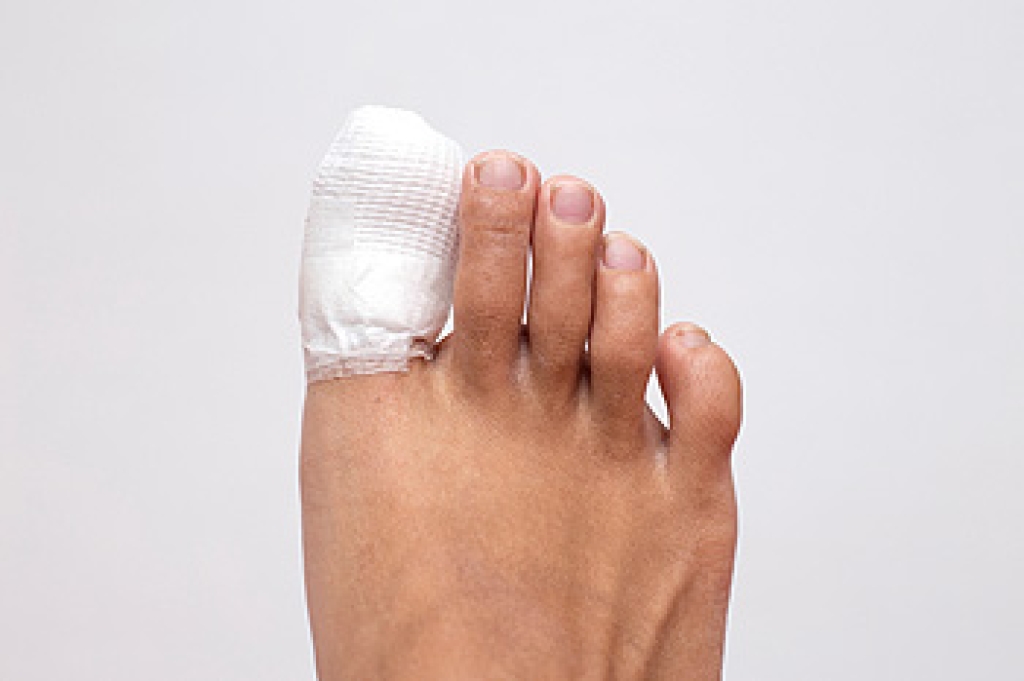
Broken toes often result from trauma. They may occur from dropping something directly on the toes, stubbing a toe, or bending them the wrong way. Toes can also break due to a stress fracture after a sudden increase in activity. The common indications of a broken toe include a snapping or popping sound at the time of the injury, swelling, bruising, and pain that becomes worse when the toe is moved. Patients who notice these symptoms may have a broken toe and would be wise to see a podiatrist who can assess the injury. A podiatrist will need to take an x-ray, and if a broken toe is confirmed, they can determine the best course for treatment. Depending on the nature of the break, the toe can be “buddy-taped” to the uninjured toe next to it, placed in a cast, or in severe cases surgery may be required.

A broken toe can be very painful and lead to complications if not properly fixed. If you have any concerns about your feet, contact our podiatrists from Superior Foot & Ankle Center. Our doctors will treat your foot and ankle needs.

What to Know About a Broken Toe

Although most people try to avoid foot trauma such as banging, stubbing, or dropping heavy objects on their feet, the unfortunate fact is that it is a common occurrence. Given the fact that toes are positioned in front of the feet, they typically sustain the brunt of such trauma. When trauma occurs to a toe, the result can be a painful break (fracture).

Symptoms of a Broken Toe

  • Throbbing pain
  • Swelling
  • Bruising on the skin and toenail
  • The inability to move the toe
  • Toe appears crooked or disfigured
  • Tingling or numbness in the toe

Generally, it is best to stay off of the injured toe with the affected foot elevated.

Severe toe fractures may be treated with a splint, cast, and in some cases, minor surgery. Due to its position and the pressure it endures with daily activity, future complications can occur if the big toe is not properly treated.

If you have any questions please feel free to contact our office located in Long Beach, CA . We offer the newest diagnostic and treatment technologies for all your foot and ankle needs.

Read more about What to Know About a Broken Toe

Connect With Us