Constant care and regular evaluation are important for a foot or ankle fracture. If left untreated, foot or ankle fractures can worsen over time and create more serious problems.
Don't wait to be examined if you believe you've experienced a foot or ankle fracture.
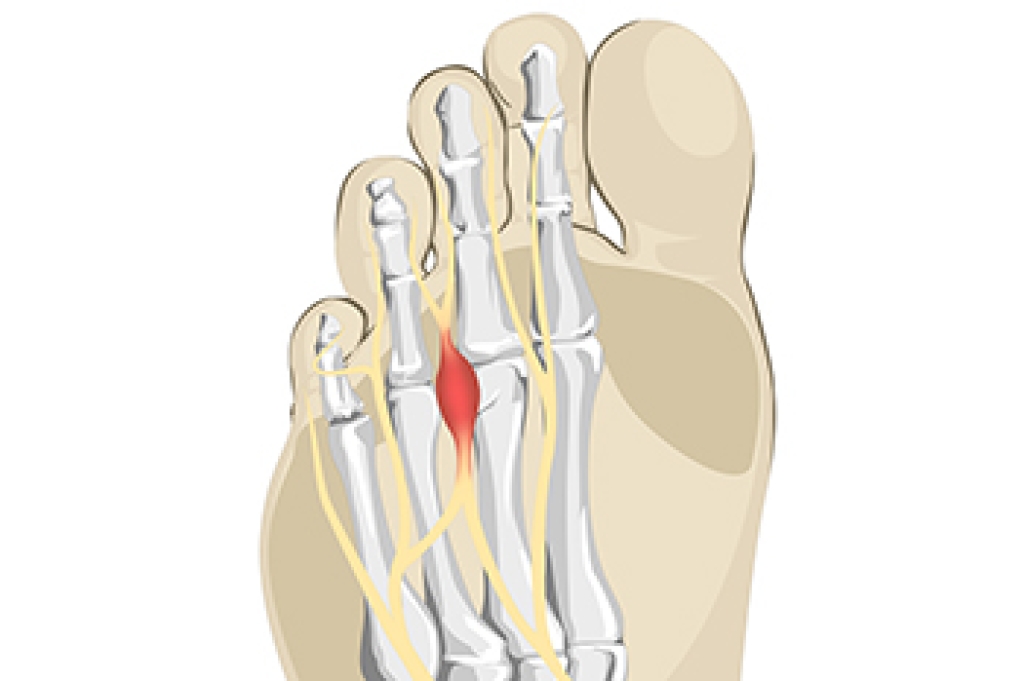
Morton's neuroma, a nerve disorder affecting the feet, brings forth a unique set of symptoms that can disrupt daily life. Characterized by the thickening of tissues around a nerve leading to the toes, this condition commonly presents as a sharp, burning pain in the ball of the foot. Individuals with Morton's neuroma may feel as if they are standing on a pebble or a fold in their sock. This discomfort often radiates into the toes, causing tingling or numbness. The pain tends to worsen with prolonged weight-bearing activities, such as walking or standing. Wearing tight shoes exacerbates symptoms, making proper footwear selection vital for those affected. It is not uncommon for individuals with Morton's neuroma to experience a feeling of relief when they remove their shoes. If you have one or more of the above symptoms, it is suggested that you speak with a podiatrist who can accurately diagnose and treat Morton’s neuroma.
Morton’s neuroma is a very uncomfortable condition to live with. If you think you have Morton’s neuroma, contact our podiatrists of Superior Foot & Ankle Center. Our doctors will attend to all of your foot care needs and answer any of your related questions.
Morton’s Neuroma
Morton's neuroma is a painful foot condition that commonly affects the areas between the second and third or third and fourth toe, although other areas of the foot are also susceptible. Morton’s neuroma is caused by an inflamed nerve in the foot that is being squeezed and aggravated by surrounding bones.
What Increases the Chances of Having Morton’s Neuroma?
Ill-fitting high heels or shoes that add pressure to the toe or foot
Jogging, running or any sport that involves constant impact to the foot
Flat feet, bunions, and any other foot deformities
Morton’s neuroma is a very treatable condition. Orthotics and shoe inserts can often be used to alleviate the pain on the forefront of the feet. In more severe cases, corticosteroids can also be prescribed. In order to figure out the best treatment for your neuroma, it’s recommended to seek the care of a podiatrist who can diagnose your condition and provide different treatment options.
If you have any questions, please feel free to contact our office located in Long Beach, CA. We offer the newest diagnostic and treatment technologies for all your foot care needs.
Hyperhidrosis is characterized by excessive sweating at any time. The two main types are primary focal hyperhidrosis and secondary generalized hyperhidrosis. Distinguishing them is vital for proper care. Primary focal hyperhidrosis often starts in childhood and is possibly linked to genetics. It results in localized sweating in areas like the feet. Regardless of activity or temperature, excessive sweating occurs, impacting daily life and possibly causing skin issues. Secondary generalized hyperhidrosis is typically diagnosed later in life and may relate to other health conditions or medications. Sweating affects the entire body, including night sweats, unrelated to exercise or anxiety. Complications of hyperhidrosis can include social and emotional challenges, such as embarrassment, social isolation, and anxiety. Psychological impacts affect confidence, work performance, and relationships. Skin related issues like maceration and fungal infections are common due to continuous moisture. If you or your child suffers from hyperhidrosis of the feet, it is suggested that you schedule an appointment with a podiatrist for a diagnosis so that appropriate treatment can be administered, and possible complications can be avoided.
If you are suffering from hyperhidrosis contact our podiatrists of Superior Foot & Ankle Center. Our doctors can provide the care you need to attend to all of your foot and ankle needs.
Hyperhidrosis of the Feet
Hyperhidrosis is a rare disorder that can cause people to have excessive sweating of their feet. This can usually occur all on its own without rigorous activity involved. People who suffer from hyperhidrosis may also experience sweaty palms.
Although it is said that sweating is a healthy process meant to cool down the body temperature and to maintain a proper internal temperature, hyperhidrosis may prove to be a huge hindrance on a person’s everyday life.
Plantar hyperhidrosis is considered to be the main form of hyperhidrosis. Secondary hyperhidrosis can refer to sweating that occurs in areas other than the feet or hands and armpits. Often this may be a sign of it being related to another medical condition such as menopause, hyperthyroidism and even Parkinson’s disease.
In order to alleviate this condition, it is important to see your doctor so that they may prescribe the necessary medications so that you can begin to live a normal life again. If this is left untreated, it is said that it will persist throughout an individual’s life.
A last resort approach would be surgery, but it is best to speak with your doctor to find out what may be the best treatment for you.
If you have any questions, please feel free to contact our office located in Long Beach, CA. We offer the newest diagnostic and treatment technologies for all your foot care needs.
Choosing the right walking shoes is essential for ensuring a comfortable and enjoyable walking experience. To find the perfect pair of walking shoes, start by determining where you plan to walk, whether it involves avid treks or easy strolls with your dogs on a short woodland path. Prioritize comfort, looking for shoes with a cushioned heel collar, insole, and midsole to maximize comfort during every step. Additionally, opt for shoes that provide flexibility, allowing your toes to move naturally and ensuring a smooth and steady walking motion. Consider the materials used in the shoes. Synthetic materials, often lighter in weight, provide durability without compromising performance during long walks. If you have wide feet, choose shoes with a larger toe box to prevent discomfort and allow ample room for natural toe movement. Check for sufficient arch support in the midsole to protect and support your feet during walks. Choose lightweight shoes to avoid fatigue and enhance endurance during long walks. Lastly, evaluate whether you need waterproof materials based on expected weather conditions. If you need help in navigating the various factors involved in selecting the right walking shoe, it is suggested that you schedule an appointment with a podiatrist for a gait analysis, foot exam, and expert advice.
It is important to find shoes that fit you properly in order to avoid a variety of different foot problems. For more information about treatment, contact our podiatrists from Superior Foot & Ankle Center. Our doctors will treat your foot and ankle needs.
Proper Shoe Fitting
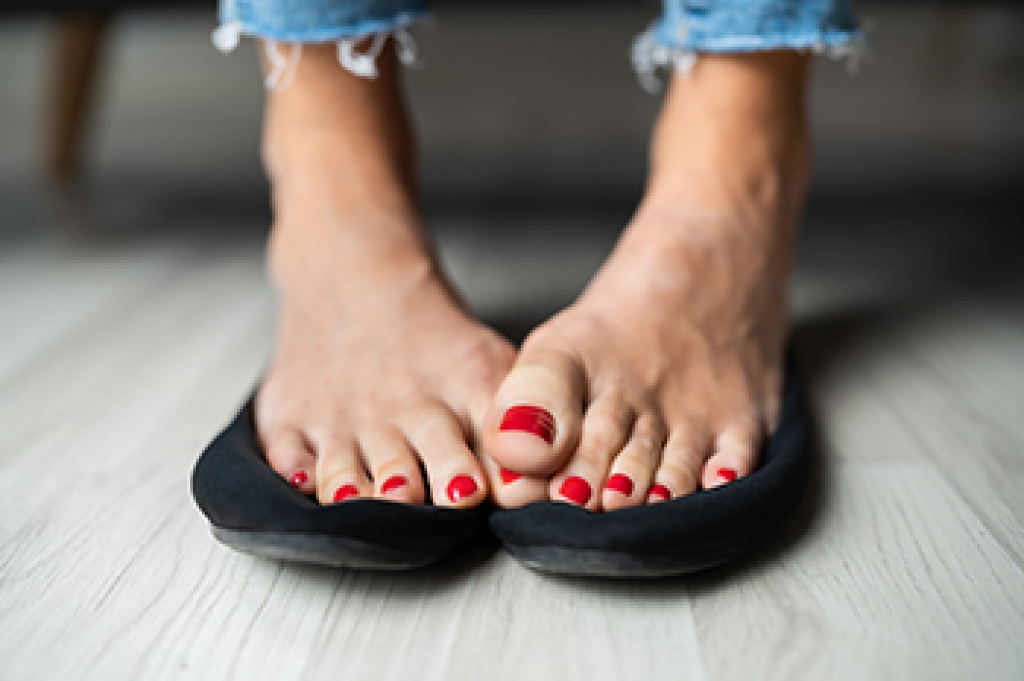
Shoes have many different functions. They cushion our body weight, protect our feet, and allow us to safely play sports. You should always make sure that the shoes you wear fit you properly in order to avoid injuries and deformities such as: bunions, corns, calluses, hammertoes, plantar fasciitis, stress fractures, and more. It is important to note that although a certain pair of shoes might be a great fit for someone else, that doesn’t mean they will be a great fit for you. This is why you should always try on shoes before buying them to make sure they are worth the investment. Typically, shoes need to be replaced ever six months to one year of regular use.
Tips for Proper Shoe Fitting
Select a shoe that is shaped like your foot
Don’t buy shoes that fit too tight, expecting them to stretch to fit
Make sure there is enough space (3/8” to ½”) for your longest toe at the end of each shoe when you are standing up
Walk in the shoes to make sure they fit and feel right
Don’t select shoes by the size marked inside the shoe, but by how the shoe fits your foot
The shoes you buy should always feel as good as they look. Shoes that fit properly will last longer, feel better, and improve your way of life each day.
If you have any questions please contact our office located in Long Beach, CA. We offer the newest diagnostic and treatment technologies for all your foot and ankle needs.
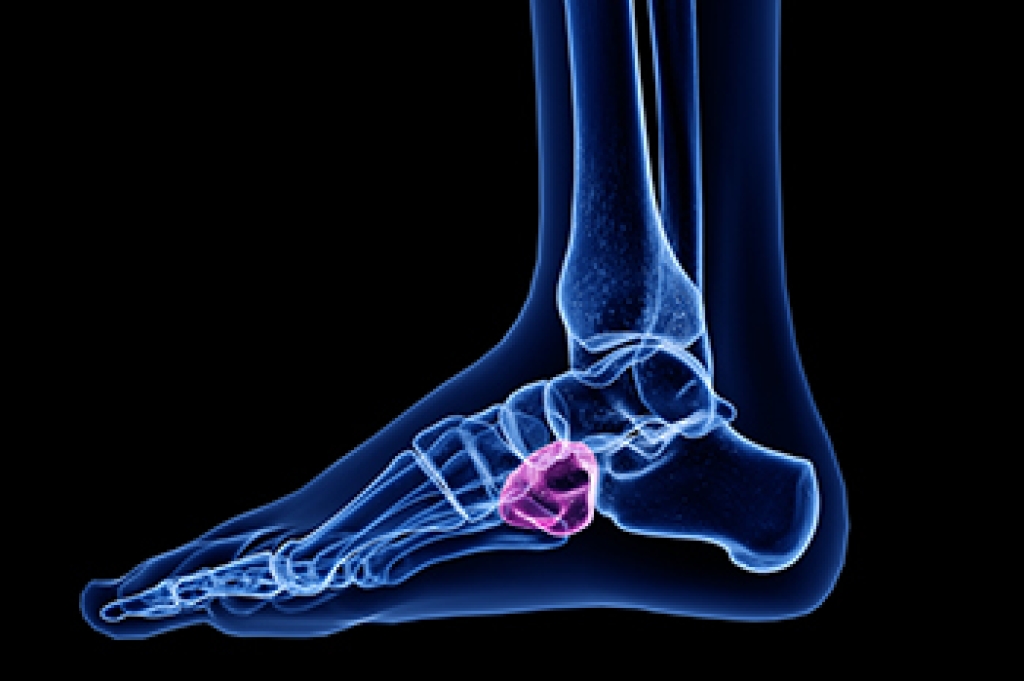
Cuboid syndrome, a relatively lesser known foot ailment, involves the dislocation or subluxation of the cuboid bone, which is one of the seven tarsal bones in the foot. This condition typically occurs when there is excessive stress on the foot, often stemming from activities that involve repeated impact or sudden twisting motions. Participating in high impact sports, wearing improper footwear, or sudden changes in activity levels can contribute to the misalignment of the cuboid bone. The cuboid bone sits on the outer side of the foot, forming a vital connection between the foot and the ankle. When it shifts out of its normal position, it can cause pain and discomfort along the outer edge of the foot, accompanied by swelling and limited range of motion. Recognizing the definition and understanding the causes of cuboid syndrome is essential for prompt diagnosis and appropriate management that can restore normal foot function. If you have pain in this area of your foot, it is suggested that you contact a podiatrist who can accurately diagnose whether it is cuboid syndrome and offer appropriate treatment techniques.
Cuboid syndrome, also known as cuboid subluxation, occurs when the joints and ligaments near the cuboid bone in the foot become torn. If you have cuboid syndrome, consult with our podiatrists from Superior Foot & Ankle Center. Our doctors will assess your condition and provide you with quality foot and ankle treatment.
Cuboid syndrome is a common cause of lateral foot pain, which is pain on the outside of the foot. The condition may happen suddenly due to an ankle sprain, or it may develop slowly overtime from repetitive tension through the bone and surrounding structures.
Causes
The most common causes of cuboid syndrome include:
Injury – The most common cause of this ailment is an ankle sprain.
Repetitive Strain – Tension placed through the peroneus longus muscle from repetitive activities such as jumping and running may cause excessive traction on the bone causing it to sublux.
Altered Foot Biomechanics – Most people suffering from cuboid subluxation have flat feet.
Symptoms
A common symptom of cuboid syndrome is pain along the outside of the foot which can be felt in the ankle and toes. This pain may create walking difficulties and may cause those with the condition to walk with a limp.
Diagnosis
Diagnosis of cuboid syndrome is often difficult, and it is often misdiagnosed. X-rays, MRIs and CT scans often fail to properly show the cuboid subluxation. Although there isn’t a specific test used to diagnose cuboid syndrome, your podiatrist will usually check if pain is felt while pressing firmly on the cuboid bone of your foot.
Treatment
Just as the range of causes varies widely, so do treatments. Some more common treatments are ice therapy, rest, exercise, taping, and orthotics.
If you have any questions, please feel free to contact our office located in Long Beach, CA. We offer the newest diagnostic and treatment technologies for all your foot care needs.