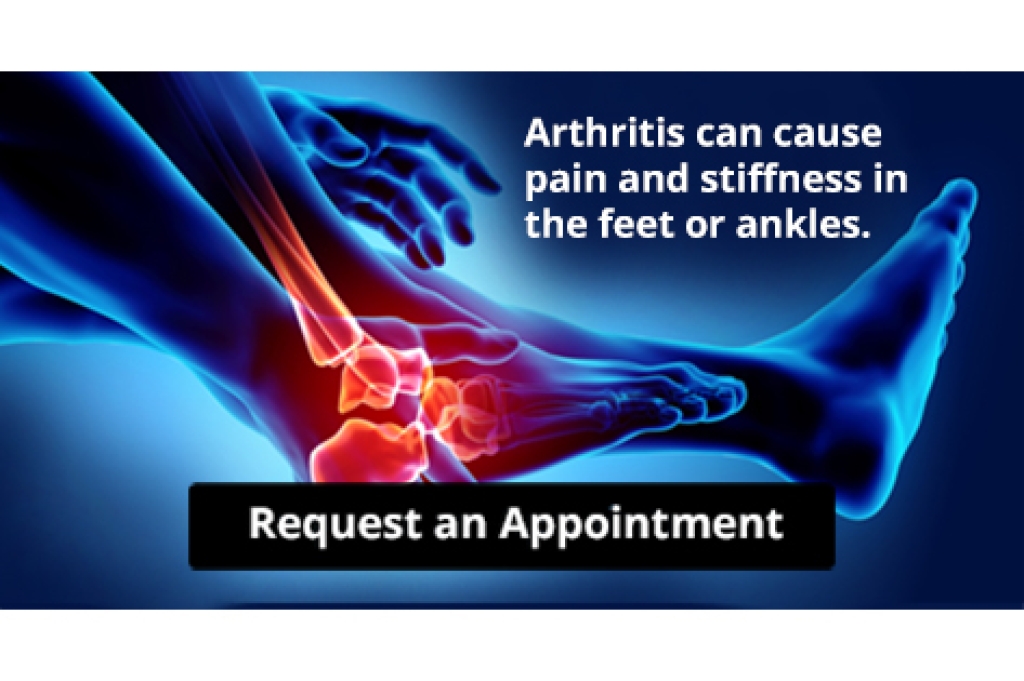
If you are suffering from tenderness, pain, or stiffness in the joints of your feet or ankles, call us to schedule an appointment.
If you are suffering from tenderness, pain, or stiffness in the joints of your feet or ankles, call us to schedule an appointment.
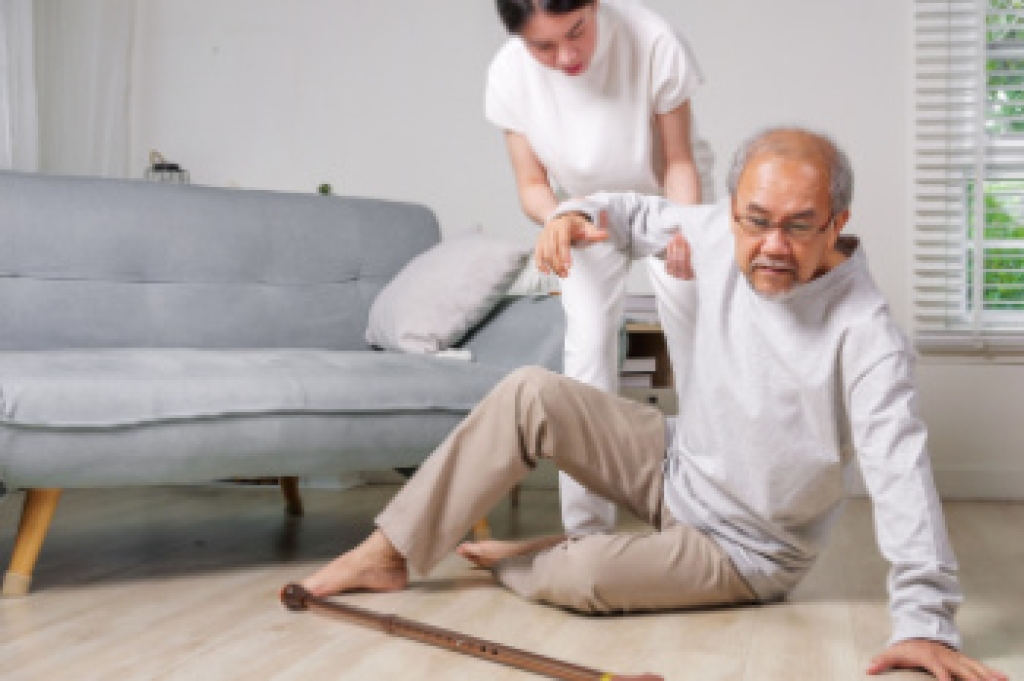
Falls can be caused by various factors such as slippery surfaces, poor lighting, and obstacles like loose rugs. Medical conditions, such as dizziness or visual impairments, as well as certain medications, can also increase fall risk. Effective fall prevention involves the 4Ps, which are pain, position, placement, and personal needs. Pain management is essential, as discomfort can affect balance and mobility. Positioning oneself carefully, especially when standing up or moving, helps maintain stability. Proper placement of furniture and other items ensures that pathways are clear and safe. Finally, addressing personal needs such as regular exercise to strengthen muscles and managing health conditions can further reduce the risk of falls. Falling can seriously impact the feet. If you have fallen and have foot pain, it is suggested that you visit a podiatrist who can offer you effective relief and treatment solutions.
Preventing falls among the elderly is very important. If you are older and have fallen or fear that you are prone to falling, consult with our podiatrists from Superior Foot & Ankle Center. Our doctors will assess your condition and provide you with quality advice and care.
Every 11 seconds, an elderly American is being treated in an emergency room for a fall related injury. Falls are the leading cause of head and hip injuries for those 65 and older. Due to decreases in strength, balance, senses, and lack of awareness, elderly persons are very susceptible to falling. Thankfully, there are a number of things older persons can do to prevent falls.
How to Prevent Falls
Some effective methods that older persons can do to prevent falls include:
Falling can be a traumatic and embarrassing experience for elderly persons; this can make them less willing to leave the house, and less willing to talk to someone about their fears of falling. Doing such things, however, will increase the likelihood of tripping or losing one’s balance. Knowing the causes of falling and how to prevent them is the best way to mitigate the risk of serious injury.
If you have any questions, please feel free to contact our office located in Long Beach, CA . We offer the newest diagnostic and treatment technologies for all your foot care needs.
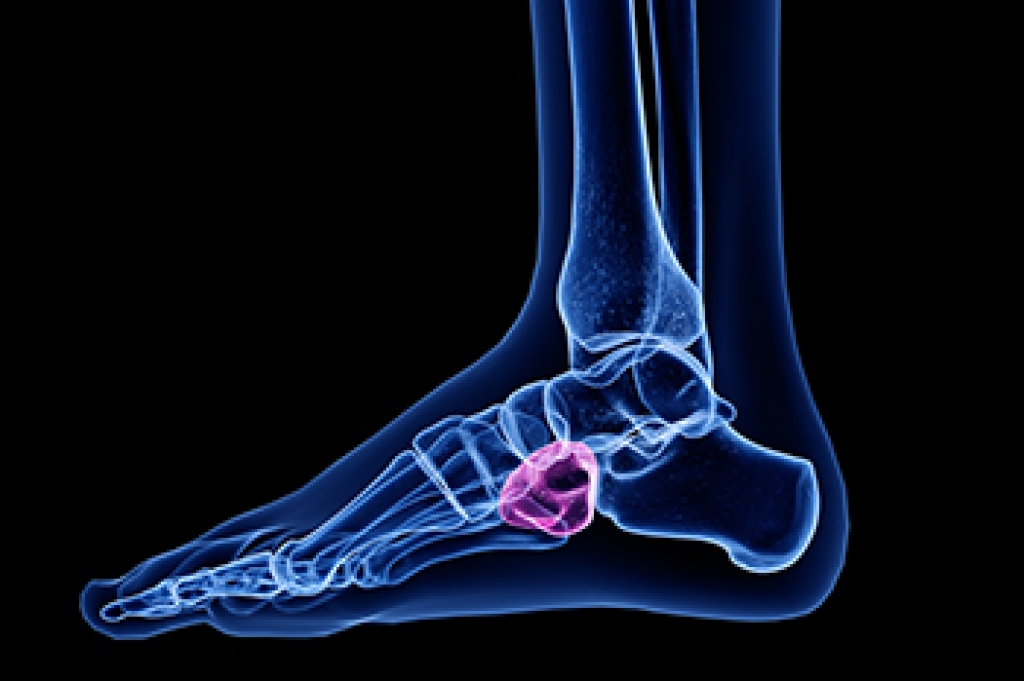
Cuboid syndrome is a condition where the cuboid bone, located on the outer side of the foot, becomes misaligned, causing pain and difficulty in movement. This syndrome often results from repetitive stress or trauma, leading to discomfort and instability in the foot. The cuboid whip is a manual therapy technique used to address this issue. During the procedure, a podiatrist applies a specific, quick, and controlled thrust to the cuboid bone, aiming to realign it and restore proper foot function. This adjustment can help to alleviate pain, improve mobility, and address any associated discomfort. If you have pain in this part of your foot, it is suggested that you contact a podiatrist who can accurately diagnose if it is cuboid syndrome, and treat it accordingly.
Cuboid syndrome, also known as cuboid subluxation, occurs when the joints and ligaments near the cuboid bone in the foot become torn. If you have cuboid syndrome, consult with our podiatrists from Superior Foot & Ankle Center. Our doctors will assess your condition and provide you with quality foot and ankle treatment.
Cuboid syndrome is a common cause of lateral foot pain, which is pain on the outside of the foot. The condition may happen suddenly due to an ankle sprain, or it may develop slowly overtime from repetitive tension through the bone and surrounding structures.
Causes
The most common causes of cuboid syndrome include:
Symptoms
A common symptom of cuboid syndrome is pain along the outside of the foot which can be felt in the ankle and toes. This pain may create walking difficulties and may cause those with the condition to walk with a limp.
Diagnosis
Diagnosis of cuboid syndrome is often difficult, and it is often misdiagnosed. X-rays, MRIs and CT scans often fail to properly show the cuboid subluxation. Although there isn’t a specific test used to diagnose cuboid syndrome, your podiatrist will usually check if pain is felt while pressing firmly on the cuboid bone of your foot.
Treatment
Just as the range of causes varies widely, so do treatments. Some more common treatments are ice therapy, rest, exercise, taping, and orthotics.
If you have any questions, please feel free to contact our office located in Long Beach, CA . We offer the newest diagnostic and treatment technologies for all your foot care needs.
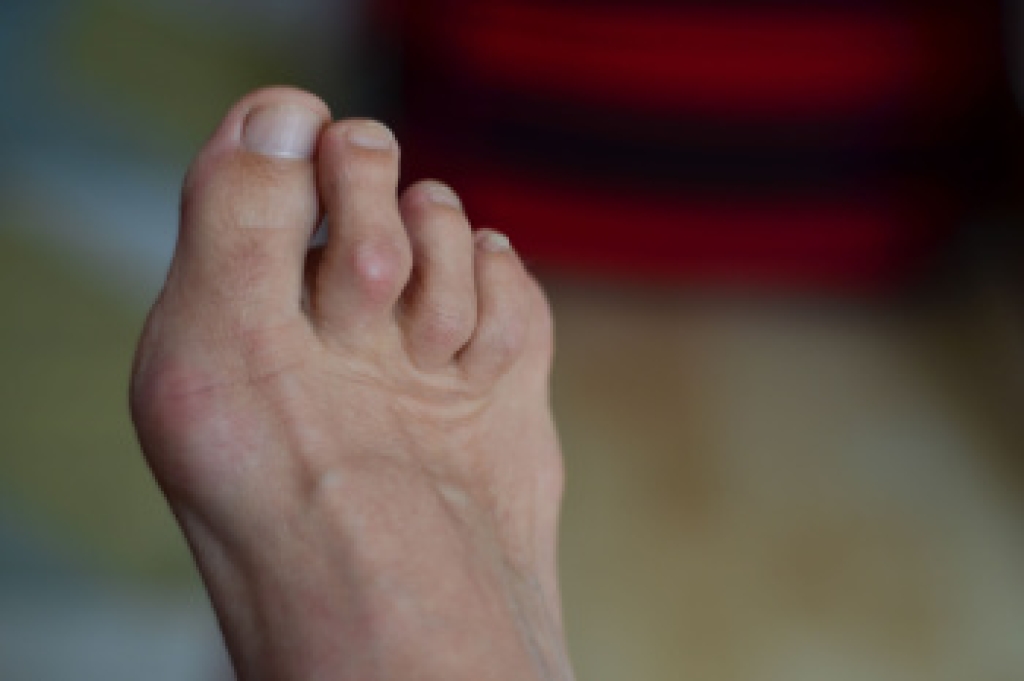
Hammertoes are a deformity where one or more smaller toes bend downward at the middle joint, creating a hammer-like appearance. This condition often results from an imbalance in the muscles and tendons that control toe movement, which can cause the toes to curl and become rigid. Common causes include wearing poorly fitting shoes that squeeze the toes or having a high foot arch that contributes to muscle imbalance. Risk factors also include genetic predisposition, conditions such as arthritis, and prolonged periods of standing or walking. Addressing hammertoes typically involves wearing well-fitting, supportive footwear, using orthotic devices, and performing exercises to stretch and strengthen the toes. In severe cases, surgery may be needed. If you notice signs of a hammertoe developing, it is suggested that you consult a podiatrist who can offer you effective treatment strategies.
Hammertoe
Hammertoes can be a painful condition to live with. For more information, contact our podiatrists from Superior Foot & Ankle Center. Our doctors will answer any of your foot- and ankle-related questions.
Hammertoe is a foot deformity that affects the joints of the second, third, fourth, or fifth toes of your feet. It is a painful foot condition in which these toes curl and arch up, which can often lead to pain when wearing footwear.
Symptoms
Causes
Genetics – People who are genetically predisposed to hammertoe are often more susceptible
Arthritis – Because arthritis affects the joints in your toes, further deformities stemming from arthritis can occur
Trauma – Direct trauma to the toes could potentially lead to hammertoe
Ill-fitting shoes – Undue pressure on the front of the toes from ill-fitting shoes can potentially lead to the development of hammertoe
Treatment
Orthotics – Custom made inserts can be used to help relieve pressure placed on the toes and therefore relieve some of the pain associated with it
Medications – Oral medications such as anti-inflammatories or NSAIDs could be used to treat the pain and inflammation hammertoes causes. Injections of corticosteroids are also sometimes used
Surgery – In more severe cases where the hammertoes have become more rigid, foot surgery is a potential option
If you have any questions, please feel free to contact our office located in Long Beach, CA . We offer the newest diagnostic and treatment technologies for all your foot care needs.
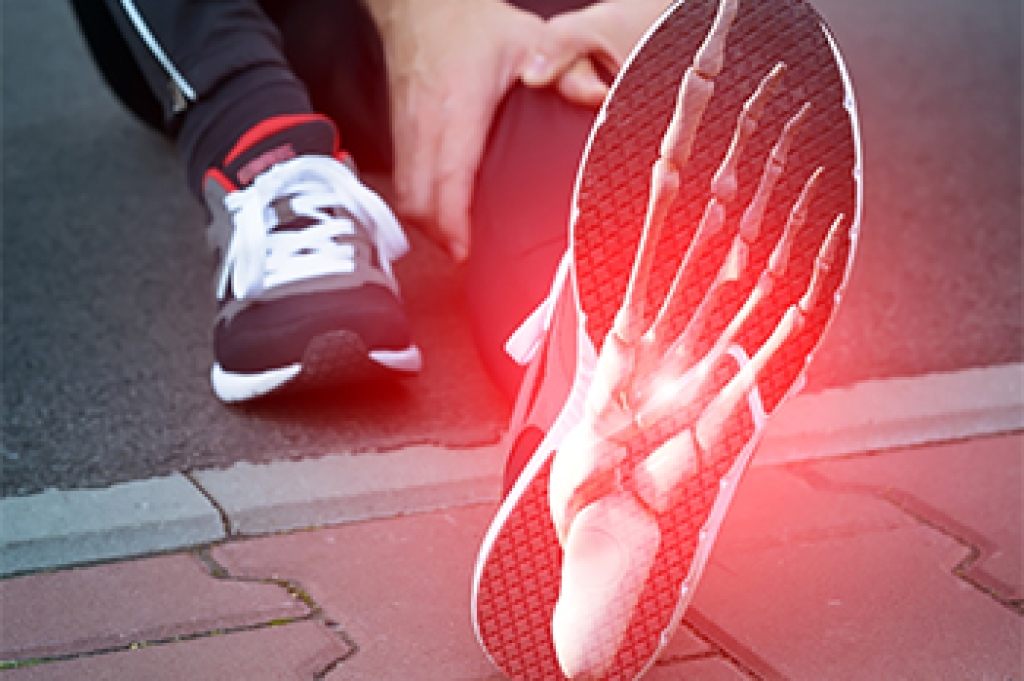
Running is a popular form of exercise that can lead to various foot and ankle injuries. Ankle sprains are common and occur when ligaments are stretched or torn due to sudden twists or turns. Achilles tendinopathy, characterized by pain and stiffness in the Achilles tendon, often results from overuse or improper training techniques. Additionally, plantar fasciitis causes pain in the heel and underside of the foot, typically due to inflammation of the plantar fascia from repetitive strain. These injuries can sideline runners, affect their performance, and require proper management for recovery. Prevention strategies include adequate warm-ups, gradual increases in training intensity, and wearing supportive footwear. If you have encountered a foot or ankle injury while running it is suggested that you contact a podiatrist who can diagnose and treat your condition.
Sports related foot and ankle injuries require proper treatment before players can go back to their regular routines. For more information, contact our podiatrists of Superior Foot & Ankle Center. Our doctors can provide the care you need to keep you pain-free and on your feet.
Sports Related Foot and Ankle Injuries
Foot and ankle injuries are a common occurrence when it comes to athletes of any sport. While many athletes dismiss the initial aches and pains, the truth is that ignoring potential foot and ankle injuries can lead to serious problems. As athletes continue to place pressure and strain the area further, a mild injury can turn into something as serious as a rupture and may lead to a permanent disability. There are many factors that contribute to sports related foot and ankle injuries, which include failure to warm up properly, not providing support or wearing bad footwear. Common injuries and conditions athletes face, including:
Sports related injuries are commonly treated using the RICE method. This includes rest, applying ice to the injured area, compression and elevating the ankle. More serious sprains and injuries may require surgery, which could include arthroscopic and reconstructive surgery. Rehabilitation and therapy may also be required in order to get any recovering athlete to become fully functional again. Any unusual aches and pains an athlete sustains must be evaluated by a licensed, reputable medical professional.
If you have any questions please contact our office located in Long Beach, CA . We offer the newest diagnostic and treatment technologies for all your foot and ankle needs.
Connect With Us
