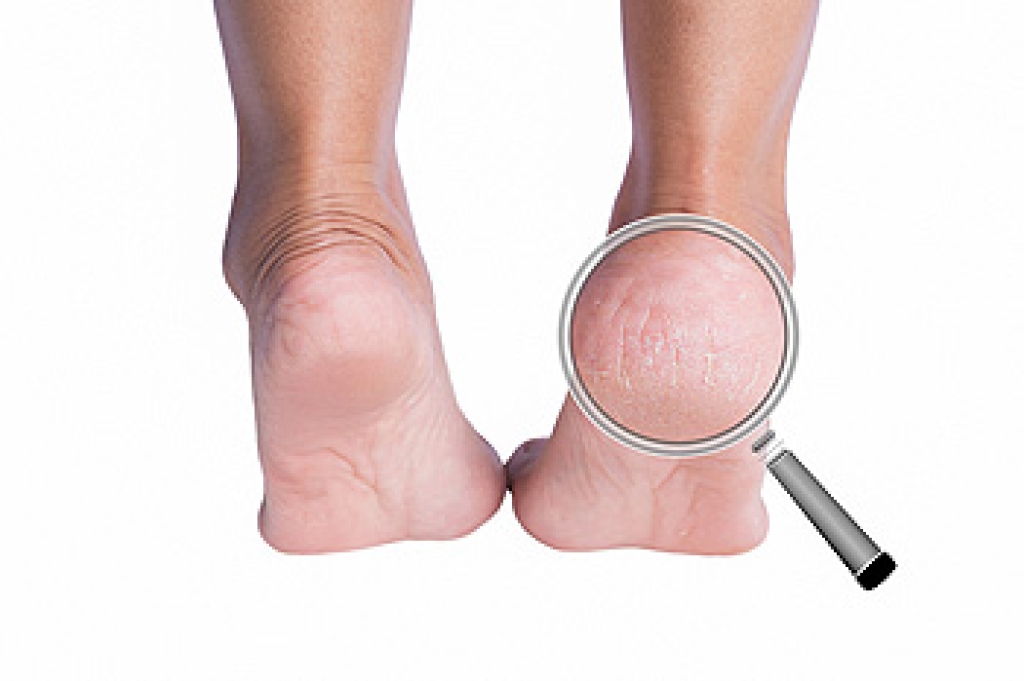
How Do Heel Fissures Differ From Cracked Heels?

Heel fissures are cracks or breaks in the skin of the heels and usually form from intense dryness and thickened skin. These cracks can be superficial or deep, and they may bleed or feel painful. Heel fissures may worsen and become infected or turn into skin ulcers, and it is important to treat them to prevent this from happening. There may be underlying conditions that can lead to heel fissures, which can include, but are not limited to, nutritional deficiencies that can cause the skin to lose moisture, and skin ailments that result in inflammation, itching and dryness. Additionally, cracked heels may happen as a result of wearing footwear that does not allow the feet to breathe. People who have diabetes are at risk for nerve damage to the feet, which is referred to as peripheral neuropathy. One of the several problems this can create can affect the nerves on the feet. Sweating may be reduced or stopped, possibly causing a dry environment for skin fissures to develop. If you are experiencing heel fissures, it is strongly suggested that you seek the care of a podiatrist who can determine what the cause is, and offer correct treatment methods. 

If the skin on your feet starts to crack, you may want to see a podiatrist to find treatment. If you have any concerns, contact our podiatrists from Superior Foot & Ankle Center. Our doctors can provide the care you need to keep you pain-free and on your feet.

Cracked Heels

It is important to moisturize your cracked heels in order to prevent pain, bleeding, and infection. The reason cracked heels form is because the skin on the foot is too dry to support the immense pressure placed on them. When the foot expands, the dry skin on the foot begins to split.

Ways to Help Heal Them

  • Invest in a good foot cream
  • Try Using Petroleum Jelly
  • Ease up on Soaps
  • Drink Plenty of Water

Ways to Prevent Cracked Heels

  • Moisturize After Showering
  • Skip a Shower
  • Keep Shower Water Lukewarm
  • Don’t Scrub Your Feet

If you are unsure how to proceed in treating cracked heels, seek guidance from a podiatrist. Your doctor will help you with any questions or information you may need. 

If you have any questions, please feel free to contact our office located in Long Beach, CA . We offer the newest diagnostic and treatment technologies for all your foot care needs.
Read more about Solutions for Cracked Heels

Hard and Soft Corns

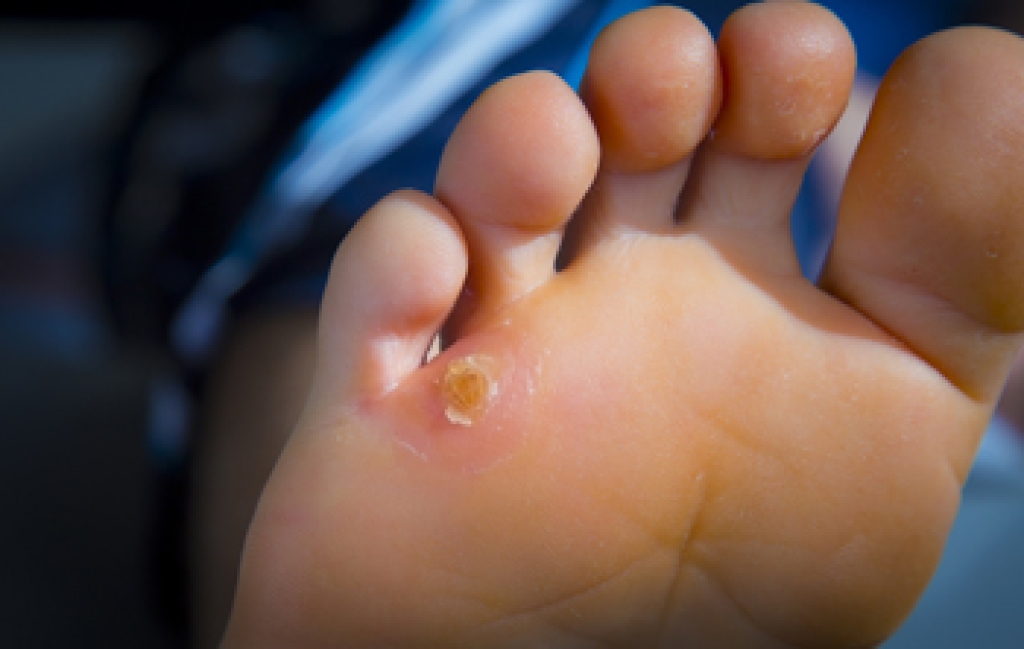
A corn on the foot can cause pain that can be so severe many people change their gait, or walking style, to compensate for their discomfort. A corn is a small area of hardened skin that forms on the side of the pinky toe, on top of the toes, or the bottom of the foot. It happens due to wearing shoes that do not fit correctly, and the constant motion of the toe rubbing against the shoe can cause that area to become red and uncomfortable. It naturally forms as a defense mechanism to protect the skin from further damage. Many people who wear high heels can develop corns and may choose to wear a protective pad on top of the corn. Relief may be found when larger shoes are worn and the pressure is relieved. Hard corns look white in appearance and can have a center to them. Soft corns can develop between the toes as a result of moisture that accumulates in that area. If you have developed a corn on your foot, it is suggested that you visit a podiatrist who can offer you effective prevention and relief techniques. 

Corns can make walking very painful and should be treated immediately. If you have questions regarding your feet and ankles, contact our podiatrists of Superior Foot & Ankle Center. Our doctors will treat your foot and ankle needs.

Corns: What Are They? And How Do You Get Rid of Them?
Corns are thickened areas on the skin that can become painful. They are caused by excessive pressure and friction on the skin. Corns press into the deeper layers of the skin and are usually round in shape.

Ways to Prevent Corns
There are many ways to get rid of painful corns such as:

  • Wearing properly fitting shoes that have been measured by a professional
  • Wearing shoes that are not sharply pointed or have high heels
  • Wearing only shoes that offer support

Treating Corns

Although most corns slowly disappear when the friction or pressure stops, this isn’t always the case. Consult with your podiatrist to determine the best treatment option for your case of corns.

If you have any questions please feel free to contact our office located in Long Beach, CA . We offer the newest diagnostic and treatment technologies for all your foot and ankle needs.

Read more about Everything You Need to Know About Corns

Who Is Prone to Getting Ankle Sprains?

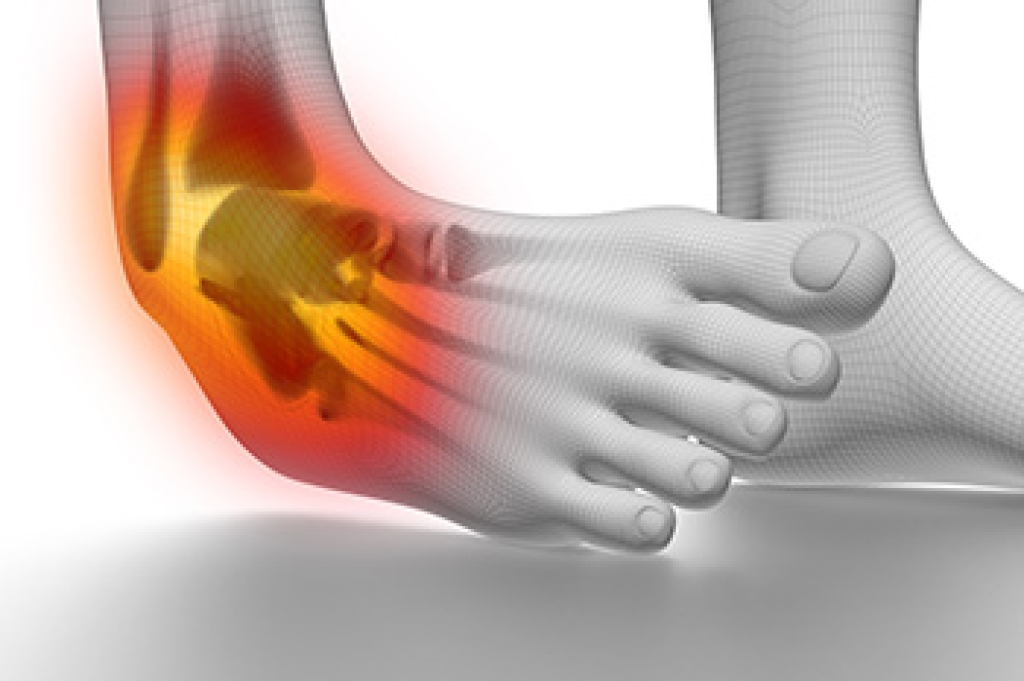
Many people who are active find they are prone to getting ankle sprains. These are defined as the ankle turning in or out beyond its normal range of motion, and can happen from suddenly twisting it. There are two types of ankle sprains that are common, which are known as inversion and eversion sprains. Studies have shown the likelihood of incurring an ankle sprain may be greater when it has been sprained before. An ankle that has healed from a sprain may be weaker, which may compromise walking. This may cause more weight to be put on the other ankle, and may become weaker. Performing ankle stretches is beneficial in strengthening the ankles which may help to prevent ankle sprains and regain a normal range of motion once it has healed. If you have sprained your ankle, it is suggested that you confer with a podiatrist who can help you with treatment and effective prevention techniques.

Although ankle sprains are common, they aren’t always minor injuries. If you need your ankle injury looked at, contact our podiatrists from Superior Foot & Ankle Center. Our doctors can provide the care you need to keep you pain-free and on your feet.

How Does an Ankle Sprain Occur?

Ankle sprains are the result of a tear in the ligaments within the ankle. These injuries may happen when you make a rapid shifting movement while your foot is planted. A less common way to sprain your ankle is when your ankle rolls inward while your foot turns outward.

What Are the Symptoms?

  • Pain at the sight of the tear
  • Bruising/Swelling
  • Ankle area is tender to touch
  • In severe cases, may hear/feel something tear
  • Skin discoloration

Preventing a Sprain

  • Wearing appropriate shoes for the occasion
  • Stretching before exercises and sports
  • Knowing your limits

Treatment of a Sprain

In many cases, the RICE method (Rest, Ice, Compression, and Elevate) is used to treat ankle sprains. However, you should see a podiatrist to see which treatment option would work best with your injury. In severe cases, surgery may be required.

It is important to ask your doctor about rehab options after you receive treatment for your injury. Stretching, strength training, and balance exercises may help the ankle heal while also preventing further injury.

If you have any questions, please feel free to contact our office located in Long Beach, CA . We offer the newest diagnostic and treatment technologies for all your foot care needs.
Read more about Three Grades of Ankle Sprains

Various Methods of Determining the Right Shoe Size

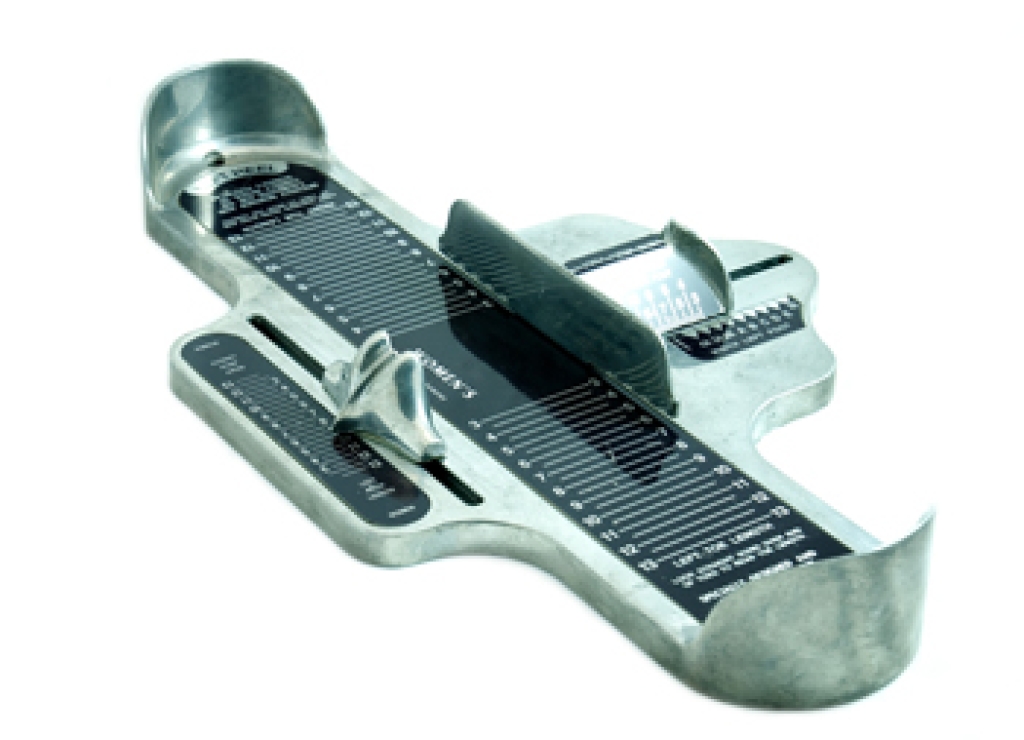
Whether people shop for shoes in stores or online, the importance of getting the right shoe size is crucial in protecting the feet. Blisters and bunions may develop while wearing shoes that are too tight, and a loss of balance may happen if shoes that are worn are too large. The majority of shoe stores have an effective tool that can accurately measure shoe sizes, and this is referred to as a Brannock device. People who would prefer to measure their feet at home can stand on a sheet of paper while wearing the socks that are normally worn. This is followed by tracing the length and width of the foot, and the right shoe size can be determined by using a conversion chart. When it is time to purchase shoes, it is beneficial to try them on and walk in them for several minutes in the store. This can help to determine if there is adequate room in the toe area. If you would like more information about how to get your right shoe size, it is suggested that you speak with a podiatrist who is an expert in matters of the feet.

Getting the right shoe size is an important part of proper foot health. Seek the assistance of our podiatrists from Superior Foot & Ankle Center. Our doctors will provide the care you need to keep you pain-free and on your feet.

Getting the Right Shoe Size

There are many people who wear shoes that are the incorrect size, negatively affecting their feet and posture. Selecting the right shoes is not a difficult process, so long as you keep several things in mind when it comes to choosing the right pair.

  • When visiting the shoe store, use the tools available to measure your foot.
  • Be sure there is ‘wiggle room’. There should be about an inch between your toes and the tip of your shoes.
  • Do not always assume you are the same size, as manufacturers run differently.
  • Purchase shoes later in the day, as your feet swell as the day progresses.
  • If a shoe is not comfortable, it is not suitable. Most shoes can’t be ‘broken in’, and comfort should be the ultimate goal when it comes to choosing the right pair of shoes

As our feet hold our body weight and keep us moving, it is important to treat them right. Picking the right pair of shoes can provide your feet comfort and mobility without pain.

If you have any questions, please feel free to contact our office located in Long Beach, CA . We offer the newest diagnostic and treatment technologies for all your foot care needs.

Read more about Getting the Right Shoe Size: To Keep Your Feet Happy

It's Time for Beautiful Feet

You don't need an excuse to have beautiful nails. Step outside without worrying about the appearance of your feet.

Connect With Us