
Your feet are covered most of the day. If you're diabetic, periodic screening is important for good health. Numbness is often a sign of diabetic foot and can mask a sore or wound.
Your feet are covered most of the day. If you're diabetic, periodic screening is important for good health. Numbness is often a sign of diabetic foot and can mask a sore or wound.
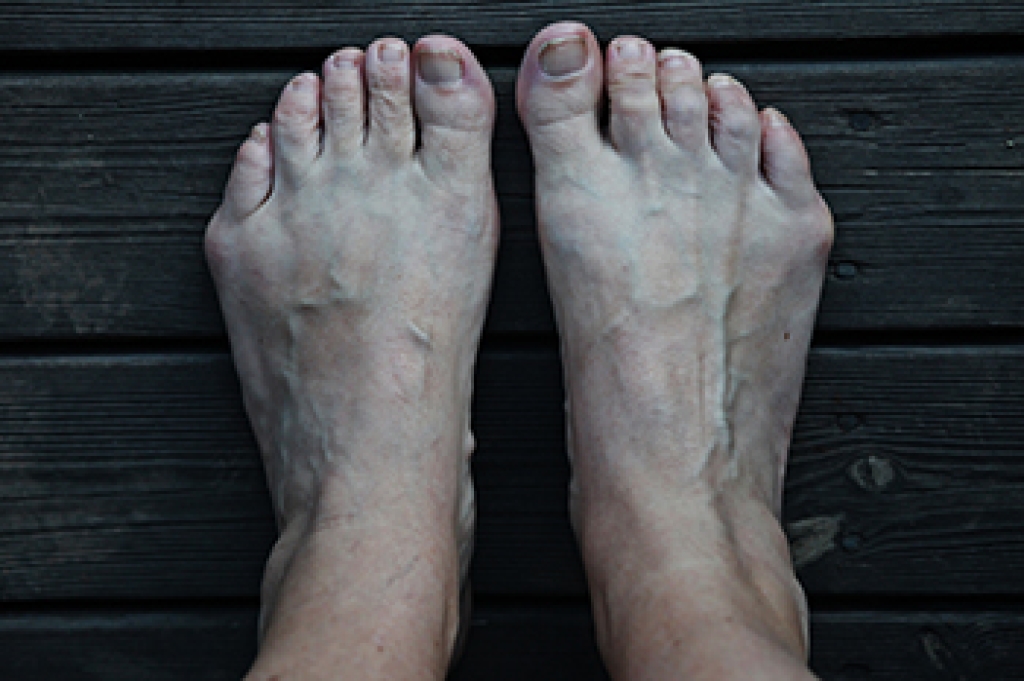
A tailor's bunion, also known as a bunionette, is a bony prominence that forms on the outside of the foot at the base of the little toe. This condition occurs when the fifth metatarsal bone shifts outward while the little toe moves inward, creating a painful bump. It is often caused by inherited foot structure, poor footwear choices, or abnormal foot mechanics. Symptoms may include redness, swelling, and discomfort when wearing shoes. Tailor's bunions can interfere with daily activities and limit footwear options. Treatment usually involves wearing wider shoes, and using padding or orthotics for support. In more severe cases, surgery may be necessary. If you have a tailor’s bunion, it is suggested that you confer with a podiatrist who can offer effective relief tips that can ease discomfort.
If you are suffering from bunions, contact our podiatrists of Superior Foot & Ankle Center. Our doctors can provide the care you need to keep you pain-free and on your feet.
What Is a Bunion?
A bunion is formed of swollen tissue or an enlargement of boney growth, usually located at the base joint of the toe that connects to the foot. The swelling occurs due to the bones in the big toe shifting inward, which impacts the other toes of the foot. This causes the area around the base of the big toe to become inflamed and painful.
Why Do Bunions Form?
Genetics – Susceptibility to bunions are often hereditary
Stress on the feet – Poorly fitted and uncomfortable footwear that places stress on feet, such as heels, can worsen existing bunions
How Are Bunions Diagnosed?
Podiatrists often perform two tests – blood tests and x-rays – when trying to diagnose bunions, especially in the early stages of development. Blood tests help determine if the foot pain is being caused by something else, such as arthritis, while x-rays provide a clear picture of your bone structure to your provider.
How Are Bunions Treated?
If you have any questions, please feel free to contact our office located in Long Beach, CA . We offer the newest diagnostic and treatment technologies for all your foot care needs.
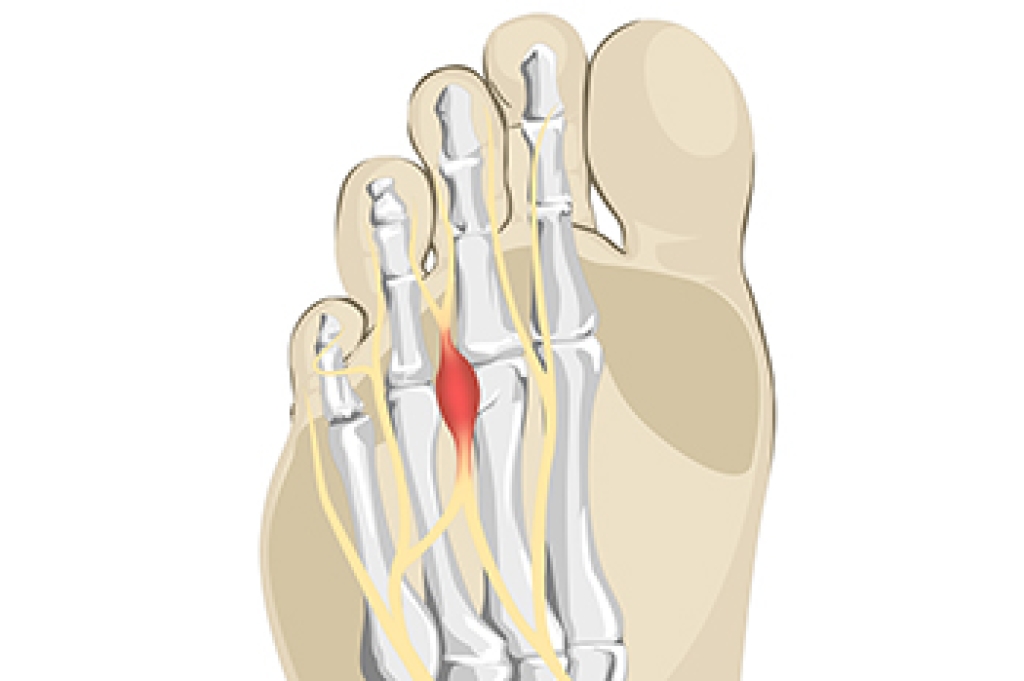
Morton’s neuroma is a painful condition that affects the ball of the foot, typically between the third and fourth toes. It occurs when the tissue surrounding a nerve thickens, often due to irritation or excessive pressure. This thickening compresses the nerve, causing sharp, burning pain, tingling, or the sensation of standing on a pebble. Symptoms may worsen with walking or wearing tight shoes. Morton’s neuroma can be diagnosed through a physical examination, during which a doctor may feel for a lump or listen for a clicking sound when squeezing the toes. Imaging tests like ultrasounds or MRI scans can help confirm the diagnosis. If you have pain in this part of your foot, it is suggested that you contact a podiatrist who can provide an accurate diagnosis and treatment.
Morton’s neuroma is a very uncomfortable condition to live with. If you think you have Morton’s neuroma, contact our podiatrists of Superior Foot & Ankle Center. Our doctors will attend to all of your foot care needs and answer any of your related questions.
Morton’s Neuroma
Morton's neuroma is a painful foot condition that commonly affects the areas between the second and third or third and fourth toe, although other areas of the foot are also susceptible. Morton’s neuroma is caused by an inflamed nerve in the foot that is being squeezed and aggravated by surrounding bones.
What Increases the Chances of Having Morton’s Neuroma?
Morton’s neuroma is a very treatable condition. Orthotics and shoe inserts can often be used to alleviate the pain on the forefront of the feet. In more severe cases, corticosteroids can also be prescribed. In order to figure out the best treatment for your neuroma, it’s recommended to seek the care of a podiatrist who can diagnose your condition and provide different treatment options.
If you have any questions, please feel free to contact our office located in Long Beach, CA . We offer the newest diagnostic and treatment technologies for all your foot care needs.

Diabetes can cause serious problems in the feet, even from small cuts or pressure points. High blood sugar affects blood flow and nerve health, which means injuries may go unnoticed and heal slowly. Common issues include dry skin, numbness, tingling, and sores that do not heal. Without proper care, these problems can lead to infection or more serious complications. Checking your feet daily, wearing well-fitting shoes, and keeping skin moisturized can help prevent trouble. Regular visits to a podiatrist are also important to catch problems early. Even if your feet feel fine, changes can happen quickly. If you have diabetes and notice redness, swelling, or a sore that is not getting better, it is suggested you see a podiatrist for appropriate treatment.
Diabetic foot care is important in preventing foot ailments such as ulcers. If you are suffering from diabetes or have any other concerns about your feet, contact our podiatrists from Superior Foot & Ankle Center. Our doctors can provide the care you need to keep you pain-free and on your feet.
Diabetic Foot Care
Diabetes affects millions of people every year. The condition can damage blood vessels in many parts of the body, especially the feet. Because of this, taking care of your feet is essential if you have diabetes, and having a podiatrist help monitor your foot health is highly recommended.
The Importance of Caring for Your Feet
Patients with diabetes should have their doctor monitor their blood levels, as blood sugar levels play such a huge role in diabetic care. Monitoring these levels on a regular basis is highly advised.
It is always best to inform your healthcare professional of any concerns you may have regarding your feet, especially for diabetic patients. Early treatment and routine foot examinations are keys to maintaining proper health, especially because severe complications can arise if proper treatment is not applied.
If you have any questions, please feel free to contact our office located in Long Beach, CA . We offer the newest diagnostic and treatment technologies for all your foot care needs.
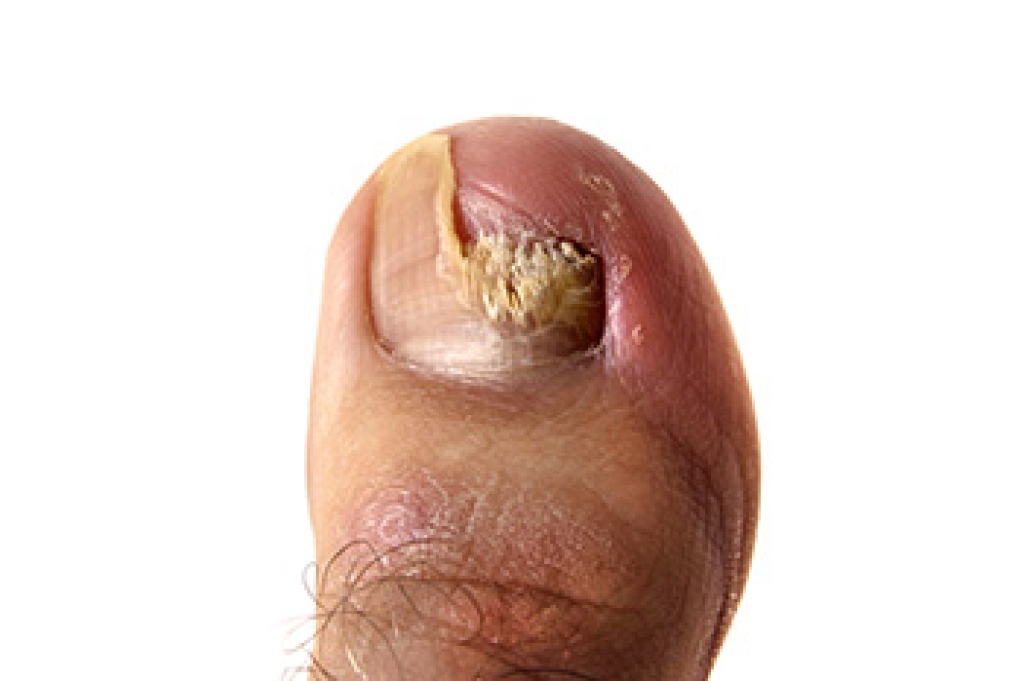
Fungal infections of the toenails can cause thickening, discoloration, and crumbling of the nail. While oral medications are sometimes used, many cases can be managed with topical or device-based treatments. Antifungal creams, gels, or medicated nail lacquers are applied directly to the nail and surrounding skin. These treatments work best when used consistently and in the early stages of infection. In addition to topical solutions, device-based options like laser therapy are becoming more common. Lasers target the fungus beneath the nail without damaging surrounding tissue, and are typically done in a podiatrist’s office. Another approach involves mechanical thinning or filing of the nail to help treatments penetrate deeper. Results can take several months, as toenails grow slowly. If you have a stubborn or worsening toenail infection, it is suggested that you see a podiatrist for a diagnosis and treatment that is right for you.
For more information about treatment, contact our podiatrists of Superior Foot & Ankle Center. Our doctors can provide the care you need to keep you pain-free and on your feet.
Toenail Fungus Treatment
Toenail fungus is a condition that affects many people and can be especially hard to get rid of. Fortunately, there are several methods to go about treating and avoiding it.
Antifungals & Deterrence
Oral antifungal medicine has been shown to be effective in many cases. It is important to consult with a podiatrist to determine the proper regiment for you, or potentially explore other options.
Applying foot powder on the feet and shoes helps keep the feet free of moisture and sweat.
Sandals or open toed shoes – Wearing these will allow air movement and help keep feet dry. They also expose your feet to light, which fungus cannot tolerate. Socks with moisture wicking material also help as well.
If you have any questions please contact our office located in Long Beach, CA . We offer the newest diagnostic and treatment technologies for all your foot and ankle needs.
Connect With Us
