What Can Cause Sesamoiditis?

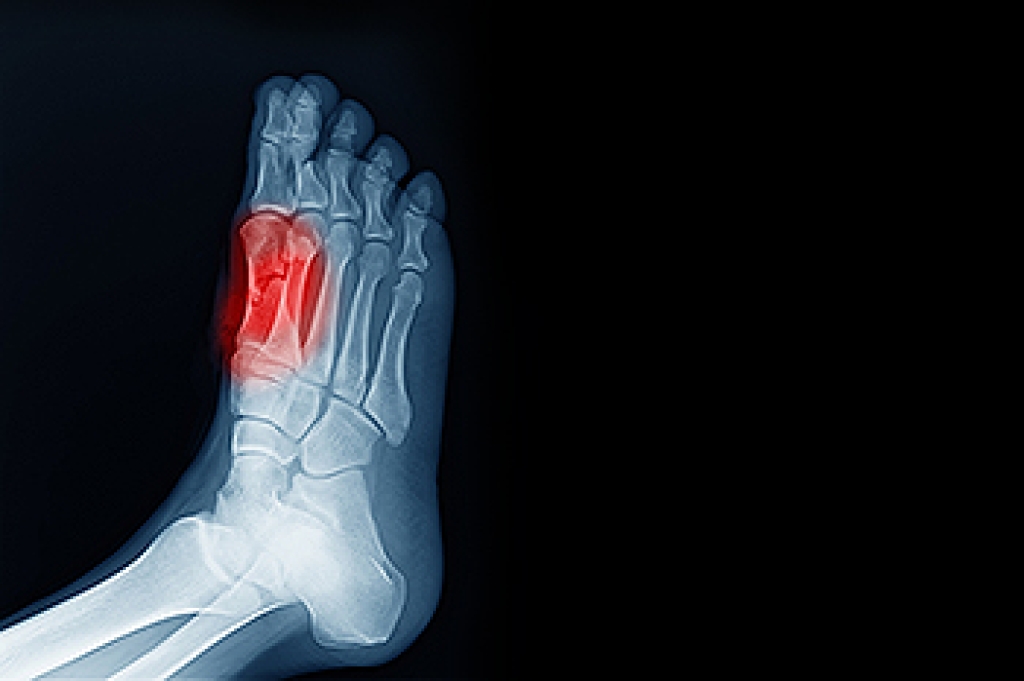
The group of bones that are under the bottom of the big toe include the sesamoid bones. They protect specific tendons in the foot, and absorb most of the weight on the inside of the foot. The condition that is known as sesamoiditis occurs when the sesamoid bones become inflamed. They can become injured as a result of enduring a stress fracture, or from an injury that comes from repetitive motion consisting of dancing. Many patients need to have a proper diagnosis performed, which includes having an X-ray taken that can rule out a fracture. Correct treatment techniques can possibly reduce painful symptoms, in addition to protecting the foot from further injury. These can consist of wearing orthotic insoles, taking anti-inflammatory medication, or possible surgery. If you feel you have injured your sesamoid bones, it is strongly urged that you confer with a podiatrist who can help you to manage this condition, in addition to offering you correct treatment solutions.

Sesamoiditis is an unpleasant foot condition characterized by pain in the balls of the feet. If you think you’re struggling with sesamoiditis, contact our podiatrists of Superior Foot & Ankle Center. Our doctors will treat your condition thoroughly and effectively.

Sesamoiditis

Sesamoiditis is a condition of the foot that affects the ball of the foot. It is more common in younger people than it is in older people. It can also occur with people who have begun a new exercise program, since their bodies are adjusting to the new physical regimen. Pain may also be caused by the inflammation of tendons surrounding the bones. It is important to seek treatment in its early stages because if you ignore the pain, this condition can lead to more serious problems such as severe irritation and bone fractures.

Causes of Sesamoiditis

  • Sudden increase in activity
  • Increase in physically strenuous movement without a proper warm up or build up
  • Foot structure: those who have smaller, bonier feet or those with a high arch may be more susceptible

Treatment for sesamoiditis is non-invasive and simple. Doctors may recommend a strict rest period where the patient forgoes most physical activity. This will help give the patient time to heal their feet through limited activity. For serious cases, it is best to speak with your doctor to determine a treatment option that will help your specific needs.

If you have any questions please feel free to contact our office located in Long Beach, CA . We offer the newest diagnostic and treatment technologies for all your foot and ankle needs.

Read more about Sesamoiditis

Treatment Options for Sweaty Feet

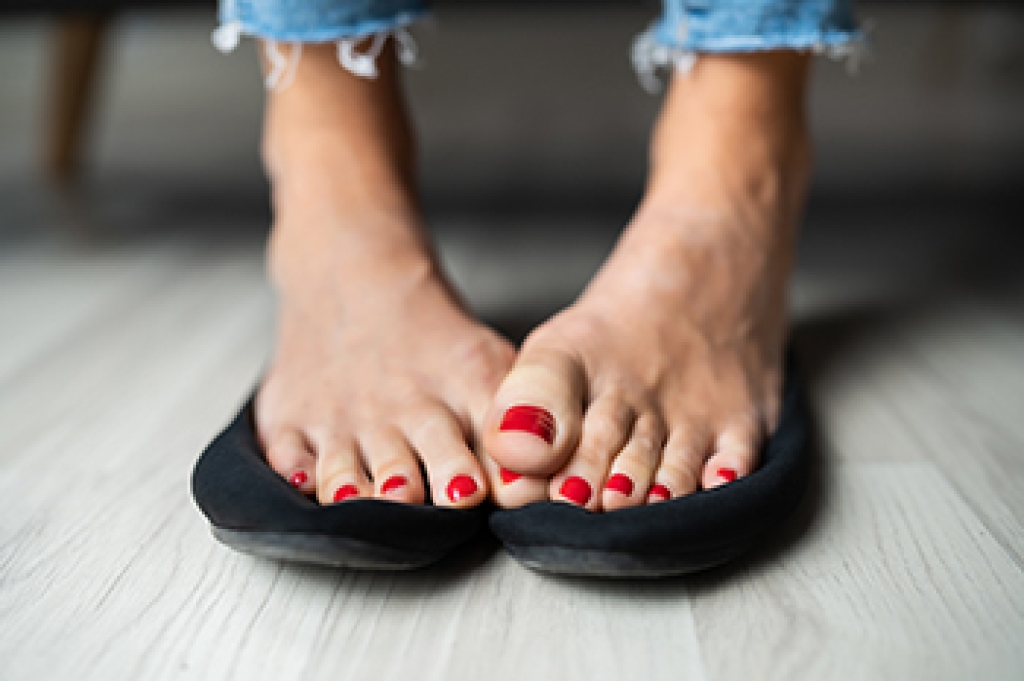
People who have feet that sweat excessively may have a condition that is known as plantar hyperhidrosis. It may be the result of a neurological or endocrine disorder and can be quite uncomfortable. There are several treatment options, and this can depend on the severity of this ailment. Surgery may be a viable option for successfully removing the sweat glands. Patients who are afflicted with this condition often keep an extra pair of shoes and socks close by. It can be professionally and socially disabling, and many patients who have this condition are often embarrassed. If you think you may have hyperhidrosis, it is suggested that you schedule an appointment with a podiatrist who can offer you the correct treatment solutions.

If you are suffering from hyperhidrosis contact our podiatrists of Superior Foot & Ankle Center. Our doctors can provide the care you need to attend to all of your foot and ankle needs.

Hyperhidrosis of the Feet

Hyperhidrosis is a rare disorder that can cause people to have excessive sweating of their feet. This can usually occur all on its own without rigorous activity involved. People who suffer from hyperhidrosis may also experience sweaty palms.

Although it is said that sweating is a healthy process meant to cool down the body temperature and to maintain a proper internal temperature, hyperhidrosis may prove to be a huge hindrance on a person’s everyday life.

Plantar hyperhidrosis is considered to be the main form of hyperhidrosis. Secondary hyperhidrosis can refer to sweating that occurs in areas other than the feet or hands and armpits. Often this may be a sign of it being related to another medical condition such as menopause, hyperthyroidism and even Parkinson’s disease.

In order to alleviate this condition, it is important to see your doctor so that they may prescribe the necessary medications so that you can begin to live a normal life again. If this is left untreated, it is said that it will persist throughout an individual’s life.

A last resort approach would be surgery, but it is best to speak with your doctor to find out what may be the best treatment for you.

If you have any questions please feel free to contact our office located in Long Beach, CA . We offer the newest diagnostic and treatment technologies for all your foot and ankle needs.

Read more about Hyperhidrosis of the Feet

Three Foot Shapes

The bones in babies feet are made of flexible and soft cartilage. As the child grows, the bones harden and provide the ability to walk and run. Most children are born with flat feet, and the arch generally develops in the teenage years. Research has indicated there are three foot shapes that are inherited. When the big toe is the biggest toe, this is referred to as a tapered shape. A rounded shape is noticeable when the second or third toe is longer than the big toe. A square shape is defined as all the toes appearing to be the same length. It is beneficial to have your child walk barefoot while indoors, as this can be helpful in strengthening the overall foot. Additionally, tickling can enable the child to point and flex the feet. If you would like more information about how to care for your child’s feet, please speak with a podiatrist.

The health of a child’s feet is vital to their overall well-being. If you have any questions regarding foot health, contact our podiatrists of Superior Foot & Ankle Center. Our doctors can provide the care you need to keep you pain-free and on your feet.

Tips for Keeping Children's Feet Healthy

  • Make sure their shoes fit properly
  • Look for any signs of in-toeing or out-toeing
  • Check to see if they have Clubfoot (condition that affects your child’s foot and ankle, twisting the heel and toes inward) which is one of the most common nonmajor birth defects.
  • Lightly cover your baby’s feet (Tight covers may keep your baby from moving their feet freely, and could prevent normal development)
  • Allow your toddler to go shoeless (Shoes can be restricting for a young child’s foot)
  • Cut toenails straight across to avoid ingrown toenails
  • Keep your child’s foot clean and dry
  • Cover cuts and scrapes. Wash any scratches with soap and water and cover them with a bandage until they’ve healed.

If you have any questions, please feel free to contact our office located in Long Beach, CA . We offer the newest diagnostic and treatment technologies for all your foot care needs.
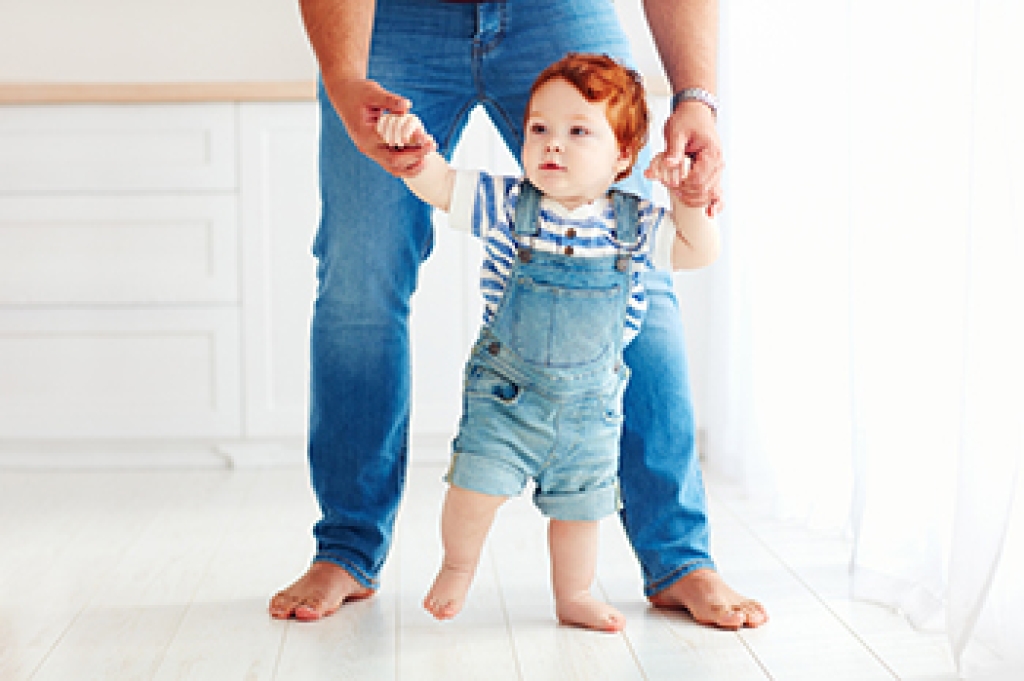
Read more about How to Care for Your Child's Feet

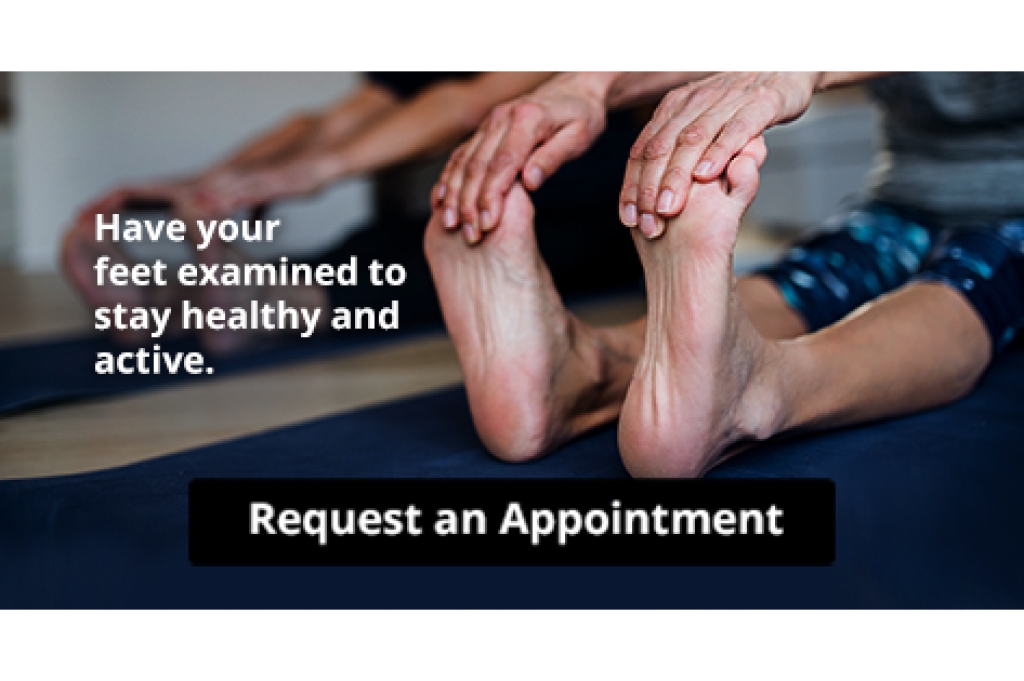
Keep Your Feet Healthy So You Can Stay Active

Have your feet inspected by a professional before starting a new sport or physical activity. Taking charge of your foot health will keep you in good physical condition and can help you avoid a potential injury, such as a fracture or sprained ankle.

Prevent injuries and see a foot specialist.

What Is Foot Drop?

When you are unable to lift your feet off the ground as you walk, causing a shuffling gait, you may have a condition known as foot drop. It can be the result of muscle weakness or paralysis, which may be caused by a number of serious illnesses. Among them are multiple sclerosis, stroke or peripheral neuropathy. It also may be the result of injury to nerves in the legs. Because it is difficult to lift the foot high enough to clear the ground as you take a step, foot drop also can increase your risk of falling. Wearing a brace or an electric stimulation device are measures that can be taken to help reduce the symptoms. If you believe you have developed foot drop, it is suggested that you visit a podiatrist for a full diagnosis and ongoing treatment plan.

If you have any concerns about your feet, contact our podiatrists from Superior Foot & Ankle Center. Our doctors can provide the care you need to keep you pain-free and on your feet.

Biomechanics in Podiatry

Podiatric biomechanics is a particular sector of specialty podiatry with licensed practitioners who are trained to diagnose and treat conditions affecting the foot, ankle and lower leg. Biomechanics deals with the forces that act against the body, causing an interference with the biological structures. It focuses on the movement of the ankle, the foot and the forces that interact with them.

A History of Biomechanics

  • Biomechanics dates back to the BC era in Egypt where evidence of professional foot care has been recorded.
  • In 1974, biomechanics gained a higher profile from the studies of Merton Root, who claimed that by changing or controlling the forces between the ankle and the foot, corrections or conditions could be implemented to gain strength and coordination in the area.

Modern technological improvements are based on past theories and therapeutic processes that provide a better understanding of podiatric concepts for biomechanics. Computers can provide accurate information about the forces and patterns of the feet and lower legs.

Understanding biomechanics of the feet can help improve and eliminate pain, stopping further stress to the foot.

If you have any questions please feel free to contact our office located in Long Beach, CA . We offer the newest diagnostic and treatment technologies for all your foot and ankle needs.

Read more about The Importance of Biomechanics in Podiatry

Connect With Us