
Have you noticed a bony protrusion on the side of your big toe? If so, you may have developed the foot condition known as a bunion. Don't let bunions interfere with your daily activities.
Have you noticed a bony protrusion on the side of your big toe? If so, you may have developed the foot condition known as a bunion. Don't let bunions interfere with your daily activities.
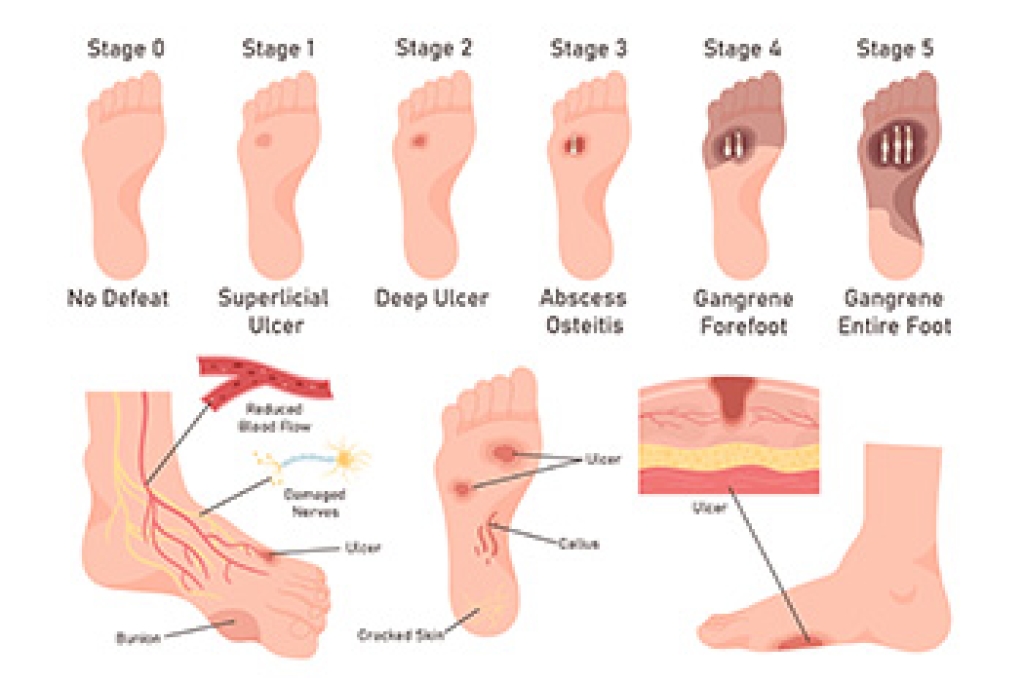
Diabetic foot ulcers, or DFUs, are open sores that often develop in the ball of the foot, heel, or tips of the toes. Diabetic foot ulcers result from nerve damage and poor circulation caused by prolonged high blood sugar levels, which impair sensation and slow healing. Without proper care, DFUs can lead to serious infections, gangrene, or limb loss. The Wagner classification system is commonly used to assess the severity of DFUs. It includes six grades: Grade 0 indicates no open lesions but a high-risk foot. Grade 1 refers to superficial ulcers. Grade 2 involves deeper ulcers that extend to ligaments or muscles. Grade 3 signifies ulcers with bone involvement or abscess. Grade 4 describes localized gangrene of the forefoot. Grade 5 represents extensive gangrene of the entire foot. These stages help a podiatrist determine the best course of treatment, including wound care and infection management, to prevent further complications. If you have developed a foot ulcer related to diabetes, it is suggested that you make an appointment with a podiatrist for regular exams and necessary treatment.
Diabetic foot care is important in preventing foot ailments such as ulcers. If you are suffering from diabetes or have any other concerns about your feet, contact our podiatrists from Superior Foot & Ankle Center. Our doctors can provide the care you need to keep you pain-free and on your feet.
Diabetic Foot Care
Diabetes affects millions of people every year. The condition can damage blood vessels in many parts of the body, especially the feet. Because of this, taking care of your feet is essential if you have diabetes, and having a podiatrist help monitor your foot health is highly recommended.
The Importance of Caring for Your Feet
Patients with diabetes should have their doctor monitor their blood levels, as blood sugar levels play such a huge role in diabetic care. Monitoring these levels on a regular basis is highly advised.
It is always best to inform your healthcare professional of any concerns you may have regarding your feet, especially for diabetic patients. Early treatment and routine foot examinations are keys to maintaining proper health, especially because severe complications can arise if proper treatment is not applied.
If you have any questions, please feel free to contact our office located in Long Beach, CA . We offer the newest diagnostic and treatment technologies for all your foot care needs.
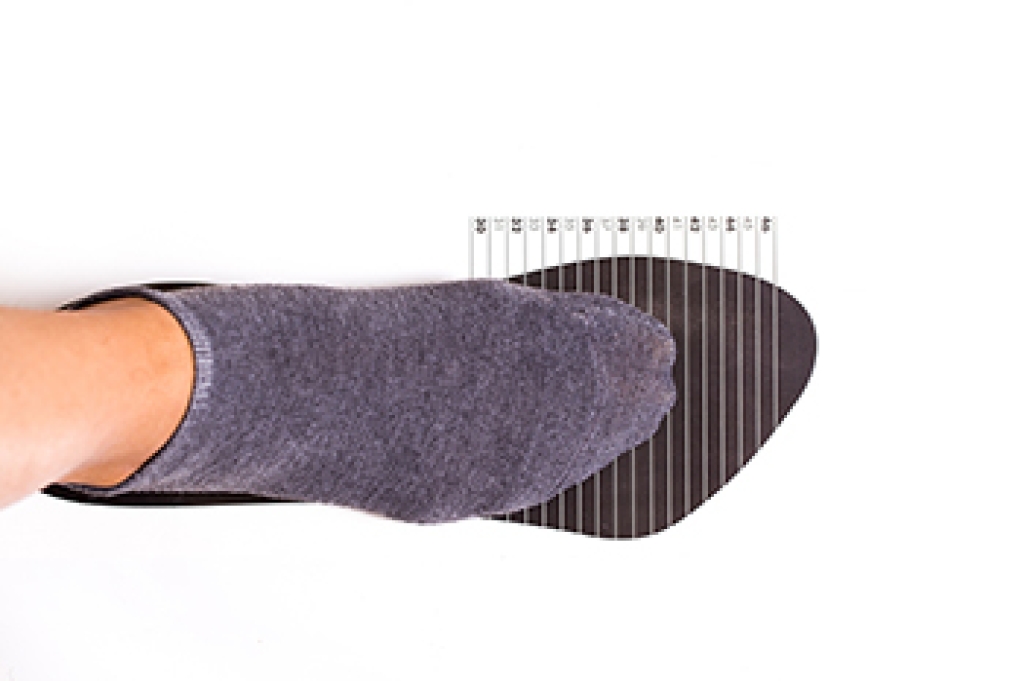
Properly measuring your shoe size and understanding how shoes should fit is essential for comfort and preventing foot pain. To begin, measure each foot, as one may be slightly larger than the other. Stand while measuring to account for any changes in foot size that occur when weight is applied. Athletic shoes, such as running shoes, should fit snugly around the heel with a bit of room at the toe for movement. Boots should provide enough space for thick socks and ensure the foot is secure without feeling too tight. Walking shoes should have a comfortable fit with adequate cushioning to support the natural movement of the foot. It is important to try on shoes later in the day when feet are slightly swollen to ensure the best fit. Always choose shoes that provide support without squeezing or causing discomfort. If you have foot pain from wearing shoes that do not fit correctly, it is suggested that you consult a podiatrist who can treat various foot conditions, and guide you on how to find your correct shoe size.
Getting the right shoe size is an important part of proper foot health. Seek the assistance of our podiatrists from Superior Foot & Ankle Center. Our doctors will provide the care you need to keep you pain-free and on your feet.
Getting the Right Shoe Size
There are many people who wear shoes that are the incorrect size, negatively affecting their feet and posture. Selecting the right shoes is not a difficult process, so long as you keep several things in mind when it comes to choosing the right pair.
As our feet hold our body weight and keep us moving, it is important to treat them right. Picking the right pair of shoes can provide your feet comfort and mobility without pain.
If you have any questions, please feel free to contact our office located in Long Beach, CA . We offer the newest diagnostic and treatment technologies for all your foot care needs.
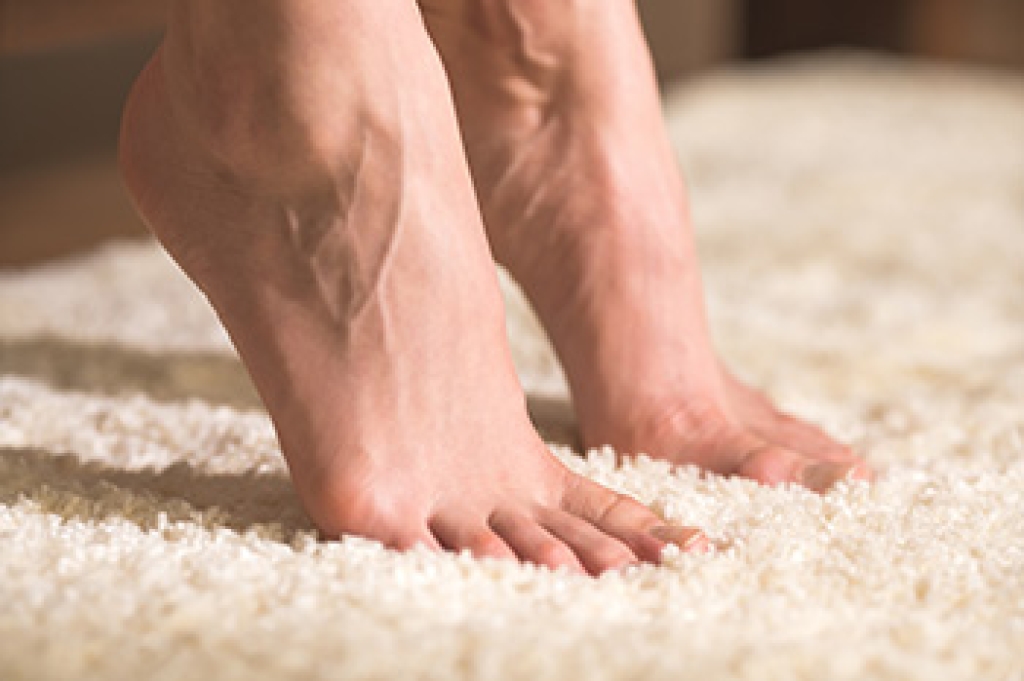
Keeping your feet, toes, and ankles strong and flexible can help alleviate pain and reduce the risk of injuries. Simple foot exercises, like standing heel raises or toe spreading, improve strength and stability, while stretches such as the Achilles tendon stretch enhance flexibility. Balance exercises, like standing on one foot, also play a role in building ankle stability. Ankle rotations or writing the alphabet with your big toe can increase joint mobility and coordination. These activities are particularly helpful for addressing issues in the feet, toes, and ankles caused by strain or stiffness. If you experience difficulty performing these exercises or are unsure of where to begin, a podiatrist can assess your specific needs and offer guidance on suitable exercises. This foot doctor can also identify other issues that may require further treatment to prevent ongoing discomfort or injury. If you regularly experience aches and pains in your feet, it is suggested that you schedule an appointment with a podiatrist for an exam and treatment.
Exercising your feet regularly with the proper foot wear is a great way to prevent injuries and build strength. If you have any concerns about your feet, contact our podiatrists from Superior Foot & Ankle Center. Our doctors can provide the care you need to keep you pain-free and on your feet.
Exercise for Your Feet
Exercise for your feet can help you gain strength, mobility and flexibility in your feet. They say that strengthening your feet can be just as rewarding as strengthening another part of the body. Your feet are very important, and we often forget about them in our daily tasks. But it is because of our feet that are we able to get going and do what we need to. For those of us fortunate enough to not have any foot problems, it is an important gesture to take care of them to ensure good health in the long run.
Some foot health exercises can include ankle pumps, tip-toeing, toe rises, lifting off the floor doing reps and sets, and flexing the toes. It is best to speak with Our doctors to determine an appropriate regimen for your needs. Everyone’s needs and bodies are different, and the activities required to maintain strength in the feet vary from individual to individual.
Once you get into a routine of doing regular exercise, you may notice a difference in your feet and how strong they may become.
If you have any questions, please feel free to contact our office located in Long Beach, CA . We offer the newest diagnostic and treatment technologies for all your foot care needs.

Sever's disease is a common condition that causes heel pain in growing children, particularly those active in sports. The growth plate in the heel bone, known as the calcaneus, becomes irritated due to repetitive stress. This condition typically affects children between the ages of eight and fourteen during rapid growth. The primary symptom of Sever's disease is pain in the heel that can worsen with activity and improve with rest. Swelling or tenderness may also be present surrounding the heel area. Risk factors of Sever's disease include participating in high-impact sports like soccer and basketball and having tight calf muscles or flat feet. Rest, stretching, and supportive footwear may help alleviate symptoms. If your child has heel pain, it is suggested that you consult a podiatrist for proper treatment.
Sever's disease often occurs in children and teens. If your child is experiencing foot or ankle pain, see our podiatrists from Superior Foot & Ankle Center. Our doctors can treat your child’s foot and ankle needs.
Sever’s Disease
Sever’s disease is also known as calcaneal apophysitis, which is a medical condition that causes heel pain I none or both feet. The disease is known to affect children between the ages of 8 and 14.
Sever’s disease occurs when part of the child’s heel known as the growth plate (calcaneal epiphysis) is attached to the Achilles tendon. This area can suffer injury when the muscles and tendons of the growing foot do not keep pace with bone growth. Therefore, the constant pain which one experiences at the back of the heel will make the child unable to put any weight on the heel. The child is then forced to walk on their toes.
Symptoms
Acute pain – Pain associated with Sever’s disease is usually felt in the heel when the child engages in physical activity such as walking, jumping and or running.
Highly active – Children who are very active are among the most susceptible in experiencing Sever’s disease, because of the stress and tension placed on their feet.
If you have any questions, please feel free to contact our office located in Long Beach, CA . We offer the newest diagnostic and treatment technologies for all your foot care needs.
Connect With Us
