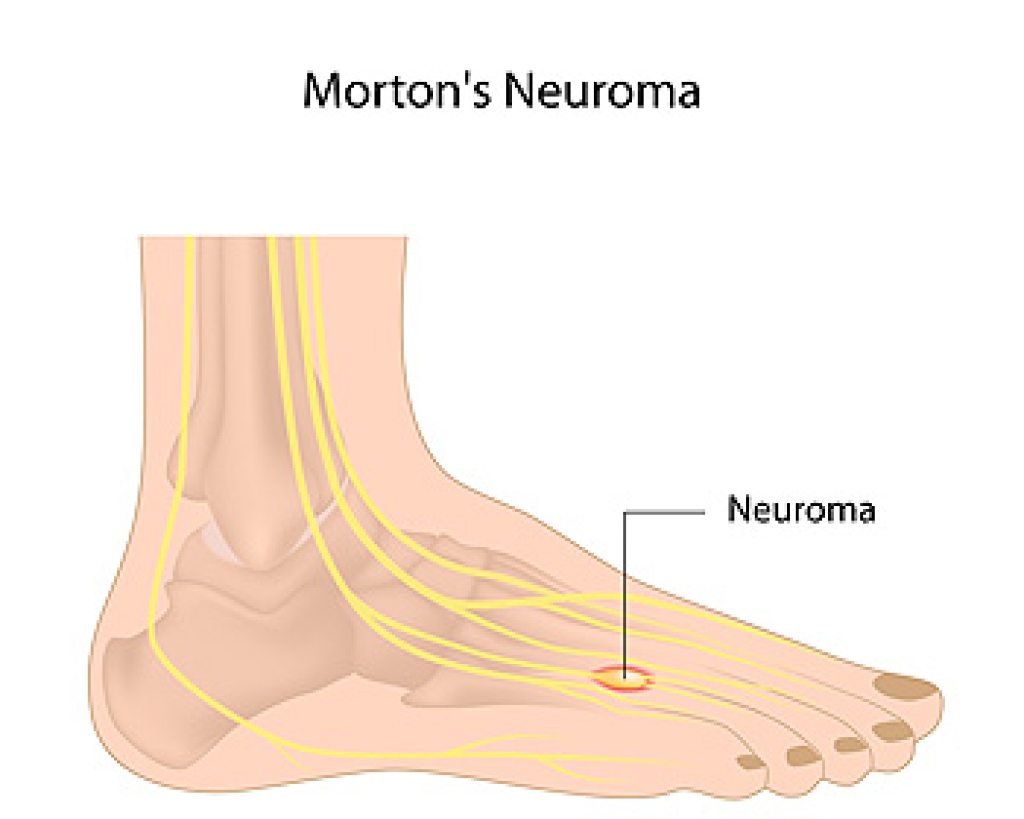
Stretches That May Relieve Pain from Morton Neuroma

The nerve tissue between the third and fourth toes are affected when a condition known as Morton’s neuroma is present. It can cause significant pain, and some people say it feels as if there is a rock or pebble inside the ball of the foot. The most common pain consists of a stabbing or burning sensation that typically worsens over time. This condition can develop as a result from wearing shoes that are too narrow or from medical conditions like bunions, hammertoes, and flat feet. Mild relief may be found when the affected foot is elevated or massaged. It can also be beneficial to perform certain exercises to maintain and strengthen the arch of the foot. Fill a plastic bottle with ice and roll it back and forth along the bottom of the foot. (This will help with inflammation too) Another stretch can be performed while sitting down with your legs straight in front of you. Place the ball of your foot in the middle of a towel, then grab both ends of the towel and gently pull towards your shin. If you have pain in the ball of your foot, please schedule an appointment with a podiatrist who can properly diagnose and treat Morton’s neuroma.

Morton’s neuroma is a very uncomfortable condition to live with. If you think you have Morton’s neuroma, contact our podiatrists of Superior Foot & Ankle Center. Our doctors will attend to all of your foot care needs and answer any of your related questions.  

Morton’s Neuroma

Morton's neuroma is a painful foot condition that commonly affects the areas between the second and third or third and fourth toe, although other areas of the foot are also susceptible. Morton’s neuroma is caused by an inflamed nerve in the foot that is being squeezed and aggravated by surrounding bones.

What Increases the Chances of Having Morton’s Neuroma?

  • Ill-fitting high heels or shoes that add pressure to the toe or foot
  • Jogging, running or any sport that involves constant impact to the foot
  • Flat feet, bunions, and any other foot deformities

Morton’s neuroma is a very treatable condition. Orthotics and shoe inserts can often be used to alleviate the pain on the forefront of the feet. In more severe cases, corticosteroids can also be prescribed. In order to figure out the best treatment for your neuroma, it’s recommended to seek the care of a podiatrist who can diagnose your condition and provide different treatment options.

If you have any questions, please feel free to contact our office located in Long Beach, CA . We offer the newest diagnostic and treatment technologies for all your foot care needs.
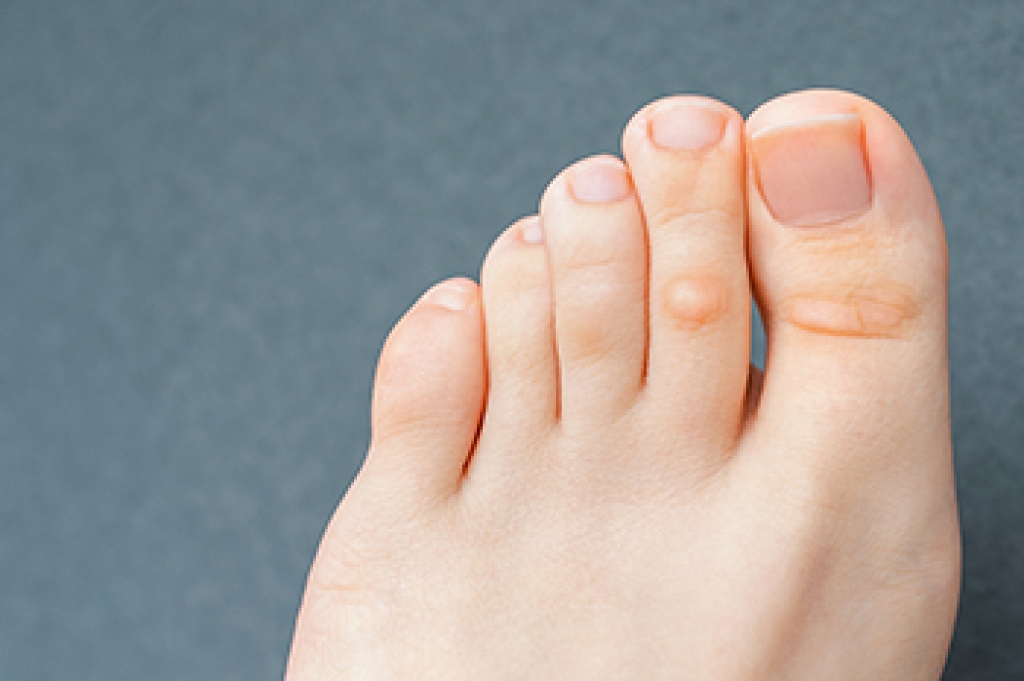
Read more about Morton's Neuroma

Corns Can Be In Two Places on the Foot

Pain can often accompany a corn on the foot. A hard corn is defined as a small, toughened area that develops on top of the toes. It generally forms due to wearing shoes that do not fit correctly. The shoes may be too tight, and this can cause friction as the toes rub against the top of the shoes. A soft corn forms between the toes and is generally moist a majority of the time. Mild relief may be found when a protective covering is worn on top of the corn, or in between the toes. This can help to cushion and protect the corn as daily activities are completed. It is suggested to refrain from wearing high heels with an existing corn, in addition to limiting the amount of walking. If you have developed a corn, please speak to a podiatrist who can recommend proper removal techniques.

If you have any concerns regarding your feet and ankles, contact our podiatrists of Superior Foot & Ankle Center. Our doctors will treat your foot and ankle needs.

Corns: What Are They? and How Do You Get Rid of Them?
Corns can be described as areas of the skin that have thickened to the point of becoming painful or irritating. They are often layers and layers of the skin that have become dry and rough, and are normally smaller than calluses.

Ways to Prevent Corns
There are many ways to get rid of painful corns such as wearing:

  • Well-fitting socks
  • Comfortable shoes that are not tight around your foot
  • Shoes that offer support

Treating Corns
Treatment of corns involves removing the dead skin that has built up in the specific area of the foot. Consult with Our doctors to determine the best treatment option for your case of corns.

If you have any questions please feel free to contact our office located in Long Beach, CA . We offer the newest diagnostic and treatment technologies for all your foot and ankle needs.

Read more about Corns: What Are They, and How Do You Get Rid of Them

Dealing With Blisters on the Feet

A blister is a sac of fluid that develops in the upper layer of your skin when a body part, typically a toe, rubs against a hard surface like the side or top of a shoe. This is the body’s way of protecting the toe from injury. While most blisters are clear, if one becomes infected it may fill with blood or a yellowish-green pus. Generally, a blister will heal itself in a few days, especially if the activity that caused it is stopped. For instance, if you are walking for long periods in hard leather shoes, and a blister develops, it’s a good idea to change to a more open type of shoe. It's never wise to pop a blister, as that can leave you open to serious infection. If it bursts on its own, avoid removing the dead skin, but gently wrap the area in sterile gauze until it heals. Any time a blister becomes extremely painful or appears to be infected, it is important to consult a podiatrist as soon as possible for appropriate treatment options.

Blisters are prone to making everyday activities extremely uncomfortable. If your feet are hurting, contact our podiatrists of Superior Foot & Ankle Center. Our doctors can provide the care you need to keep you pain-free and on your feet.

Foot Blisters

Foot blisters develop as a result of constantly wearing tight or ill-fitting footwear. This happens due to the constant rubbing from the shoe, which can often lead to pain.

What Are Foot Blisters?

A foot blister is a small fluid-filled pocket that forms on the upper-most layer of the skin. Blisters are filled with clear fluid and can lead to blood drainage or pus if the area becomes infected.

How Do Blisters Form?

Blisters on the feet are often the result of constant friction of skin and material, usually by shoe rubbing. Walking in sandals, boots, or shoes that don’t fit properly for long periods of time can result in a blister. Having consistent foot moisture and humidity can easily lead to blister formation.

Prevention & Treatment

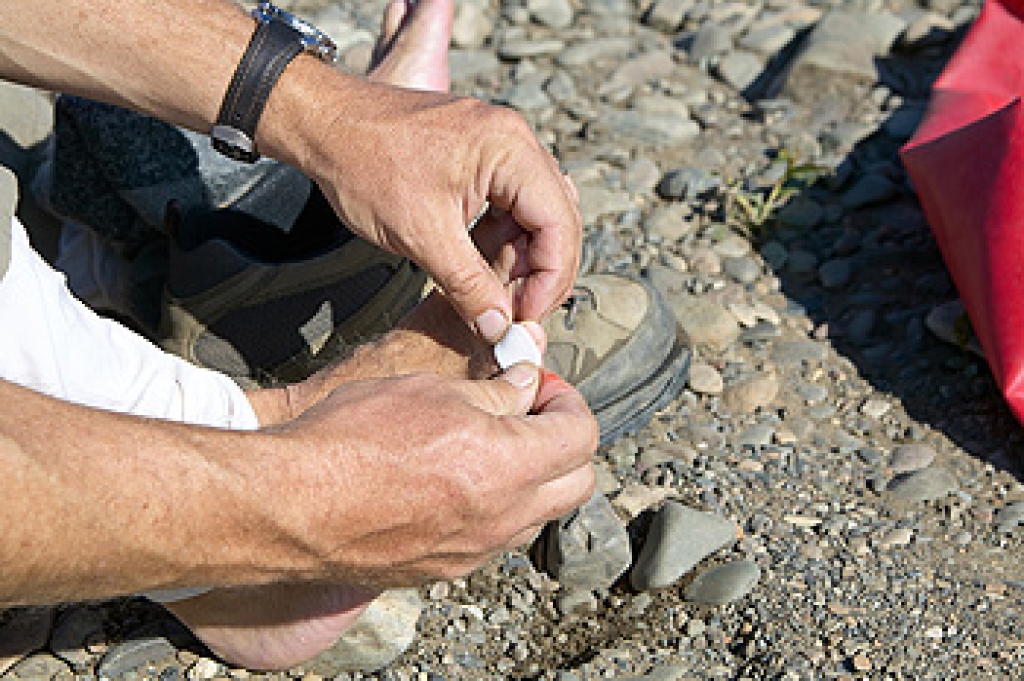
It is important to properly care for the affected area in order to prevent infection and ease the pain. Do not lance the blister and use a Band-Aid to provide pain relief. Also, be sure to keep your feet dry and wear proper fitting shoes. If you see blood or pus in a blister, seek assistance from a podiatrist.

If you have any questions, please feel free to contact our office located in Long Beach, CA . We offer the newest diagnostic and treatment technologies for all your foot care needs.
Read more about Blisters on the Feet

When Is Toenail Surger​​y an Option?

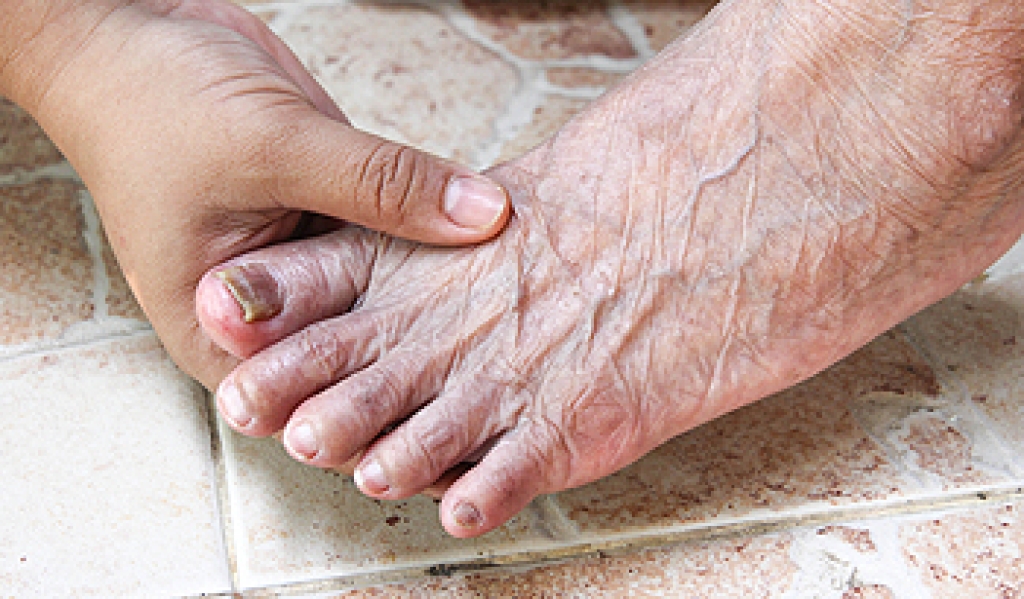
Many rheumatoid arthritis sufferers find that ingrown toenails have become an ongoing problem. An ingrown toenail occurs when the outer edge of the nail gets embedded in the surrounding skin. This can cause pain, swelling, and possibly an infection. If this happens regularly, surgery to remove the nail may be an option to consider. If you still have a good blood supply to the feet and toes, and if you are not currently having a rheumatoid flare-up, removal of the toenail is a viable option. Surgery, which can be carried out by a podiatrist, is a long-term solution. But it’s important to remember that because of rheumatoid arthritis the healing process may be slow. Other options can include changing your footwear to a larger size and seeing a podiatrist to set up a series of regular foot-care appointments as a preventative measure. 

Ingrown toenails may initially present themselves as a minor discomfort, but they may progress into an infection in the skin without proper treatment. For more information about ingrown toenails, contact our podiatrists of Superior Foot & Ankle Center. Our doctors can provide the care you need to keep you pain-free and on your feet.

Ingrown Toenails

Ingrown toenails are caused when the corner or side of a toenail grows into the soft flesh surrounding it. They often result in redness, swelling, pain, and in some cases, infection. This condition typically affects the big toe and may recur if it is not treated properly.

Causes

  • Improper toenail trimming
  • Genetics
  • Improper shoe fitting
  • Injury from pedicures or nail picking
  • Abnormal gait
  • Poor hygiene

You are more likely to develop an ingrown toenail if you are obese, have diabetes, arthritis, or have any fungal infection in your nails. Additionally, people who have foot or toe deformities are at a higher risk of developing an ingrown toenail.

Symptoms

Some symptoms of ingrown toenails are redness, swelling, and pain. In rare cases, there may be a yellowish drainage coming from the nail.

Treatment

Ignoring an ingrown toenail can have serious complications. Infections of the nail border can progress to a deeper soft-tissue infection, which can then turn into a bone infection. You should always speak with your podiatrist if you suspect you have an ingrown toenail, especially if you have diabetes or poor circulation.

If you have any questions, please feel free to contact our office located in Long Beach, CA . We offer the newest diagnostic and treatment technologies for all your foot care needs.

Read more about Ingrown Toenail Care

We Can Treat Your Foot or Ankle Pain

Foot or ankle pain can negatively affect your day-to-day life and can occur due to several different conditions. Pain can also be an indicator of a more serious underlying condition, which is why you should seek professional help as soon as you notice any abnormalities in your feet.

Connect With Us