
Suffering from this type of pain? You may have the foot condition known as Morton's neuroma. Morton's neuroma may develop as a result of ill-fitting footwear and existing foot deformities. We can help.
Suffering from this type of pain? You may have the foot condition known as Morton's neuroma. Morton's neuroma may develop as a result of ill-fitting footwear and existing foot deformities. We can help.
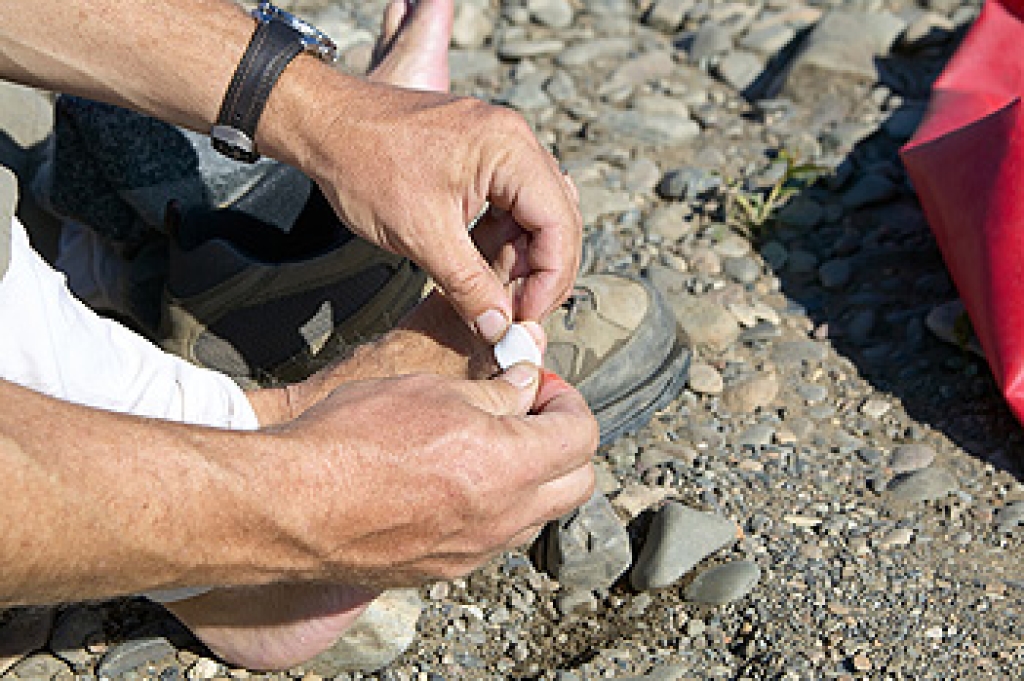
Blisters between the toes can be painful and uncomfortable, often causing irritation with every step. The primary symptom is a fluid-filled bump that forms between the toes, which may be red, swollen, or tender to the touch. Blisters are typically caused by friction, such as from wearing poorly fitted shoes or excessive moisture. Activities like running or dancing can also increase the risk of developing blisters in this sensitive area. The friction can lead to a burning or stinging sensation, especially when pressure is applied. Popping a blister yourself is not recommended, as it can lead to infection. A podiatrist can help by properly draining any painful blisters and providing advice on prevention, including recommending the right footwear, moisture-wicking socks, or custom orthotics. This type of doctor may also offer guidance on how to care for the area to avoid infection and encourage faster healing. If you have developed blisters between the toes, it is suggested that you schedule an appointment with a podiatrist.
Blisters are prone to making everyday activities extremely uncomfortable. If your feet are hurting, contact our podiatrists of Superior Foot & Ankle Center. Our doctors can provide the care you need to keep you pain-free and on your feet.
Foot Blisters
Foot blisters develop as a result of constantly wearing tight or ill-fitting footwear. This happens due to the constant rubbing from the shoe, which can often lead to pain.
What Are Foot Blisters?
A foot blister is a small fluid-filled pocket that forms on the upper-most layer of the skin. Blisters are filled with clear fluid and can lead to blood drainage or pus if the area becomes infected.
How Do Blisters Form?
Blisters on the feet are often the result of constant friction of skin and material, usually by shoe rubbing. Walking in sandals, boots, or shoes that don’t fit properly for long periods of time can result in a blister. Having consistent foot moisture and humidity can easily lead to blister formation.
Prevention & Treatment
It is important to properly care for the affected area in order to prevent infection and ease the pain. Do not lance the blister and use a Band-Aid to provide pain relief. Also, be sure to keep your feet dry and wear proper fitting shoes. If you see blood or pus in a blister, seek assistance from a podiatrist.
If you have any questions, please feel free to contact our office located in Long Beach, CA . We offer the newest diagnostic and treatment technologies for all your foot care needs.
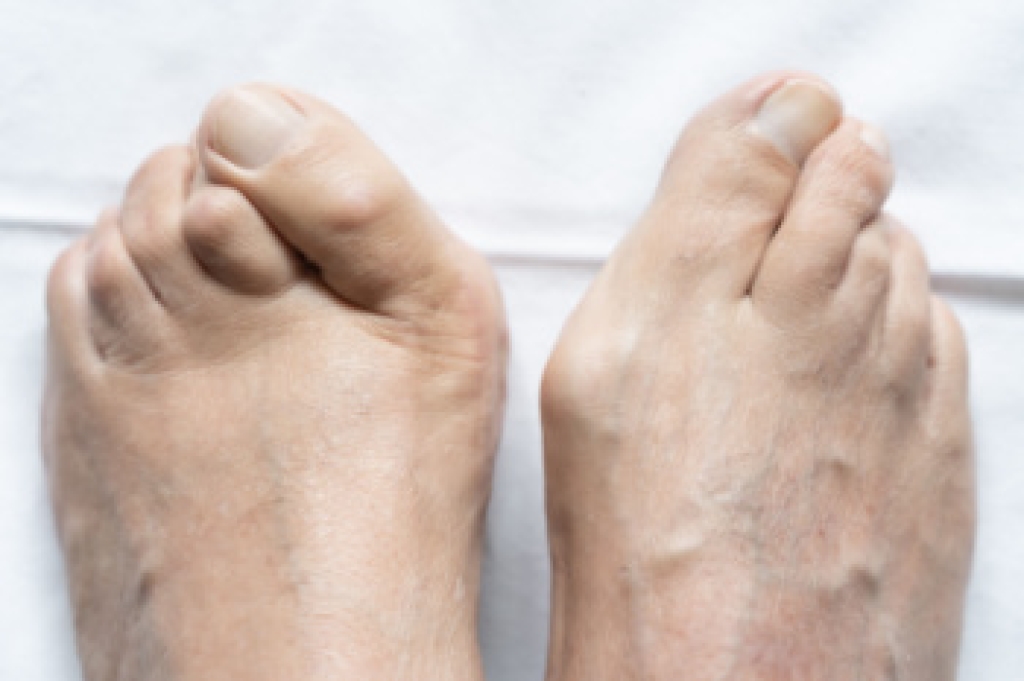
A bunion is a bony bump that forms when the big toe joint shifts out of alignment, often due to genetics, wearing improper footwear, flat feet, or arthritis. Over time, the joint becomes swollen, painful, and stiff, making walking uncomfortable. There are different types of bunions. The most common is the classic bunion, which develops on the inside of the foot at the base of the big toe. A tailor’s bunion, or bunionette, forms on the outside at the base of the little toe. A dorsal bunion occurs on the top of the big toe joint, often limiting movement and making shoe wear painful. Treatment varies based on severity. Wider shoes, padding, orthotics, and toe exercises can help, and severe cases may require injections or surgery. Since bunions worsen over time, it is suggested that you see a podiatrist for early intervention and to prevent complications.
If you are suffering from bunion pain, contact our podiatrists of Superior Foot & Ankle Center. Our doctors can provide the care you need to keep you pain-free and on your feet.
What Is a Bunion?
Bunions are painful bony bumps that usually develop on the inside of the foot at the joint of the big toe. As the deformity increases over time, it may become painful to walk and wear shoes. Women are more likely to exacerbate existing bunions since they often wear tight, narrow shoes that shift their toes together. Bunion pain can be relieved by wearing wider shoes with enough room for the toes.
Causes
Symptoms
In order to diagnose your bunion, your podiatrist may ask about your medical history, symptoms, and general health. Your doctor might also order an x-ray to take a closer look at your feet. Nonsurgical treatment options include orthotics, padding, icing, changes in footwear, and medication. If nonsurgical treatments don’t alleviate your bunion pain, surgery may be necessary.
If you have any questions, please feel free to contact our office located in Long Beach, CA . We offer the newest diagnostic and treatment technologies for all your foot care needs.
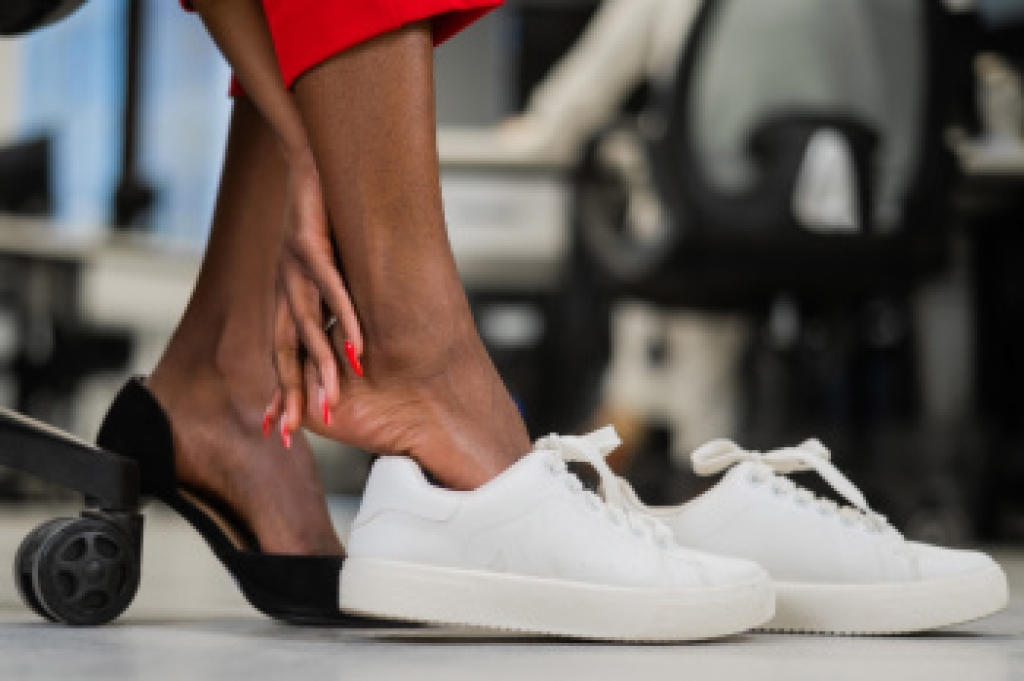
Heel pain in one foot can result from several conditions that affect the structures supporting the foot. Plantar fasciitis is a common cause, occurring when the band of tissue along the bottom of the foot becomes inflamed due to overuse or strain. Achilles tendinitis can also lead to pain, particularly at the back of the heel, as a result of repetitive stress on the tendon. A heel spur, which is a bony growth on the heel bone, may develop from prolonged tension and pressure. Nerve compression, such as tarsal tunnel syndrome, can cause sharp or tingling sensations in one heel. Wearing unsupportive footwear or standing for extended periods can also contribute to discomfort. If you have heel pain, it is suggested that you promptly consult a podiatrist who can determine what the cause is, and offer appropriate treatment solutions.
Many people suffer from bouts of heel pain. For more information, contact our podiatrists of Superior Foot & Ankle Center. Our doctors can provide the care you need to keep you pain-free and on your feet.
Causes of Heel Pain
Heel pain is often associated with plantar fasciitis. The plantar fascia is a band of tissues that extends along the bottom of the foot. A rip or tear in this ligament can cause inflammation of the tissue.
Achilles tendonitis is another cause of heel pain. Inflammation of the Achilles tendon will cause pain from fractures and muscle tearing. Lack of flexibility is also another symptom.
Heel spurs are another cause of pain. When the tissues of the plantar fascia undergo a great deal of stress, it can lead to ligament separation from the heel bone, causing heel spurs.
Why Might Heel Pain Occur?
Treatments
Heel pain should be treated as soon as possible for immediate results. Keeping your feet in a stress-free environment will help. If you suffer from Achilles tendonitis or plantar fasciitis, applying ice will reduce the swelling. Stretching before an exercise like running will help the muscles. Using all these tips will help make heel pain a condition of the past.
If you have any questions, please feel free to contact our office located in Long Beach, CA . We offer the newest diagnostic and treatment technologies for all your foot care needs.
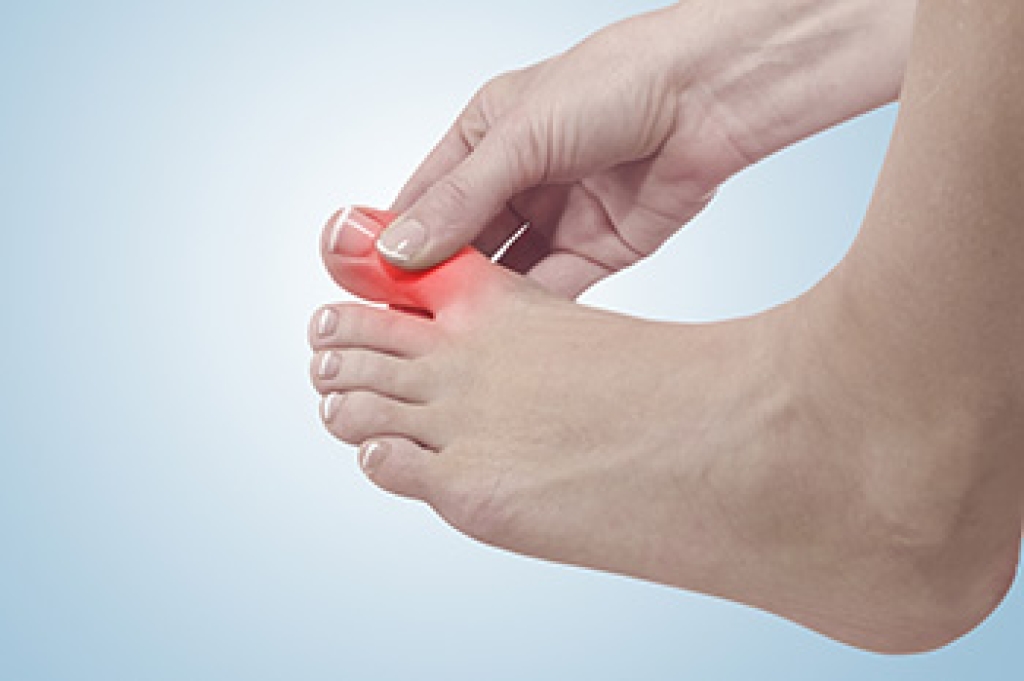
Gout is a type of arthritis that causes sudden, intense pain, typically in the big toe. It occurs when uric acid builds up in the body, forming crystals in the joints. This leads to swelling, redness, and extreme tenderness. Gout attacks often come on suddenly and can cause the affected joint to feel hot, swollen, and stiff, making even the slightest touch unbearable. A podiatrist can help manage gout by assessing the severity of the attack and offering treatment to reduce pain and inflammation. This type of doctor may recommend anti-inflammatory medication to ease the symptoms. Lifestyle changes, like adjusting diet and managing weight, are also essential in preventing future flare-ups. In some cases, a podiatrist might suggest custom orthotics to provide relief while walking. If you experience recurring pain or have swelling in your toe joints, it is suggested that you schedule an appointment with a podiatrist who can accurately diagnose and treat gout.
Gout is a foot condition that requires certain treatment and care. If you are seeking treatment, contact our podiatrists from Superior Foot & Ankle Center. Our doctors will treat your foot and ankle needs.
What Is Gout?
Gout is a type of arthritis caused by a buildup of uric acid in the bloodstream. It often develops in the foot, especially the big toe area, although it can manifest in other parts of the body as well. Gout can make walking and standing very painful and is especially common in diabetics and the obese.
People typically get gout because of a poor diet. Genetic predisposition is also a factor. The children of parents who have had gout frequently have a chance of developing it themselves.
Gout can easily be identified by redness and inflammation of the big toe and the surrounding areas of the foot. Other symptoms include extreme fatigue, joint pain, and running high fevers. Sometimes corticosteroid drugs can be prescribed to treat gout, but the best way to combat this disease is to get more exercise and eat a better diet.
If you have any questions, please feel free to contact our office located in Long Beach, CA . We offer the newest diagnostic and treatment technologies for all your foot care needs.
Connect With Us
