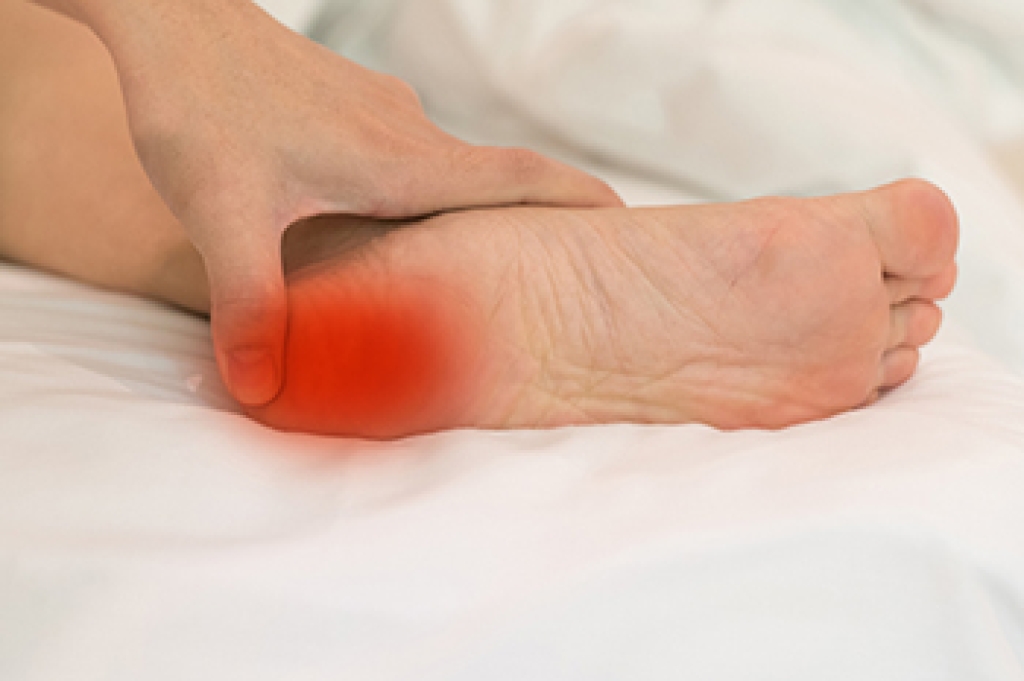
Infections Can Sometimes Be the Cause of Your Ankle Pain

There are many reasons why your ankle may hurt. You may have sprained, strained, or fractured your ankle, or ruptured your Achilles tendon. Perhaps some form of arthritis has settled into the ankle joint, or you may have fallen arches. A less common reason for ankle pain is an infection. You are more susceptible to developing an infection in your ankle if you have recently had surgery or have suffered a cut or other form of trauma in the area, and bacteria entered through the open skin. A painful ankle infection is sometimes accompanied by warmth, swelling, or redness in the affected area as well as fever and fatigue. Any infection is a potentially serious condition and should be attended to promptly. If you are having any of the symptoms mentioned here, it is suggested to make an appointment with a podiatrist. They will examine your ankle and make an accurate diagnosis in order to treat the condition properly.

Ankle pain can be caused by a number of problems and may be potentially serious. If you have ankle pain, consult with our podiatrists from Superior Foot & Ankle Center. Our doctors will assess your condition and provide you with quality foot and ankle treatment.

Ankle pain is any condition that causes pain in the ankle. Due to the fact that the ankle consists of tendons, muscles, bones, and ligaments, ankle pain can come from a number of different conditions.

Causes

The most common causes of ankle pain include:

  • Types of arthritis (rheumatoid, osteoarthritis, and gout)
  • Ankle sprains
  • Broken ankles
  • Achilles tendonitis
  • Achilles tendon rupture
  • Stress fractures
  • Bursitis
  • Tarsal tunnel syndrome
  • Plantar fasciitis

Symptoms

Symptoms of ankle injury vary based upon the condition. Pain may include general pain and discomfort, swelling, aching, redness, bruising, burning or stabbing sensations, and/or loss of sensation.

Diagnosis

Due to the wide variety of potential causes of ankle pain, podiatrists will utilize a number of different methods to properly diagnose ankle pain. This can include asking for personal and family medical histories and of any recent injuries. Further diagnosis may include sensation tests, a physical examination, and potentially x-rays or other imaging tests.

Treatment

Just as the range of causes varies widely, so do treatments. Some more common treatments are rest, ice packs, keeping pressure off the foot, orthotics and braces, medication for inflammation and pain, and surgery.

If you have any questions please feel free to contact our office located in Long Beach, CA . We offer the newest diagnostic tools and technology to treat your foot and ankle needs.


Read more about Ankle Pain

How Diabetic Neuropathy Affects the Feet

Diabetic neuropathy is nerve damage that is primarily caused by diabetes. High levels of blood sugar over a long period can cause damage to the nerves. As diabetics age, their chances of developing this nerve damage increase. Harm to the nerves also can be caused by drinking too much alcohol. Neuropathy symptoms often show up in the feet, which because of the nerve damage may not feel pain. This leaves the diabetic at risk for developing ulcers from cuts or sores that are neglected. The nerves in the feet that normally detect pain, touch, and hot or cold do not function properly. This also causes weakness in the lower leg and foot muscles.  It is recommended that diabetics check, or have someone check, their feet each day for sores, cuts, and bruises. Regular visits with a podiatrist, who can test the severity of the nerve damage and suggest the proper treatment options, are strongly suggested. 

Neuropathy

Neuropathy can be a potentially serious condition, especially if it is left undiagnosed. If you have any concerns that you may be experiencing nerve loss in your feet, consult with our podiatrists from Superior Foot & Ankle Center. Our doctors will assess your condition and provide you with quality foot and ankle treatment for neuropathy.

What Is Neuropathy?

Neuropathy is a condition that leads to damage to the nerves in the body. Peripheral neuropathy, or neuropathy that affects your peripheral nervous system, usually occurs in the feet. Neuropathy can be triggered by a number of different causes. Such causes include diabetes, infections, cancers, disorders, and toxic substances.

Symptoms of Neuropathy Include:

  • Numbness
  • Sensation loss
  • Prickling and tingling sensations
  • Throbbing, freezing, burning pains
  • Muscle weakness

Those with diabetes are at serious risk due to being unable to feel an ulcer on their feet. Diabetics usually also suffer from poor blood circulation. This can lead to the wound not healing, infections occurring, and the limb may have to be amputated.

Treatment

To treat neuropathy in the foot, podiatrists will first diagnose the cause of the neuropathy. Figuring out the underlying cause of the neuropathy will allow the podiatrist to prescribe the best treatment, whether it be caused by diabetes, toxic substance exposure, infection, etc. If the nerve has not died, then it’s possible that sensation may be able to return to the foot.

Pain medication may be issued for pain. Electrical nerve stimulation can be used to stimulate nerves. If the neuropathy is caused from pressure on the nerves, then surgery may be necessary.

If you have any questions, please feel free to contact our office located in Long Beach, CA . We offer the newest diagnostic and treatment technologies for all your foot care needs.

Read more about Neuropathy

Chef’s Feet

Professional chefs spend many hours a week on their feet cooking. Their days often involve a continuous day of standing, walking, bending, lifting, and turning at odd angles. Being on one’s feet so much will eventually take a toll. It might start with sore feet at the end of the day but often gradually starts to involve other parts of the body as everything is interconnected. It is important for anyone in this profession, and any other job that requires long hours of standing, to take proper care of their feet. If not, one will be in constant pain, productivity will be impacted, and the passion for cooking will take a back seat to aches and pains. A cook can delay or diminish foot pain by doing some simple things, including wearing shoes that fit well, are supportive, and have proper cushioning. Other tips are lifting properly and not more than can be handled, and wearing white socks, because colored socks have dye that can seep into pores when one sweats. Sitting (at least when eating) to take some of the pressure off the feet, as well as staying active and stretching when not working to keep limber may also help. Do as much as you can to take care of your feet if you are working on your feet all day. If you cannot get on top of the pain yourself, see a podiatrist for additional tips and treatment.

While working on the feet, it is important to take the proper care of them. For more information about working on your feet, contact our podiatrists from Superior Foot & Ankle Center. Our doctors will treat your foot and ankle needs.

Working on Your Feet

Standing on your feet for long periods of time can cause stress and pain in your feet. Your whole body may experience change in terms of posture, back pain, bunions, callouses and or plantar warts. There are ways to avoid these conditions with proper foot care, smart choices and correct posture.

Positive Changes

Negative heeled shoe – Choosing this shoe type places the heel slightly lower than the ball of the foot. These are great for overall foot health. Find shoes that fit you correctly.

Go barefoot – Our feet were not designed to be enclosed for all hours of the day. Try to periodically expose your feet to air.

Eliminate Pain

Foot Exercises – Performing simple exercises, incorporating yoga and doing stretches are beneficial. This will allow increased blood flow to the area and muscles of the foot.

Achilles tendon – Stretching the foot out flat on the floor will relax the calf muscles and tendon. These exercises can be performed almost anywhere. Make sure you add these exercises to your daily regimen. 

With a little bit of this information and knowing more about foot health, you will notice changes. Foot stretches and proper footwear will help with pain and prevent further issues.

If you have any questions please contact our office located in Long Beach, CA . We offer the newest diagnostic and treatment technologies for all your foot and ankle needs.

Read more about Working on Your Feet

Truck Driving and Plantar Fasciitis

One of the most common causes of heel pain is a condition known as plantar fasciitis. This condition is caused by the straining of the ligament that runs between the toes and the heel. The straining of this ligament can produce sharp and shooting pains in the bottom of the feet that are most prominent when taking your first step after a prolonged period of rest. Many individuals are at a higher risk of suffering from plantar fasciitis. Namely, women who often wear high-heeled shoes are more prone to experiencing plantar fasciitis because of the extra strain that such footwear causes on the heel. However, it may come as a surprise to some that truck drivers are also at a greater risk of experiencing this condition. This can be explained by the fact that truck drivers spend most of their day sitting while driving, but often must suddenly and sporadically engage in physical activity during rest stops before they can properly stretch and re-engage ligaments in their feet. Truck drivers may be able to stave off the effects of plantar fasciitis by regularly stretching foot ligaments and muscles, especially before beginning to walk after a long drive. Truck drivers may also consider opting for more supportive footwear or wearing a heel cup for extra protection. Although some occupations may put individuals at a greater risk of developing plantar fasciitis, a podiatrist may be able to help create a plan to remedy and prevent this condition.

Plantar fasciitis can be very painful and inconvenient. If you are experiencing heel pain or symptoms of plantar fasciitis, contact our podiatrists  from Superior Foot & Ankle Center. Our doctors can provide the care you need to keep you pain-free and on your feet.

What Is Plantar Fasciitis?

Plantar fasciitis is the inflammation of the thick band of tissue that runs along the bottom of your foot, known as the plantar fascia, and causes mild to severe heel pain.

What Causes Plantar Fasciitis?

  • Excessive running
  • Non-supportive shoes
  • Overpronation
  • Repeated stretching and tearing of the plantar fascia

How Can It Be Treated?

  • Conservative measures – anti-inflammatories, ice packs, stretching exercises, physical therapy, orthotic devices
  • Shockwave therapy – sound waves are sent to the affected area to facilitate healing and are usually used for chronic cases of plantar fasciitis
  • Surgery – usually only used as a last resort when all else fails. The plantar fascia can be surgically detached from the heel

While very treatable, plantar fasciitis is definitely not something that should be ignored. Especially in severe cases, speaking to your doctor right away is highly recommended to avoid complications and severe heel pain. Your podiatrist can work with you to provide the appropriate treatment options tailored to your condition.

If you have any questions please feel free to contact our office located in Long Beach, CA . We offer the newest diagnostic and treatment technologies for all your foot and ankle needs.

Read more about Plantar Fasciitis

Plantar Warts Can Be Treated!

Plantar warts are small growths that develop on parts of the feet that bear weight. They're typically found on the bottom of the foot. Don't live with plantar warts, and call us today!

Connect With Us