
Plantar warts are small growths that develop on parts of the feet that bear weight. They're typically found on the bottom of the foot. Don't live with plantar warts, and call us today!
Plantar warts are small growths that develop on parts of the feet that bear weight. They're typically found on the bottom of the foot. Don't live with plantar warts, and call us today!

Standing for prolonged periods of time can cause aches and pains in your feet and lower limbs. In addition to wearing comfortable shoes and taking breaks to sit and walk around, one other way that you can prevent or relieve pain is to stretch. A lunging calf stretch can help prevent cramping in the calf muscles, plantar fasciitis, and other foot problems. It can also promote circulation. To do this stretch, stand one step away from a wall and place both palms flat against it. Step your left foot back and bend your right knee into a lunge. Keep your toes pointing forward and slowly push your left heel toward the ground until you feel a stretch in your calf. Hold and then repeat on the opposite foot. To learn more about the benefits of stretching your feet, it’s suggested that you consult with a podiatrist.
Why Stretching Is Important for Your Feet
Stretching the feet is a great way to prevent injuries. If you have any concerns with your feet consult with our podiatrists from Superior Foot & Ankle Center. Our doctors will assess your condition and provide you with quality foot and ankle treatment.
Stretching the Feet
Stretching the muscles in the foot is an important part in any physical activity. Feet that are tight can lead to less flexibility and make you more prone to injury. One of the most common forms of foot pain, plantar fasciitis, can be stretched out to help ease the pain. Stretching can not only ease pain from plantar fasciitis but also prevent it as well. However, it is important to see a podiatrist first to determine if stretching is right for you. Podiatrists can also recommend other ways to stretch your feet. Once you know whether stretching is right for you, here are some excellent stretches you can do.
It is best to go easy when first stretching your foot and work your way up. If your foot starts hurting, stop exercising to ice and rest the foot. It is advised that you then see a podiatrist for help.
If you have any questions, please feel free to contact our office located in Long Beach, CA . We offer the newest diagnostic and treatment technologies for all your foot care needs.
 Athlete's foot, also known as tinea pedis, is a fungal infection that primarily affects the spaces between the toes. Anyone exposed to the fungus can become infected, not just athletes. Dermatophytes, the fungi responsible for this condition, thrive in warm, moist environments, making hot, sweaty feet the perfect breeding ground. Symptoms can include redness, cracking, flaking, and itching of the skin, particularly between the toes. Athlete's foot is extremely contagious, spreading through direct contact or via contaminated surfaces like gym locker rooms and communal showers at indoor pools. Risk factors can include eczema, excessive sweating, weakened immune systems, circulation problems, and wearing sturdy, non-breathable footwear. A podiatrist can diagnose athlete’s foot and recommend effective treatments as well as provide preventive measures to keep the infection from recurring. If you have developed an athlete's foot infection, it is suggested that you schedule an appointment with a podiatrist for an exam, diagnosis, and treatment options.
Athlete’s foot is an inconvenient condition that can be easily reduced with the proper treatment. If you have any concerns about your feet and ankles, contact our podiatrists from Superior Foot & Ankle Center. Our doctors will treat your foot and ankle needs.
Athlete’s Foot: The Sole Story
Athlete's foot, also known as tinea pedis, can be an extremely contagious foot infection. It is commonly contracted in public changing areas and bathrooms, dormitory style living quarters, around locker rooms and public swimming pools, or anywhere your feet often come into contact with other people.
Solutions to Combat Athlete’s Foot
Athlete’s foot can cause many irritating symptoms such as dry and flaking skin, itching, and redness. Some more severe symptoms can include bleeding and cracked skin, intense itching and burning, and even pain when walking. In the worst cases, Athlete’s foot can cause blistering as well. Speak to your podiatrist for a better understanding of the different causes of Athlete’s foot, as well as help in determining which treatment options are best for you.
If you have any questions please feel free to contact our office located in Long Beach, CA . We offer the newest diagnostic and treatment technologies for all your foot and ankle needs.
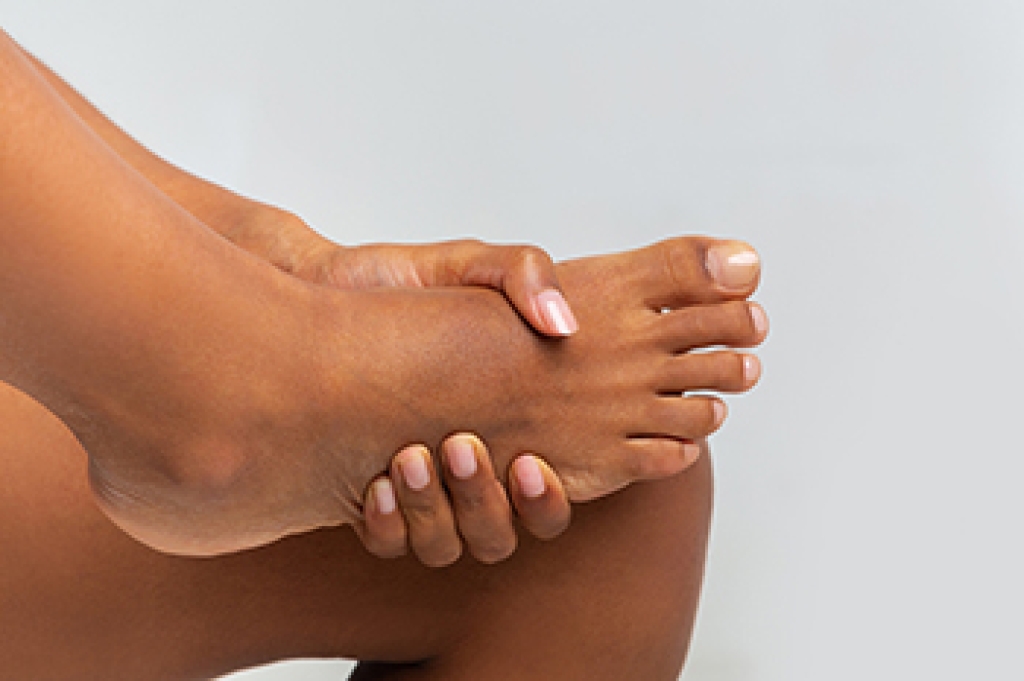
Multiple sclerosis, or MS, can significantly impact foot health due to its effects on the nervous system, leading to various symptoms. Common foot issues can include numbness or tingling, muscle weakness, and difficulty with balance and coordination. These symptoms can contribute to challenges in walking, increased risk of falls, and potential development of foot deformities like claw toes or foot drop. Managing MS-related foot issues involves a multidisciplinary approach, with visiting a podiatrist as an essential part. Podiatrists can assess foot function, and recommend appropriate footwear to improve stability and reduce pressure points. Regular podiatric care helps individuals with MS maintain optimal foot health, minimizing discomfort and improving mobility. If you have multiple sclerosis, it is suggested you visit a podiatrist who can help you manage this condition as it affects your feet.
Some foot conditions may require additional professional care. If you have any concerns, contact our podiatrists of Superior Foot & Ankle Center. Our doctors can provide the care you need to keep you pain-free and on your feet.
Rare Foot Conditions
The majority of foot conditions are common and can be treated by a podiatrist. Standard diagnostic procedures are generally used to identify specific conditions and treatment can be rendered. A podiatrist also treats rare foot conditions which can be difficult to diagnose and may need extra attention and care.
There are many rare foot conditions that can affect children. Some of these can include:
Freiberg’s disease - This can be seen as a deterioration and flattening of a metatarsal bone that exists in the ball of the foot. It typically affects pre-teen and teenage girls, but can affect anyone at any age. Symptoms that can accompany this can be swelling, stiffness, and the patient may limp.
Kohler’s disease - This often targets the bone in the arch of the foot and affects younger boys. It can lead to an interruption of the blood supply which ultimately can lead to bone deterioration. The patient may limp or experience tenderness, swelling, and redness.
Maffucci syndrome - This affects the long bones in a child’s foot leading to the development of abnormal bone lesions. They are benign growths and typically develop in early childhood and the bones may be susceptible to breaking.
A podiatrist can properly diagnose and treat all types of rare foot conditions. If your child is affected by any of these symptoms or conditions, please don’t hesitate to call our office so the correct treatment method can begin.
If you have any questions, please feel free to contact our office located in Long Beach, CA . We offer the newest diagnostic and treatment technologies for all your foot care needs.
 Heel pain, often linked to conditions such as plantar fasciitis, is a prevalent complaint that affects the bottom or back of the heel. This pain typically results from inflammation, overuse, or injury to the plantar fascia, a thick band of tissue that supports the arch of the foot. Factors contributing to heel pain include excessive walking or standing, wearing improper footwear, obesity, and age-related changes. The pain is usually sharp and most intense during the first steps in the morning or after long periods of rest. It can significantly interfere with daily activities, making walking, exercising, and even standing difficult. Diagnosis involves a physical examination, patient history, and sometimes imaging tests like X-rays or MRI scans to rule out fractures or other issues. Treatment typically includes rest, anti-inflammatory medications, and stretching exercises. Custom orthotics and targeted stretching exercises may also be recommended. If you have persistent or severe heel pain, it is suggested that you schedule an appointment with a podiatrist for specialized care and treatment.
Many people suffer from bouts of heel pain. For more information, contact our podiatrists of Superior Foot & Ankle Center. Our doctors can provide the care you need to keep you pain-free and on your feet.
Causes of Heel Pain
Heel pain is often associated with plantar fasciitis. The plantar fascia is a band of tissues that extends along the bottom of the foot. A rip or tear in this ligament can cause inflammation of the tissue.
Achilles tendonitis is another cause of heel pain. Inflammation of the Achilles tendon will cause pain from fractures and muscle tearing. Lack of flexibility is also another symptom.
Heel spurs are another cause of pain. When the tissues of the plantar fascia undergo a great deal of stress, it can lead to ligament separation from the heel bone, causing heel spurs.
Why Might Heel Pain Occur?
Treatments
Heel pain should be treated as soon as possible for immediate results. Keeping your feet in a stress-free environment will help. If you suffer from Achilles tendonitis or plantar fasciitis, applying ice will reduce the swelling. Stretching before an exercise like running will help the muscles. Using all these tips will help make heel pain a condition of the past.
If you have any questions, please feel free to contact our office located in Long Beach, CA . We offer the newest diagnostic and treatment technologies for all your foot care needs.
Connect With Us
