Explaining How Corns Develop

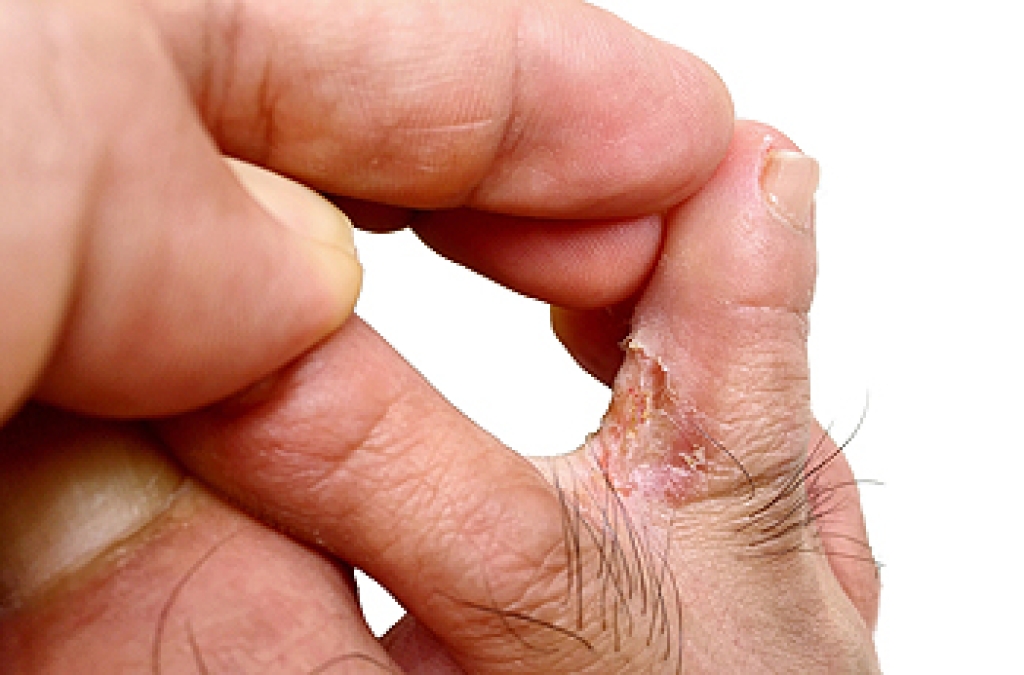
Corns are small areas of thickened skin that develop when the feet are exposed to repeated pressure or friction. They commonly form on the top and side of the toes or other areas of the foot that rub against shoes. Corns often appear as hard, raised bumps and can become painful, especially when walking, standing, or wearing certain types of shoes. Other symptoms include tenderness, redness, and sensitivity around the affected area. Corns are frequently caused by shoes that fit poorly, but they can also result from foot structure problems that place extra pressure on specific areas. For instance, high arches, hammertoes, or bunions can increase the risk. There are different types of corns, including hard corns, which are typically found on the toes, and soft corns, which develop between the toes where moisture is present. A podiatrist can safely remove painful corns and identify the underlying cause. Recommendations to help prevent corns from returning include footwear changes, padding, or custom orthotics. If you have a painful corn on your foot, it is suggested that you schedule an appointment with a podiatrist for an exam and treatment.

Corns can make walking very painful and should be treated immediately. If you have questions regarding your feet and ankles, contact our podiatrists of Superior Foot & Ankle Center. Our doctors will treat your foot and ankle needs.

Corns: What Are They? And How Do You Get Rid of Them?
Corns are thickened areas on the skin that can become painful. They are caused by excessive pressure and friction on the skin. Corns press into the deeper layers of the skin and are usually round in shape.

Ways to Prevent Corns
There are many ways to get rid of painful corns such as:

  • Wearing properly fitting shoes that have been measured by a professional
  • Wearing shoes that are not sharply pointed or have high heels
  • Wearing only shoes that offer support

Treating Corns

Although most corns slowly disappear when the friction or pressure stops, this isn’t always the case. Consult with your podiatrist to determine the best treatment option for your case of corns.

If you have any questions, please feel free to contact our office located in Long Beach, CA . We offer the newest diagnostic and treatment technologies for all your foot care needs.


Read more about Corns: What Are They, and How Do You Get Rid of Them

How Achilles Tendon Problems Progress

Achilles tendinopathy is a condition affecting the strong tendon that connects the calf muscles to the heel. Early changes often involve irritation from sudden increases in activity or repeated strain, causing pain, stiffness, and tenderness, especially after movement. If stress continues, the tendon may begin to lose its normal structure, making healing less efficient and symptoms more persistent. Over time, long-standing damage can develop, with thickening, weakness, and ongoing discomfort that may limit walking, exercise, or daily activity. At this stage, the tendon is more vulnerable to serious injury. Because symptoms can worsen gradually, many people delay treatment until the condition becomes harder to manage. A podiatrist can evaluate tendon function, identify contributing movement patterns, and recommend treatment based on how advanced the condition has become. If you have recurring pain or stiffness near the back of the heel, it is strongly suggested that you visit a podiatrist for an evaluation.

Achilles tendon injuries need immediate attention to avoid future complications. If you have any concerns, contact our podiatrists of Superior Foot & Ankle Center. Our doctors can provide the care you need to keep you pain-free and on your feet.

What Is the Achilles Tendon?

The Achilles tendon is a tendon that connects the lower leg muscles and calf to the heel of the foot. It is the strongest tendon in the human body and is essential for making movement possible. Because this tendon is such an integral part of the body, any injuries to it can create immense difficulties and should immediately be presented to a doctor.

What Are the Symptoms of an Achilles Tendon Injury?

There are various types of injuries that can affect the Achilles tendon. The two most common injuries are Achilles tendinitis and ruptures of the tendon.

Achilles Tendinitis Symptoms

  • Inflammation
  • Dull to severe pain
  • Increased blood flow to the tendon
  • Thickening of the tendon

Rupture Symptoms

  • Extreme pain and swelling in the foot
  • Total immobility

Treatment and Prevention

Achilles tendon injuries are diagnosed by a thorough physical evaluation, which can include an MRI. Treatment involves rest, physical therapy, and in some cases, surgery. However, various preventative measures can be taken to avoid these injuries, such as:

  • Thorough stretching of the tendon before and after exercise
  • Strengthening exercises like calf raises, squats, leg curls, leg extensions, leg raises, lunges, and leg presses

If you have any questions please feel free to contact our office located in Long Beach, CA . We offer the newest diagnostic tools and technology to treat your foot and ankle needs.

Read more about The Causes, Types, and Treatments of Achilles Tendon Injuries

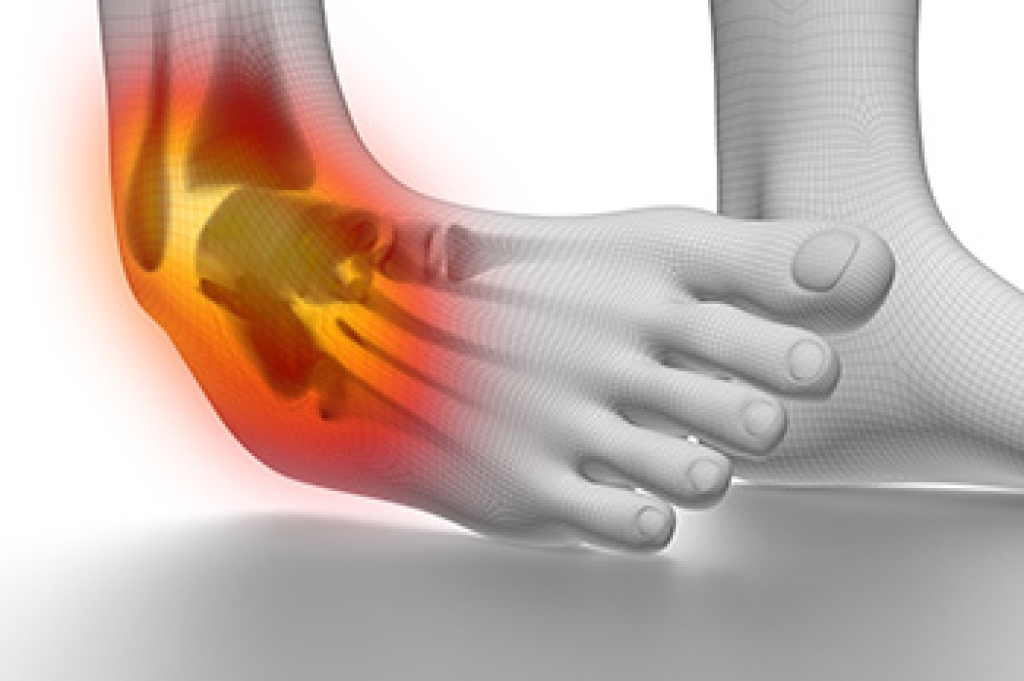
What Happens During an Ankle Sprain

An ankle sprain is an injury that occurs when the ligaments that support the ankle are stretched or torn. It often happens during a sudden twist, misstep, or awkward landing that forces the joint out of its normal position. This condition may appear with swelling, bruising, tenderness, and difficulty bearing weight on the affected foot. Some people feel instability or a popping sensation at the time of injury. While sprains can range from mild to severe, proper evaluation is important to rule out fractures or long-term damage. A podiatrist can assess the severity through a physical examination and imaging tests, then guide treatment to support healing and restore stability. Early care helps prevent chronic weakness or repeated injury.  If you have symptoms of an ankle sprain, it is suggested that you consult a podiatrist who can offer effective relief and treatment solutions.

Ankle sprains are common but need immediate attention. If you need your feet checked, contact our podiatrists from Superior Foot & Ankle Center. Our doctors can provide the care you need to keep you pain-free and on your feet.

How Does an Ankle Sprain Occur?

Ankle sprains take place when the ligaments in your ankle are torn or stretched beyond their limits. There are multiple ways that the ankle can become injured, including twisting or rolling over onto your ankle, putting undue stress on it, or causing trauma to the ankle itself.

What Are the Symptoms?

  • Mild to moderate bruising
  • Limited mobility
  • Swelling
  • Discoloration of the skin (depending on severity)

Preventing a Sprain

  • Wearing appropriate shoes for the occasion
  • Stretching before exercises and sports
  • Knowing your limits

Treatment of a Sprain

Treatment of a sprain depends on the severity.  Many times, people are told to rest and remain off their feet completely, while others are given an air cast. If the sprain is very severe, surgery may be required.

If you have suffered an ankle sprain previously, you may want to consider additional support such as a brace and regular exercises to strengthen the ankle.

If you have any questions please feel free to contact our office located in Long Beach, CA . We offer the newest diagnostic tools and technology to treat your foot and ankle needs.

Read more about Three Grades of Ankle Sprains

Finding the Perfect Running Form for Marathon Success

Achieving the perfect running form for marathon running starts with proper foot support and efficient movement. Choosing the best running shoes depends on terrain and the shape of your arches. Pronated feet roll inward, neutral feet maintain balanced alignment, and supinated feet roll outward, each requiring different support. A smooth foot strike, where the foot lands gently and evenly, helps reduce stress and improve endurance. Additionally, good posture and steady rhythm also play a role in preventing injury over long distances. Risk of discomfort can increase with poor footwear or improper mechanics. A podiatrist can assess your gait, recommend the right shoes, and prescribe custom orthotics to address gait issues. If you have developed foot pain from running, it is suggested that you consult a podiatrist who can provide a diagnosis and appropriate treatment.

If you are a runner, wearing the right running shoe is essential. For more information, contact our podiatrists from Superior Foot & Ankle Center. Our doctors can provide the care you need to keep you pain-free and on your feet.

Choosing the Right Running Shoe for Your Foot Type

To increase performance and avoid the risk of injury, it is important to choose the right running shoe based on your foot type. The general design of running shoes revolves around pronation, which is how the ankle rolls from outside to inside when the foot strikes the ground.

  • Neutral runners are able to choose from a wide variety of shoes, including minimalist shoes or even going barefoot.
  • Runners who overpronate, or experience an over-abundance of ankle rolling, should choose shoes that provide extra motion control and stability.
  • Runners who underpronate, or supinate, have feet that have high arches and lack flexibility, preventing shock absorption. They require shoes with more flexibility and cushion.

If you have any questions, please feel free to contact our office located in Long Beach, CA . We offer the newest diagnostic and treatment technologies for all your foot care needs.

Read more about Walking Shoes vs. Running Shoes

Connect With Us