
Painful deformities, such as hammertoes, can be treated. Stop living with foot pain, and have beautiful feet again!
Painful deformities, such as hammertoes, can be treated. Stop living with foot pain, and have beautiful feet again!
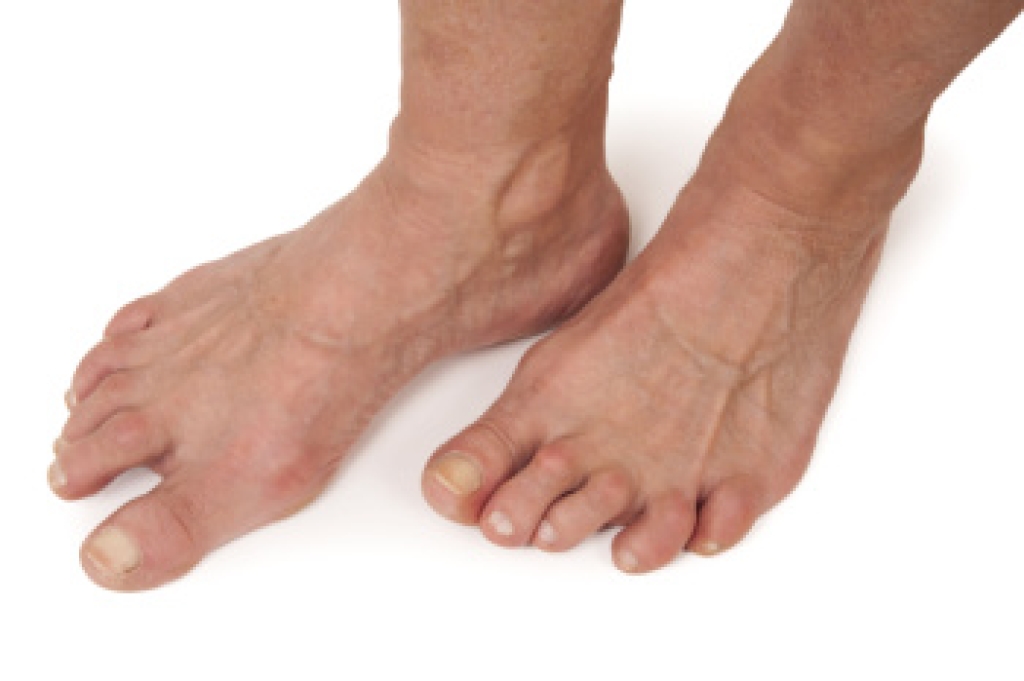
Rheumatoid arthritis is an autoimmune disease that can affect many joints throughout the body, including the feet and ankles. This occurs when the immune system mistakenly attacks healthy tissues, causing inflammation inside the joints. Because the feet contain many small joints that work together with every step, rheumatoid arthritis can make walking and standing increasingly difficult. Ongoing inflammation may damage cartilage, weaken surrounding tissues, and change the shape of the foot. Some people notice symptoms in the feet before other joints become affected. Since early treatment can help reduce joint damage and preserve mobility, a professional evaluation is important when foot pain or stiffness develops without an obvious cause.
Foot symptoms vary from person to person and may change as the disease progresses. Many people experience pain, swelling, or stiffness in the toes or the ball of the foot. Others notice warmth around the joints or tenderness that makes wearing shoes uncomfortable. Morning stiffness may last longer than expected and improve gradually as the joints begin moving. As rheumatoid arthritis advances, changes in joint alignment may affect balance, walking, and overall foot function. Persistent inflammation can also increase pressure on certain areas of the foot, leading to additional discomfort during daily activities. Identifying rheumatoid arthritis early may help protect the joints and improve long-term foot health.
A podiatrist plays an important role in managing the foot problems associated with rheumatoid arthritis. During an examination, the podiatrist evaluates joint function, foot structure, and walking mechanics to determine how the disease is affecting mobility. Treatment focuses on relieving pain, improving foot function, and helping reduce stress on the affected joints. A podiatrist may also work closely with your primary care provider or rheumatologist to support comprehensive care. Regular podiatry visits can help monitor changes in the feet and identify problems before they become more severe. If you are experiencing foot pain, swelling, or stiffness related to rheumatoid arthritis, it is suggested that you consult a podiatrist for an evaluation and appropriate treatment options.
Because RA affects more than just your joints, including the joints in your feet and ankles, it is important to seek early diagnosis from your podiatrist if you feel like the pain in your feet might be caused by RA. For more information, contact our podiatrists of Superior Foot & Ankle Center. Our doctors will assist you with all of your podiatric concerns.
What Is Rheumatoid Arthritis?
Rheumatoid Arthritis (RA) is an autoimmune disorder in which the body’s own immune system attacks the membranes surrounding the joints. Inflammation of the lining and eventually the destruction of the joint’s cartilage and bone occur, causing severe pain and immobility.
Rheumatoid Arthritis of the Feet
Although RA usually attacks multiple bones and joints throughout the entire body, almost 90 percent of cases result in pain in the foot or ankle area.
Symptoms
Diagnosis
Quick diagnosis of RA in the feet is important so that the podiatrist can treat the area effectively. Your doctor will ask you about your medical history, occupation, and lifestyle to determine the origin of the condition. Rheumatoid Factor tests help to determine if someone is affected by the disease.
If you have any questions, please feel free to contact our office located in Long Beach, CA . We offer the newest diagnostic and treatment technologies for all your foot care needs.

Choosing the right running shoes helps protect your feet and lowers the chance of painful injuries. A properly fitted shoe gives your toes enough room to move. Meanwhile, the midfoot and heel should be snug but not tight. About a thumb's width of space between your longest toe and the end of the shoe helps prevent bruised toenails and pressure. Shoes that are too narrow can cause tingling, numbness, and painful rubbing. Shoes that are too short can lead to bruised toes. Additionally, shoes that are too wide can allow your foot to slide, increasing the risk of blisters on the ball of the foot. A podiatrist can examine your feet, identify your foot shape, and recommend running shoes that match your needs and running style.
Finding the best fit takes more than trying on the first pair that feels comfortable. Shop later in the day because your feet naturally become slightly larger by evening. Wear the same socks you plan to use while running. Bring custom orthotics if you use them because they affect shoe fit. Always fit the larger foot first because one foot is usually a bit bigger than the other. Foot size also changes with age, weight gain or loss, pregnancy, and previous surgery.
After buying running shoes, pay close attention to how they feel on your first few runs. Blisters on top of or between the toes usually mean the shoes are too small. Heel blisters can mean the heel area is too loose. Tingling or numbness points to shoes that are too narrow or lack enough space. Ignoring these warning signs can lead to ongoing discomfort and foot problems. A podiatrist can evaluate your running gait, recommend appropriate shoe features, and determine whether orthotics would improve comfort and support. If you have foot pain after running, it is suggested that you schedule an appointment with a podiatrist for effective relief and treatment solutions.
It is important to find shoes that fit you properly in order to avoid a variety of different foot problems. For more information about treatment, contact our podiatrists from Superior Foot & Ankle Center. Our doctors will treat your foot and ankle needs.
Proper Shoe Fitting
Shoes have many different functions. They cushion our body weight, protect our feet, and allow us to safely play sports. You should always make sure that the shoes you wear fit you properly in order to avoid injuries and deformities such as: bunions, corns, calluses, hammertoes, plantar fasciitis, stress fractures, and more. It is important to note that although a certain pair of shoes might be a great fit for someone else, that doesn’t mean they will be a great fit for you. This is why you should always try on shoes before buying them to make sure they are worth the investment. Typically, shoes need to be replaced ever six months to one year of regular use.
Tips for Proper Shoe Fitting
The shoes you buy should always feel as good as they look. Shoes that fit properly will last longer, feel better, and improve your way of life each day.
If you have any questions please contact our office located in Long Beach, CA . We offer the newest diagnostic and treatment technologies for all your foot and ankle needs.
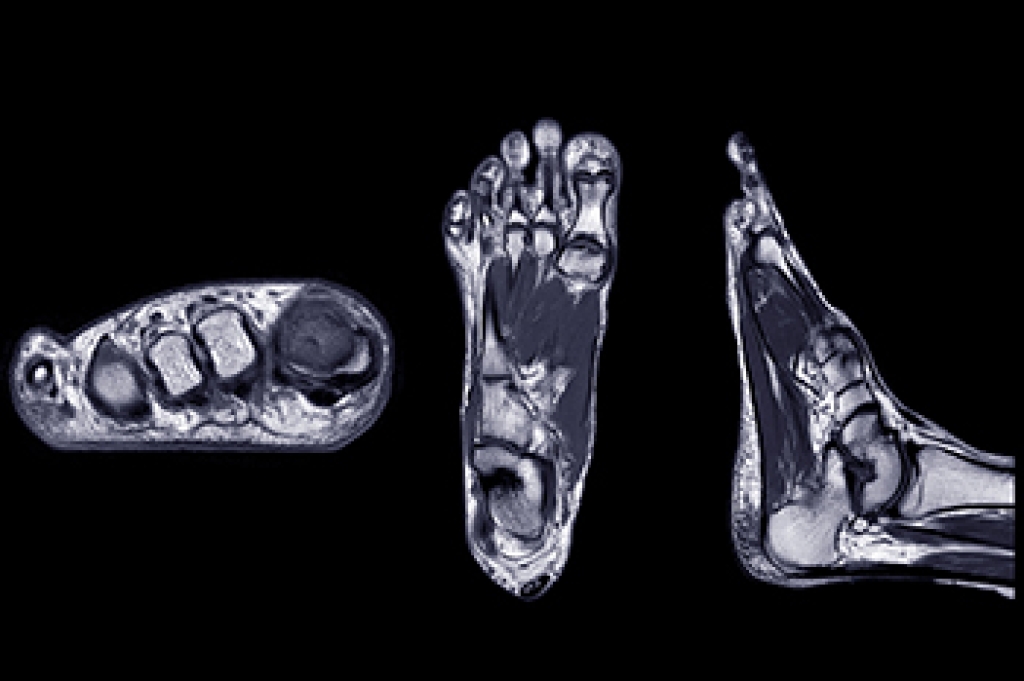
Osteomyelitis is a serious bone infection that can affect the feet and ankles. It can begin when bacteria enter through a wound, ulcer, or deep cut. People with diabetes, poor circulation, or reduced feeling in the feet face a higher risk. Because sensation can be limited, a small sore can become infected before pain is noticed. Warning signs can include swelling, redness, and drainage from a wound. Some patients also develop fever or deep foot pain. In the foot, osteomyelitis can damage bone and nearby tissue when it is not treated promptly.
A podiatrist can help identify osteomyelitis through a careful foot exam and a review of your health history. The exam includes checking the wound, skin color, and blood flow. It also includes looking for areas of pressure that can slow healing. X-rays can show bone changes, but early infection does not always appear right away. An MRI, which creates detailed pictures of bone and soft tissue, can help confirm the diagnosis. Lab tests can also help find the type of bacteria causing the infection.
Treatment depends on how severe the infection is and how much bone is involved. A podiatrist can clean the wound, remove damaged tissue, and coordinate antibiotic treatment. Antibiotics are medicines that fight bacterial infection. In some cases, surgery is needed to remove infected bone and protect the rest of the foot. A podiatrist can also help reduce pressure on the affected area with medical padding, special shoes, or a custom device. Prompt care is important because osteomyelitis can lead to long-term foot damage. If you have symptoms of osteomyelitis, it is suggested that you make an appointment with a podiatrist for diagnosis and treatment.
Foot Pain
Foot pain can be extremely painful and debilitating. If you have a foot pain, consult with our podiatrists from Superior Foot & Ankle Center. Our doctors will assess your condition and provide you with quality foot and ankle treatment.
Causes
Foot pain is a very broad condition that could be caused by one or more ailments. The most common include:
Diagnosis
To figure out the cause of foot pain, podiatrists utilize several different methods. This can range from simple visual inspections and sensation tests to X-rays and MRI scans. Prior medical history, family medical history, and any recent physical traumatic events will all be taken into consideration for a proper diagnosis.
Treatment
Treatment depends upon the cause of the foot pain. Whether it is resting, staying off the foot, or having surgery; podiatrists have a number of treatment options available for foot pain.
If you have any questions, please feel free to contact our office located in Long Beach, CA . We offer the newest diagnostic and treatment technologies for all your foot care needs.
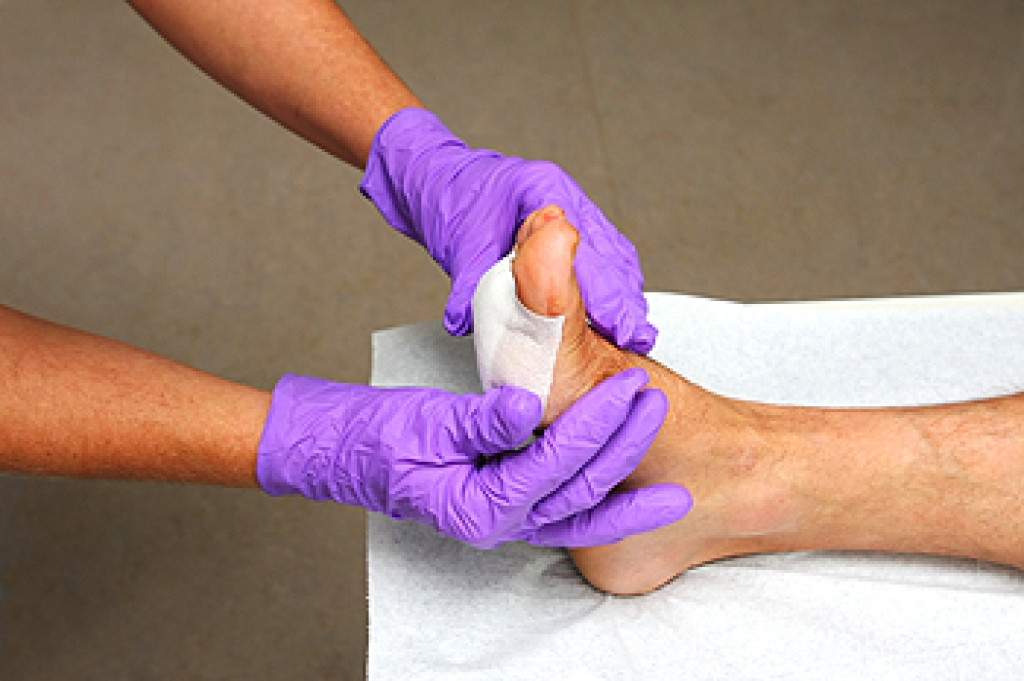
Foot wounds should never be ignored, because even a small injury can become a serious problem if it does not heal properly. A foot wound may include a cut, blister, skin tear, or sore that affects the skin and underlying tissue. These wounds can develop from pressure, friction, injury, or another foot condition. People with diabetes, poor circulation, or reduced feeling in their feet have a greater risk because they may not notice an injury right away. Common warning signs include redness, swelling, and drainage. If left untreated, a wound may become infected or take much longer to heal. Receiving prompt professional foot wound care can help reduce the risk of complications and support healthy healing.
A podiatrist carefully evaluates the wound to determine its size, depth, and overall condition before creating a personalized treatment plan. They also check for signs of infection or poor circulation that could slow the healing process. Treatment may include removing damaged tissue, applying specialized dressings, and reducing pressure on the affected area. Follow-up visits allow the podiatrist to monitor healing and adjust treatment when needed. Professional wound care is especially important for people with diabetes and others who have a higher risk of delayed healing or infection.
Early treatment gives foot wounds the best chance to heal while helping prevent more serious complications. Delaying care may allow the wound to worsen. This increases the risk of infection and damage to surrounding tissue. Regular evaluations by a podiatrist support healing and help protect long-term foot health. Whether a wound is minor or more advanced, professional care provides the treatment and monitoring needed for recovery. If you have a foot wound or notice signs of infection, it is suggested that you consult a podiatrist for an evaluation and appropriate treatment options.
Wound care is an important part in dealing with diabetes. If you have diabetes and a foot wound or would like more information about wound care for diabetics, consult with our podiatrists from Superior Foot & Ankle Center. Our doctors will assess your condition and provide you with quality foot and ankle treatment.
What Is Wound Care?
Wound care is the practice of taking proper care of a wound. This can range from the smallest to the largest of wounds. While everyone can benefit from proper wound care, it is much more important for diabetics. Diabetics often suffer from poor blood circulation which causes wounds to heal much slower than they would in a non-diabetic.
What Is the Importance of Wound Care?
While it may not seem apparent with small ulcers on the foot, for diabetics, any size ulcer can become infected. Diabetics often also suffer from neuropathy, or nerve loss. This means they might not even feel when they have an ulcer on their foot. If the wound becomes severely infected, amputation may be necessary. Therefore, it is of the upmost importance to properly care for any and all foot wounds.
How to Care for Wounds
The best way to care for foot wounds is to prevent them. For diabetics, this means daily inspections of the feet for any signs of abnormalities or ulcers. It is also recommended to see a podiatrist several times a year for a foot inspection. If you do have an ulcer, run the wound under water to clear dirt from the wound; then apply antibiotic ointment to the wound and cover with a bandage. Bandages should be changed daily and keeping pressure off the wound is smart. It is advised to see a podiatrist, who can keep an eye on it.
If you have any questions please contact our office located in Long Beach, CA . We offer the newest diagnostic and treatment technologies for all your foot and ankle needs.
Connect With Us
