
What Is Medial Tibial Stress Syndrome?

Medial tibial stress syndrome (MTSS), more commonly known as shin splints, is an injury to the shin bone that occurs due to excess pressure being placed on it during physical activity. Shin splints are characterized by pain, tenderness, or soreness on the inside of the lower leg bone, particularly during exercise. Shin splints are typically treated through conservative methods. You may be encouraged to rest the injured leg, taking pressure off of it and giving it time to heal. Applying ice to the affected leg and taking over-the-counter medications can help reduce pain. Doing strengthening and stretching exercises may also help. To prevent shin splints, you should make sure that your shoes fit well and are supportive. When exercising, increase the length and intensity of your workouts slowly over time to avoid placing too much stress on the shin bones. For more information about shin splints, please consult with a podiatrist. 

Sports related foot and ankle injuries require proper treatment before players can go back to their regular routines. For more information, contact our podiatrists of Superior Foot & Ankle Center. Our doctors can provide the care you need to keep you pain-free and on your feet.

Sports Related Foot and Ankle Injuries

Foot and ankle injuries are a common occurrence when it comes to athletes of any sport. While many athletes dismiss the initial aches and pains, the truth is that ignoring potential foot and ankle injuries can lead to serious problems. As athletes continue to place pressure and strain the area further, a mild injury can turn into something as serious as a rupture and may lead to a permanent disability. There are many factors that contribute to sports related foot and ankle injuries, which include failure to warm up properly, not providing support or wearing bad footwear. Common injuries and conditions athletes face, including:

  • Plantar Fasciitis
  • Achilles Tendinitis
  • Achilles Tendon Rupture
  • Ankle Sprains

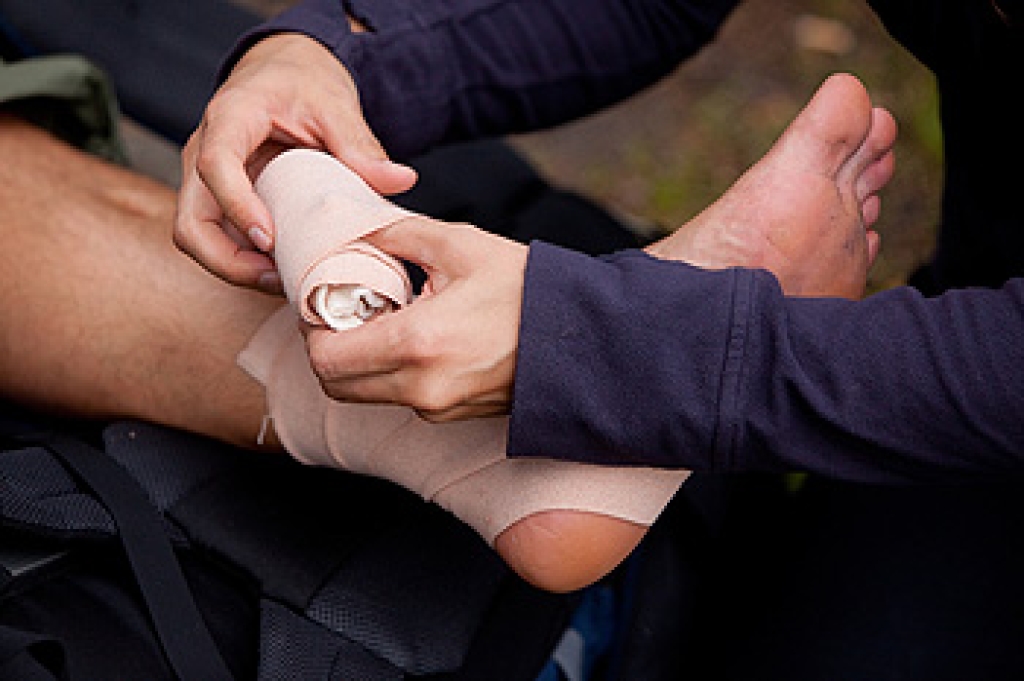
Sports related injuries are commonly treated using the RICE method. This includes rest, applying ice to the injured area, compression and elevating the ankle. More serious sprains and injuries may require surgery, which could include arthroscopic and reconstructive surgery. Rehabilitation and therapy may also be required in order to get any recovering athlete to become fully functional again. Any unusual aches and pains an athlete sustains must be evaluated by a licensed, reputable medical professional.

If you have any questions please contact our office located in Long Beach, CA . We offer the newest diagnostic and treatment technologies for all your foot and ankle needs.
Read more about Sports Related Foot And Ankle Injuries

Two Types of Ankle Sprains

The talus, tibia, and fibula bones reside in the ankle and work together to facilitate movement of the foot in all directions. There are strong ligaments on the inside and outside of the ankle which bind and support these bones, as well as the connection between the ankle and lower leg. When these ligaments become overly stretched or even torn during an injury, this is known as an ankle sprain. Ankle sprains are the most common form of ankle injury and can occur when the ankle rolls outward (inversion sprain) or inward (eversion sprain). Inversion sprains, which are more likely to occur, affect the ligaments on the outside of the ankle. Conversely, an eversion sprain affects the ligaments on the inside of the ankle. Ankle sprains may cause mild to severe pain, swelling, decreased range of motion, and possibly limited—or no—ability to walk. Because improperly healed ankle sprains can lead to additional ankle sprains, chronic ankle stability, and even arthritis, it is wise to see a podiatrist when you believe you have sprained your ankle. They will be able to properly diagnose your condition and its severity, and effectively treat it.

Ankle sprains are common but need immediate attention. If you need your feet checked, contact our podiatrists from Superior Foot & Ankle Center. Our doctors can provide the care you need to keep you pain-free and on your feet.

How Does an Ankle Sprain Occur?

Ankle sprains take place when the ligaments in your ankle are torn or stretched beyond their limits. There are multiple ways that the ankle can become injured, including twisting or rolling over onto your ankle, putting undue stress on it, or causing trauma to the ankle itself.

What Are the Symptoms?

  • Mild to moderate bruising
  • Limited mobility
  • Swelling
  • Discoloration of the skin (depending on severity)

Preventing a Sprain

  • Wearing appropriate shoes for the occasion
  • Stretching before exercises and sports
  • Knowing your limits

Treatment of a Sprain

Treatment of a sprain depends on the severity.  Many times, people are told to rest and remain off their feet completely, while others are given an air cast. If the sprain is very severe, surgery may be required.

If you have suffered an ankle sprain previously, you may want to consider additional support such as a brace and regular exercises to strengthen the ankle.

If you have any questions please feel free to contact our office located in Long Beach, CA . We offer the newest diagnostic and treatment technologies for all your foot and ankle needs.

Read more about Ankle Sprains

Why the Ball of Your Foot Feels Like It Is on Fire

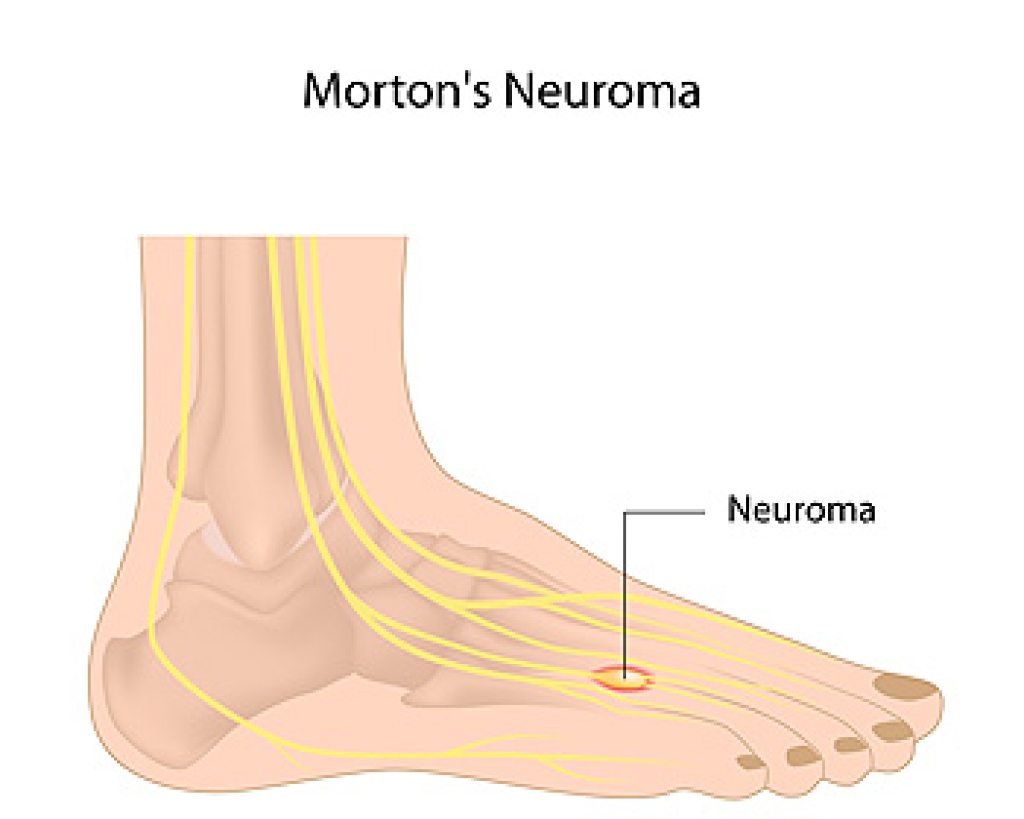
Morton’s neuroma occurs when the tissue surrounding a nerve in the toes thickens in response to the nerve becoming entrapped, or otherwise irritated. This usually occurs between the third and fourth toes, however, it can also occur between the second and third toes. Morton’s neuroma can cause a burning pain in the ball of the foot. People with this condition sometimes explain the pain they feel as walking on a pebble or having a bunched-up sock in the front of their shoe. The toes may also feel numb or tingling, and there may be difficulty walking. Wearing shoes that are too tight or that compress your toes may sometimes contribute to the formation of Morton’s neuroma. This can include ski boots and ballet slippers too. Other foot dysfunctions that squeeze or put pressure on the toes can be contributing factors, such as flat feet, bunions, hammertoes, and high arches. Certain repetitive sporting activities may also be responsible. If you ever experience any of the symptoms mentioned here, call a podiatrist. They will examine you and run diagnostics to rule out other possible conditions and create a treatment plan to relieve pain and treat the underlying thickened tissue and nerve compression.

Morton’s neuroma is a very uncomfortable condition to live with. If you think you have Morton’s neuroma, contact our podiatrists of Superior Foot & Ankle Center. Our doctors will attend to all of your foot care needs and answer any of your related questions.  

Morton’s Neuroma

Morton's neuroma is a painful foot condition that commonly affects the areas between the second and third or third and fourth toe, although other areas of the foot are also susceptible. Morton’s neuroma is caused by an inflamed nerve in the foot that is being squeezed and aggravated by surrounding bones.

What Increases the Chances of Having Morton’s Neuroma?

  • Ill-fitting high heels or shoes that add pressure to the toe or foot
  • Jogging, running or any sport that involves constant impact to the foot
  • Flat feet, bunions, and any other foot deformities

Morton’s neuroma is a very treatable condition. Orthotics and shoe inserts can often be used to alleviate the pain on the forefront of the feet. In more severe cases, corticosteroids can also be prescribed. In order to figure out the best treatment for your neuroma, it’s recommended to seek the care of a podiatrist who can diagnose your condition and provide different treatment options.

If you have any questions, please feel free to contact our office located in Long Beach, CA . We offer the newest diagnostic and treatment technologies for all your foot care needs.

Read more about Morton's Neuroma

Obesity and Children’s Foot Health

It is well known that obesity can affect an adult’s foot health, but did you know that being obese can also impact the health of a child’s feet? Obese children are at an increased risk of developing various foot problems, such as changes in foot biomechanics and walking patterns. Children who are obese tend to put far more load on their metatarsal bones than their healthy weight counterparts. This may increase the risk of foot injuries and acquired flat feet. If your child complains of foot pain, it is suggested that you schedule an appointment with a podiatrist.

Obesity has become very problematic at this point in time and can have extremely negative effects on the feet. If you’re an obese individual and are concerned about your feet, contact our podiatrists from Superior Foot & Ankle Center. Our doctors can provide the care you need to keep you pain-free and on your feet.

Obesity and Your Feet

Since your feet are what support your entire weight when standing, any additional weight can result in pain and swelling. Being overweight is one of the main contributors to foot complications.

Problems & Complications

Extra Weight – Even putting on just a few extra pounds could create serious complications for your feet. As your weight increases, your balance and body will shift, creating new stresses on your feet. This uneven weight distribution can cause pain, even while doing the simplest tasks, such as walking.

Diabetes – People who are overweight are at serious risk of developing type-2 diabetes, which has a drastic impact on the health of your feet. As you get older, your diabetes might worsen, which could lead to loss of feeling in your feet, sores, and bruises. You could also become more prone to various infections.

Plantar fasciitis – Pressure and stress that is placed on muscles, joints, and tendons can trigger plantar fasciitis, which is an inflammation of tissue that forms along the bottom of the foot. 

If you have any questions, please feel free to contact our office located in Long Beach, CA . We offer the newest diagnostic and treatment technologies for all your foot care needs.

Read more about How Obesity Affects Your Feet

Get Professional Care for a Broken Foot or Ankle

Constant care and regular evaluation are important for a foot or ankle fracture. If left untreated, foot or ankle fractures can worsen over time and create more serious problems.

Don't wait to be examined if you believe you've experienced a foot or ankle fracture.

Connect With Us