
Although flip-flops are popular for the summer, it's important to walk carefully while wearing them. Flip-flops have little to no foot support, which can further lead to a potential injury if not careful.
Although flip-flops are popular for the summer, it's important to walk carefully while wearing them. Flip-flops have little to no foot support, which can further lead to a potential injury if not careful.
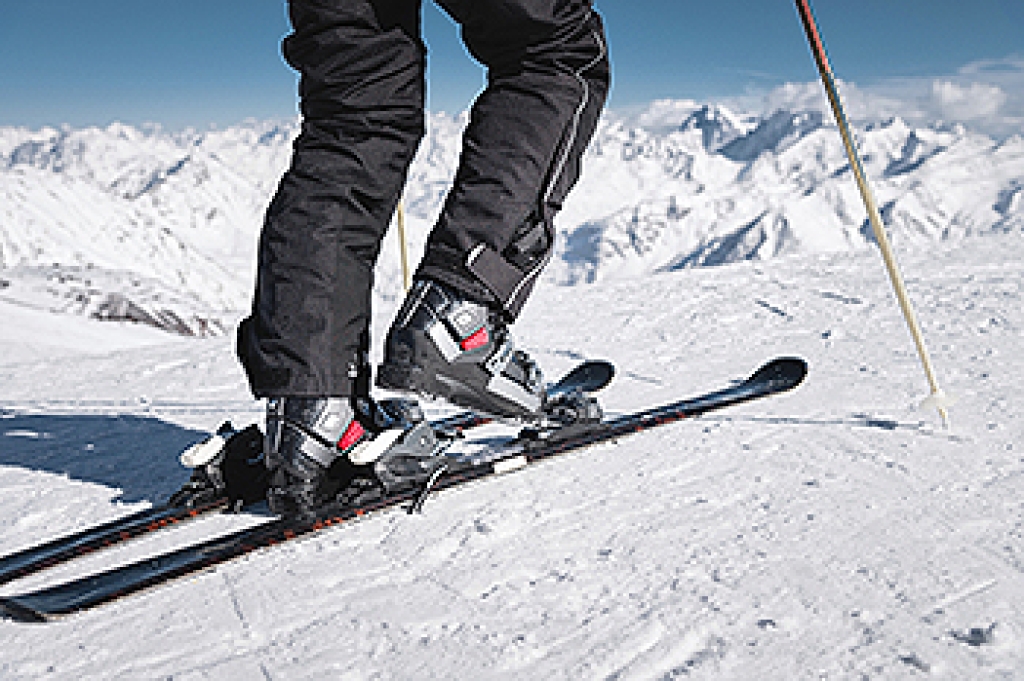
Skiing relies heavily on the coordinated function of the feet for balance, control, and power. The toes grip and engage the ski boots, while the arches provide stability and absorb shock. When turning or shifting weight, the feet guide the skis, ensuring smooth transitions and precise movements. Proper foot alignment is essential for effective weight distribution, improving performance and reducing fatigue. Incorrect biomechanics, such as poor alignment or uneven weight distribution, can lead to foot problems or injuries. Conditions like overpronation or supination may strain muscles and ligaments, causing pain or instability. These imbalances can result in long-term damage if not addressed. If you have experienced a foot injury while skiing, it is suggested that you visit a podiatrist. They can treat various foot conditions and offer guidance on improving foot technique, ensuring a safer and more effective skiing experience.
If you have any concerns about your feet, contact our podiatrists from Superior Foot & Ankle Center. Our doctors can provide the care you need to keep you pain-free and on your feet.
Biomechanics in Podiatry
Podiatric biomechanics is a particular sector of specialty podiatry with licensed practitioners who are trained to diagnose and treat conditions affecting the foot, ankle and lower leg. Biomechanics deals with the forces that act against the body, causing an interference with the biological structures. It focuses on the movement of the ankle, the foot and the forces that interact with them.
A History of Biomechanics
Modern technological improvements are based on past theories and therapeutic processes that provide a better understanding of podiatric concepts for biomechanics. Computers can provide accurate information about the forces and patterns of the feet and lower legs.
Understanding biomechanics of the feet can help improve and eliminate pain, stopping further stress to the foot.
If you have any questions please feel free to contact our office located in Long Beach, CA . We offer the newest diagnostic and treatment technologies for all your foot and ankle needs.
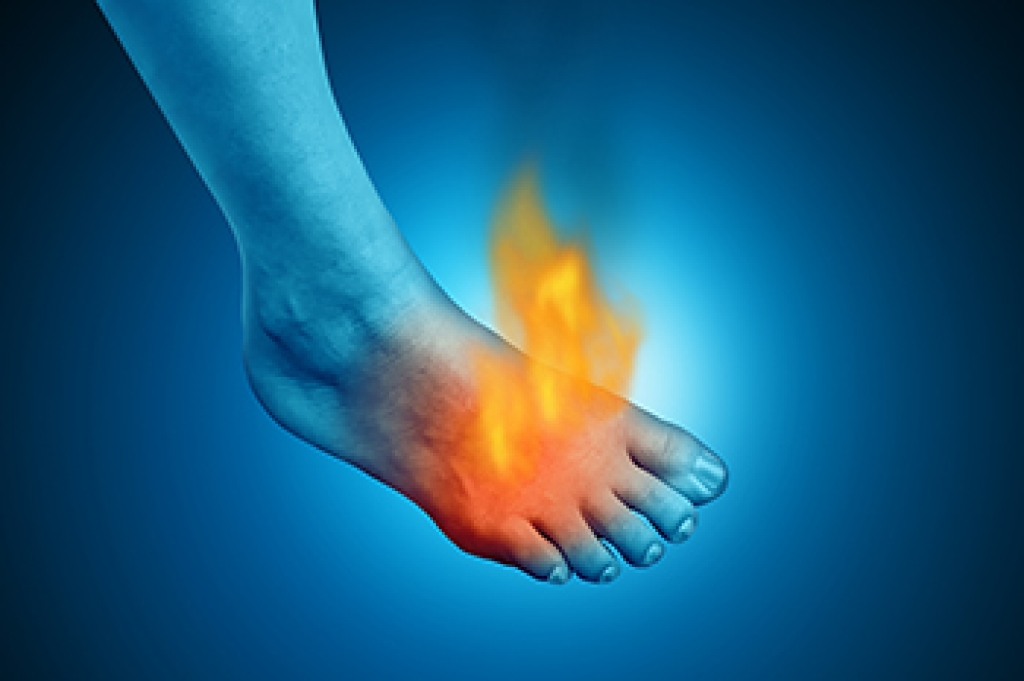
Erythromelalgia is a rare condition marked by severe burning pain, redness, and heat in the extremities, particularly affecting the feet. Individuals often experience debilitating symptoms that flare up in response to heat, exertion, or prolonged standing, leading to significant discomfort. The exact cause of erythromelalgia is not fully understood, but it is thought to involve abnormalities in blood flow and nerve function. This condition can affect people of all ages, but it is more commonly observed in adults, especially women. In the feet, erythromelalgia can hinder mobility and impact daily activities, making even simple tasks challenging. Understanding erythromelalgia is vital for those affected, as timely diagnosis and appropriate management strategies can help alleviate symptoms and improve overall quality of life. If you have any of the above symptoms, it is strongly suggested that you promptly consult a podiatrist who can help you to manage this condition.
Some foot conditions may require additional professional care. If you have any concerns, contact our podiatrists of Superior Foot & Ankle Center. Our doctors can provide the care you need to keep you pain-free and on your feet.
Rare Foot Conditions
The majority of foot conditions are common and can be treated by a podiatrist. Standard diagnostic procedures are generally used to identify specific conditions and treatment can be rendered. A podiatrist also treats rare foot conditions which can be difficult to diagnose and may need extra attention and care.
There are many rare foot conditions that can affect children. Some of these can include:
Freiberg’s disease - This can be seen as a deterioration and flattening of a metatarsal bone that exists in the ball of the foot. It typically affects pre-teen and teenage girls, but can affect anyone at any age. Symptoms that can accompany this can be swelling, stiffness, and the patient may limp.
Kohler’s disease - This often targets the bone in the arch of the foot and affects younger boys. It can lead to an interruption of the blood supply which ultimately can lead to bone deterioration. The patient may limp or experience tenderness, swelling, and redness.
Maffucci syndrome - This affects the long bones in a child’s foot leading to the development of abnormal bone lesions. They are benign growths and typically develop in early childhood and the bones may be susceptible to breaking.
A podiatrist can properly diagnose and treat all types of rare foot conditions. If your child is affected by any of these symptoms or conditions, please don’t hesitate to call our office so the correct treatment method can begin.
If you have any questions, please feel free to contact our office located in Long Beach, CA . We offer the newest diagnostic and treatment technologies for all your foot care needs.
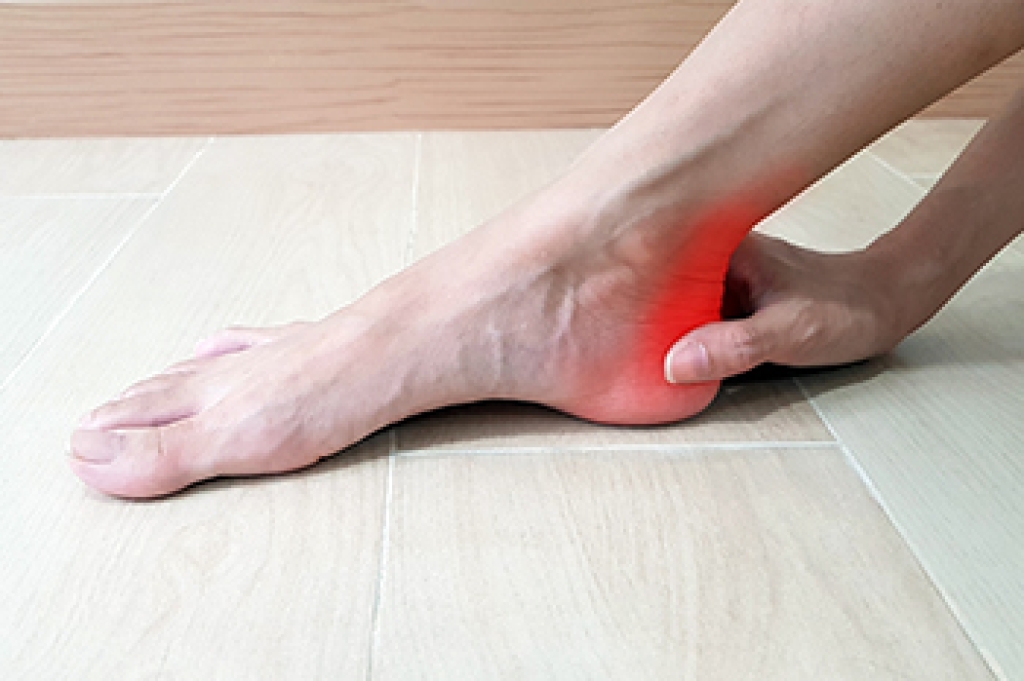
An Achilles tendon tear is a painful injury that can significantly affect mobility. Common causes include sudden increases in physical activity, sports involving jumping or sprinting, and underlying conditions like tendonitis or previous injuries. Symptoms include sudden sharp pain in the back of the heel, swelling, and difficulty walking or pushing off the foot. To diagnose an Achilles tendon tear, podiatrists may perform the Thompson's test, which calls for squeezing the calf muscle and observing foot movement. Additional assessments include plantar flexion tests, where the patient attempts to point their toes, and visual inspection for swelling or bruising. Weight-bearing tests can help determine the level of functional impairment. If you think you have sustained an Achilles tendon injury, it is suggested that you promptly schedule an appointment with a podiatrist who can provide an accurate diagnosis and treatment.
Achilles tendon injuries need immediate attention to avoid future complications. If you have any concerns, contact our podiatrists of Superior Foot & Ankle Center. Our doctors can provide the care you need to keep you pain-free and on your feet.
What Is the Achilles Tendon?
The Achilles tendon is a tendon that connects the lower leg muscles and calf to the heel of the foot. It is the strongest tendon in the human body and is essential for making movement possible. Because this tendon is such an integral part of the body, any injuries to it can create immense difficulties and should immediately be presented to a doctor.
What Are the Symptoms of an Achilles Tendon Injury?
There are various types of injuries that can affect the Achilles tendon. The two most common injuries are Achilles tendinitis and ruptures of the tendon.
Achilles Tendinitis Symptoms
Rupture Symptoms
Treatment and Prevention
Achilles tendon injuries are diagnosed by a thorough physical evaluation, which can include an MRI. Treatment involves rest, physical therapy, and in some cases, surgery. However, various preventative measures can be taken to avoid these injuries, such as:
If you have any questions please feel free to contact our office located in Long Beach, CA . We offer the newest diagnostic tools and technology to treat your foot and ankle needs.
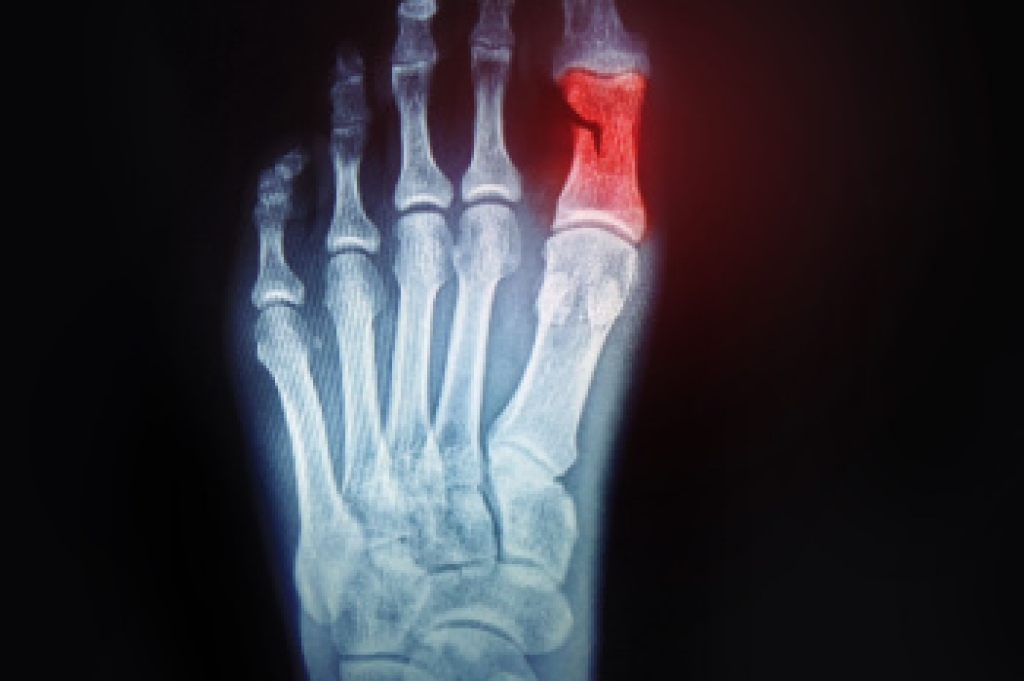
Identifying a broken toe is important for timely treatment and recovery. One of the primary signs is a noticeable change in the toe's shape, as it may appear misaligned, crooked, or deformed. Severe pain is another common indicator, often sharp and intense at the moment of injury and persisting with movement. The affected toe might also show swelling and bruising, with discoloration appearing as a dark purple or blue hue. In some cases, there may be difficulty or discomfort when trying to move the toe. Prompt medical evaluation is essential for proper diagnosis and treatment, which may include rest, immobilization, or in severe cases, surgical intervention. If you have broken your toe, it is suggested that you consult a podiatrist who can offer you the correct treatment.
Broken toes may cause a lot of pain and should be treated as soon as possible. If you have any concerns about your feet, contact our podiatrists from Superior Foot & Ankle Center. Our doctors will treat your foot and ankle needs.
What Is a Broken Toe?
A broken toe occurs when one or more of the toe bones of the foot are broken after an injury. Injuries such as stubbing your toe or dropping a heavy object on it may cause a toe fracture.
Symptoms of a Broken Toe
Although the injured toe should be monitored daily, it is especially important to have a podiatrist look at your toe if you have severe symptoms. Some of these symptoms include worsening or new pain that is not relieved with medication, sores, redness, or open wounds near the toe.
If you have any questions please feel free to contact our office located in Long Beach, CA . We offer the newest diagnostic tools and technology to treat your foot and ankle needs.
Connect With Us
