
Do you suffer from heel pain when you get up in the morning? If so, you should seek professional help and have a proper diagnosis performed. Heel pain can be caused by several different foot-related conditions.
Do you suffer from heel pain when you get up in the morning? If so, you should seek professional help and have a proper diagnosis performed. Heel pain can be caused by several different foot-related conditions.

Arthritis in the toes occurs when the joints become inflamed, often causing pain, stiffness, and swelling. The big toe is frequently affected, although smaller toes may also become painful. Common causes include osteoarthritis, rheumatoid arthritis, or gout, as well as past injuries such as sprains or fractures. Risk factors include aging, excess weight, family history, or wearing tight, high-heeled shoes. As cartilage between the toe joints wears away, bones may rub together, leading to inflammation and pain. Symptoms range from a dull ache to sharp stabbing sensations, particularly during walking. Stiffness and swelling can make it hard to move the toes or wear shoes comfortably. In some cases, clicking or grinding noises may occur as the joint deteriorates. The toe may even change shape, appear larger, or shift position. If you are experiencing symptoms of arthritic toe pain, it is suggested that you schedule an appointment with a podiatrist for an exam and appropriate treatment options.
Arthritis can be a difficult condition to live with. If you are seeking treatment, contact our podiatrists from Superior Foot & Ankle Center. Our doctors can provide the care you need to keep you pain-free and on your feet.
Arthritic Foot Care
Arthritis is a term that is commonly used to describe joint pain. The condition itself can occur to anyone of any age, race, or gender, and there are over 100 types of it. Nevertheless, arthritis is more commonly found in women compared to men, and it is also more prevalent in those who are overweight. The causes of arthritis vary depending on which type of arthritis you have. Osteoarthritis for example, is often caused by injury, while rheumatoid arthritis is caused by a misdirected immune system.
Symptoms
Arthritic symptoms range in severity, and they may come and go. Some symptoms stay the same for several years but could potentially get worse with time. Severe cases of arthritis can prevent its sufferers from performing daily activities and make walking difficult.
Risk Factors
If you suspect your arthritis is affecting your feet, it is crucial that you see a podiatrist immediately. Your doctor will be able to address your specific case and help you decide which treatment method is best for you.
If you have any questions please feel free to contact our office located in Long Beach, CA . We offer the newest diagnostic tools and technology to treat your foot and ankle needs.

A stress fracture in the foot is a small, hairline crack in a bone, often caused by repetitive impact or overuse. This type of fracture commonly affects the metatarsals, navicular, or heel bone and can lead to localized pain, swelling, and difficulty bearing weight. Treatment depends on the severity and location of the fracture. Most foot stress fractures respond well to non-weight-bearing rest and protective footwear, such as a walking boot or stiff-soled shoe, to reduce pressure during healing. In some cases, a cast or crutches may be needed to keep weight off the affected foot. If the fracture does not heal with conservative care, surgery may be required. This usually involves using screws or pins to hold the bone in place. Recovery can take several weeks, and imaging may be used to confirm healing before resuming activity. If you experience foot pain after repetitive activities like running or participate in certain sports, it is suggested that you schedule an appointment with a podiatrist for a diagnosis and appropriate treatment options.
Stress fractures occur when there is a tiny crack within a bone. To learn more, contact our podiatrists from Superior Foot & Ankle Center. Our doctors can provide the care you need to keep you pain free and on your feet.
How Are They Caused?
Stress fractures are the result of repetitive force being placed on the bone. Since the lower leg and feet often carry most of the body’s weight, stress fractures are likely to occur in these areas. If you rush into a new exercise, you are more likely to develop a stress fracture since you are starting too much, too soon. Pain resulting from stress fractures may go unnoticed at first, however it may start to worsen over time.
Risk Factors
Stress fractures do not always heal properly, so it is important that you seek help from a podiatrist if you suspect you may have one. Ignoring your stress fracture may cause it to worsen, and you may develop chronic pain as well as additional fractures.
If you have any questions please contact our office located in Long Beach, CA . We offer the newest diagnostic and treatment technologies for all your foot and ankle needs.
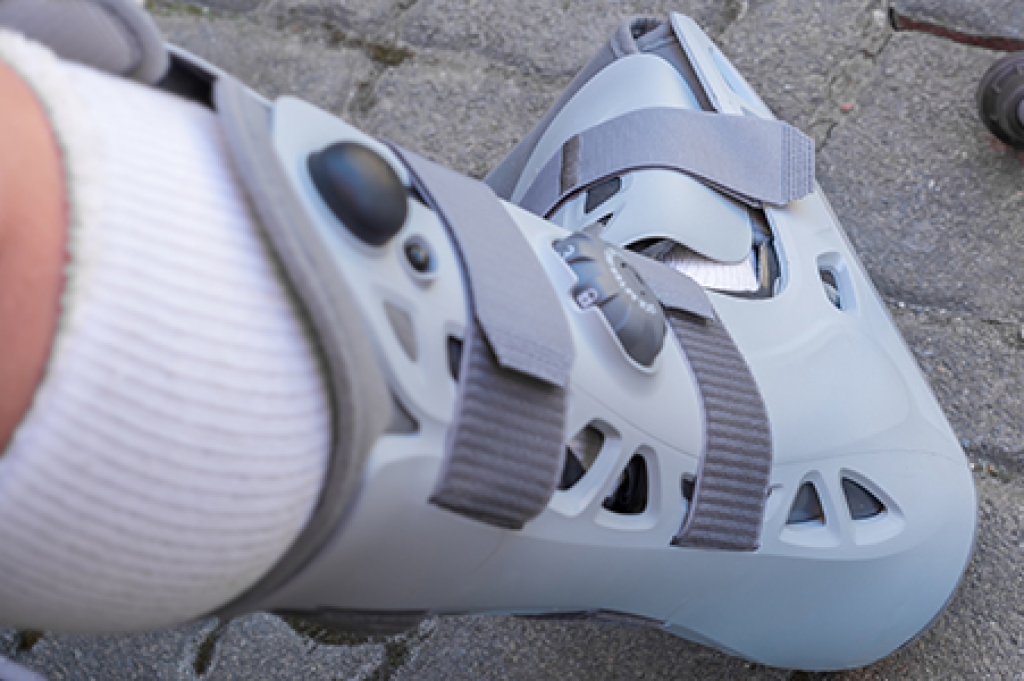
A walking boot, also known as a medical boot, is often used to stabilize foot or ankle injuries that require protection during healing. Walking boots are designed to limit motion and reduce pressure on the injured area while still allowing limited mobility. Conditions like fractures, sprains, stress injuries, and post-surgical recovery often call for wearing a walking boot. Constructed from rigid materials and secured with adjustable straps, the boot immobilizes the foot and ankle, helping maintain proper alignment and reduce strain on bones, ligaments, and tendons. By distributing body weight more evenly, a walking boot can also prevent aggravation of the injury during movement. A podiatrist can assess whether a walking boot is appropriate and ensure that it is fitted correctly. They can also monitor healing progress and determine when to transition out of the boot. If you have injured your foot or ankle, it is suggested that you schedule an appointment with a podiatrist for a diagnosis and appropriate treatment.
If you are having discomfort in your feet and would like to try orthotics, contact our podiatrists from Superior Foot & Ankle Center. Our doctors can provide the care you need to keep you pain-free and on your feet.
What Are Orthotics?
Orthotics are inserts you can place into your shoes to help with a variety of foot problems such as flat feet or foot pain. Orthotics provide relief and comfort for minor foot and heel pain but can’t correct serious biomechanical problems in your feet.
Over-the-Counter Inserts
Orthotics come in a wide variety of over-the-counter inserts that are used to treat foot pain, heel pain, and minor problems. For example, arch supports can be inserted into your shoes to help correct overarched or flat feet, while gel insoles are often used because they provide comfort and relief from foot and heel pain by alleviating pressure.
Prescription Orthotics
If over-the-counter inserts don’t work for you or if you have a more severe foot concern, it is possible to have your podiatrist prescribe custom orthotics. These high-quality inserts are designed to treat problems such as abnormal motion, plantar fasciitis, and severe forms of heel pain. They can even be used to help patients suffering from diabetes by treating foot ulcers and painful calluses and are usually molded to your feet individually, which allows them to provide full support and comfort.
If you are experiencing minor to severe foot or heel pain, it’s recommended to speak with your podiatrist about the possibilities of using orthotics. A podiatrist can determine which type of orthotic is right for you and allow you to take the first steps towards being pain-free.
If you have any questions, please feel free to contact our office located in Long Beach, CA . We offer the newest diagnostic and treatment technologies for all your foot care needs.
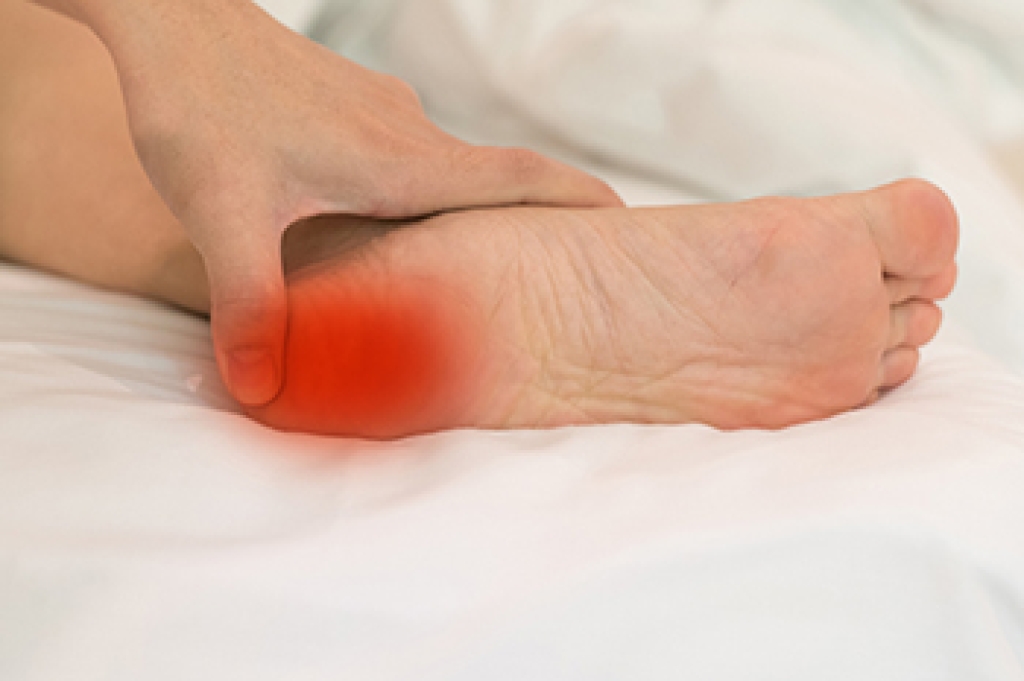
Sever’s disease, also known as calcaneal apophysitis, is a common cause of heel pain in children, especially during growth spurts between ages 8 and 14. It occurs when the growth plate in the heel becomes inflamed due to repetitive stress from sports or activity. A less commonly known fact is that Sever’s disease often appears in both heels, not just one. Symptoms include heel pain during or after activity, limping, walking on toes, and tenderness at the back of the heel. The heel may look normal but feels sore to the touch, especially after running or jumping. A podiatrist diagnoses Sever’s disease through a physical exam, symptom review, and sometimes imaging to rule out other conditions. Treatment includes rest, stretching exercises, heel cushions, supportive footwear, and sometimes custom orthotics to relieve pressure. If your child is dealing with this condition, it is suggested that you make an appointment with a podiatrist for evaluation and treatment.
Sever's disease often occurs in children and teens. If your child is experiencing foot or ankle pain, see our podiatrists from Superior Foot & Ankle Center. Our doctors can treat your child’s foot and ankle needs.
Sever’s Disease
Sever’s disease is also known as calcaneal apophysitis, which is a medical condition that causes heel pain I none or both feet. The disease is known to affect children between the ages of 8 and 14.
Sever’s disease occurs when part of the child’s heel known as the growth plate (calcaneal epiphysis) is attached to the Achilles tendon. This area can suffer injury when the muscles and tendons of the growing foot do not keep pace with bone growth. Therefore, the constant pain which one experiences at the back of the heel will make the child unable to put any weight on the heel. The child is then forced to walk on their toes.
Symptoms
Acute pain – Pain associated with Sever’s disease is usually felt in the heel when the child engages in physical activity such as walking, jumping and or running.
Highly active – Children who are very active are among the most susceptible in experiencing Sever’s disease, because of the stress and tension placed on their feet.
If you have any questions, please feel free to contact our office located in Long Beach, CA . We offer the newest diagnostic and treatment technologies for all your foot care needs.
Connect With Us
