Treatments for Athlete’s Foot Blisters

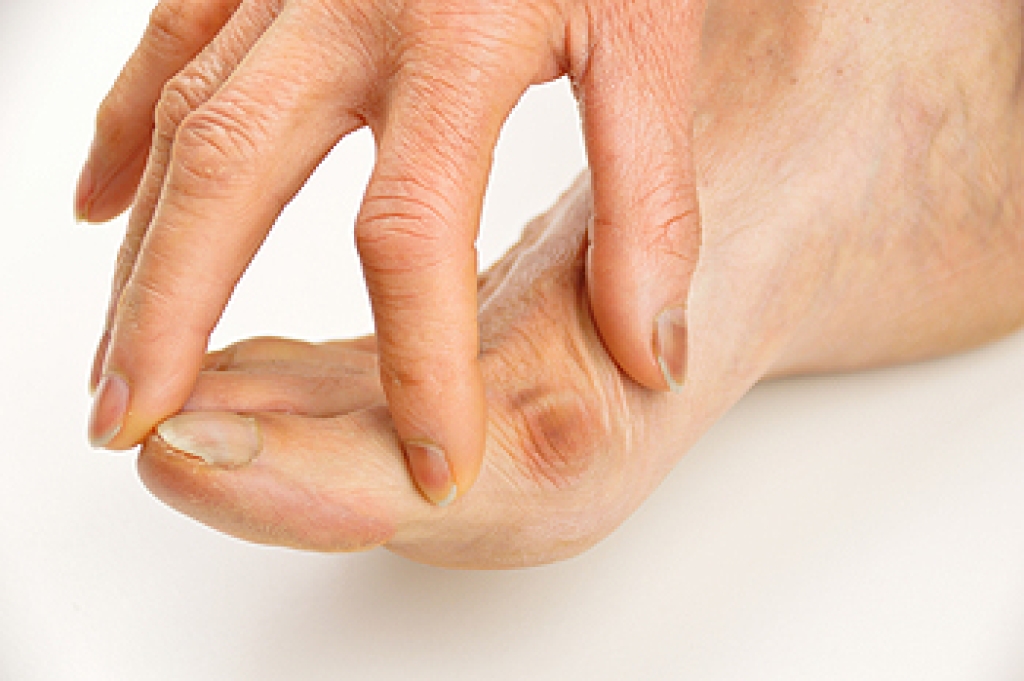
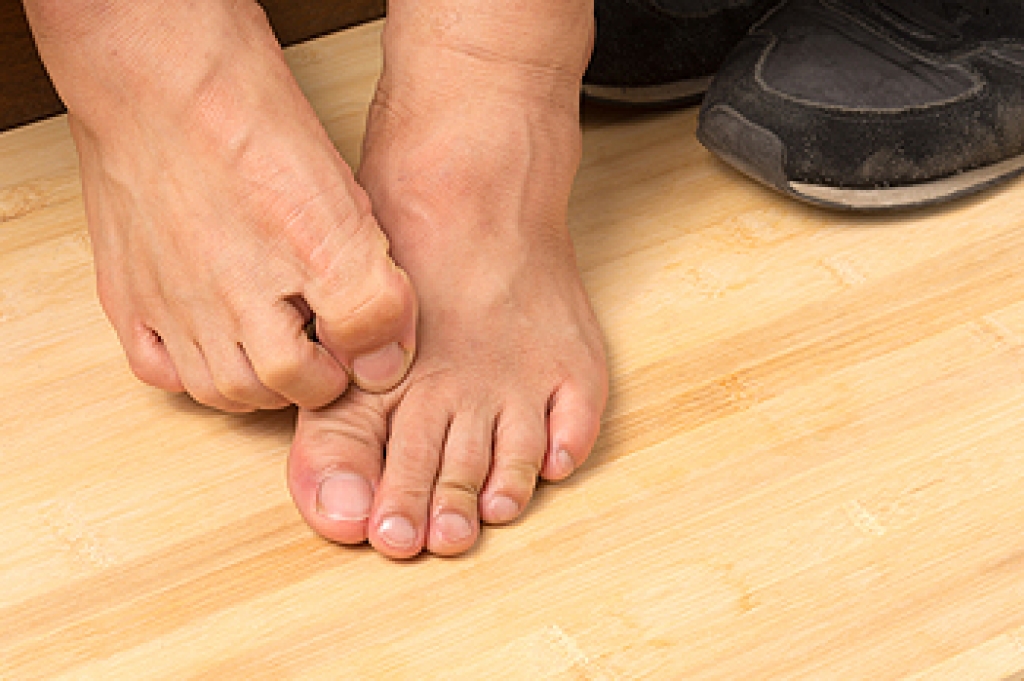
Athlete’s foot is a fungal infection of the skin of the feet. It is characterized by a red, itchy, peeling rash on the soles of the feet or in between the toes. Athlete’s foot can also cause blisters to form on the feet. Athlete’s foot can be treated with both over-the-counter and prescription antifungal medications. Most over-the-counter medications are topical and applied directly to the skin. Prescription medications can be topical, such as antifungal creams and powders, or oral. Your doctor may also prescribe corticosteroid cream to reduce swelling and redness. If you have athlete’s foot, a podiatrist can help find the right treatment for you. 

Athlete’s foot is an inconvenient condition that can be easily reduced with the proper treatment. If you have any concerns about your feet and ankles, contact our podiatrists from Superior Foot & Ankle Center.  Our doctors will treat your foot and ankle needs.

Athlete’s Foot: The Sole Story

Athlete's foot, also known as tinea pedis, can be an extremely contagious foot infection. It is commonly contracted in public changing areas and bathrooms, dormitory style living quarters, around locker rooms and public swimming pools, or anywhere your feet often come into contact with other people.

Solutions to Combat Athlete’s Foot

  • Hydrate your feet by using lotion
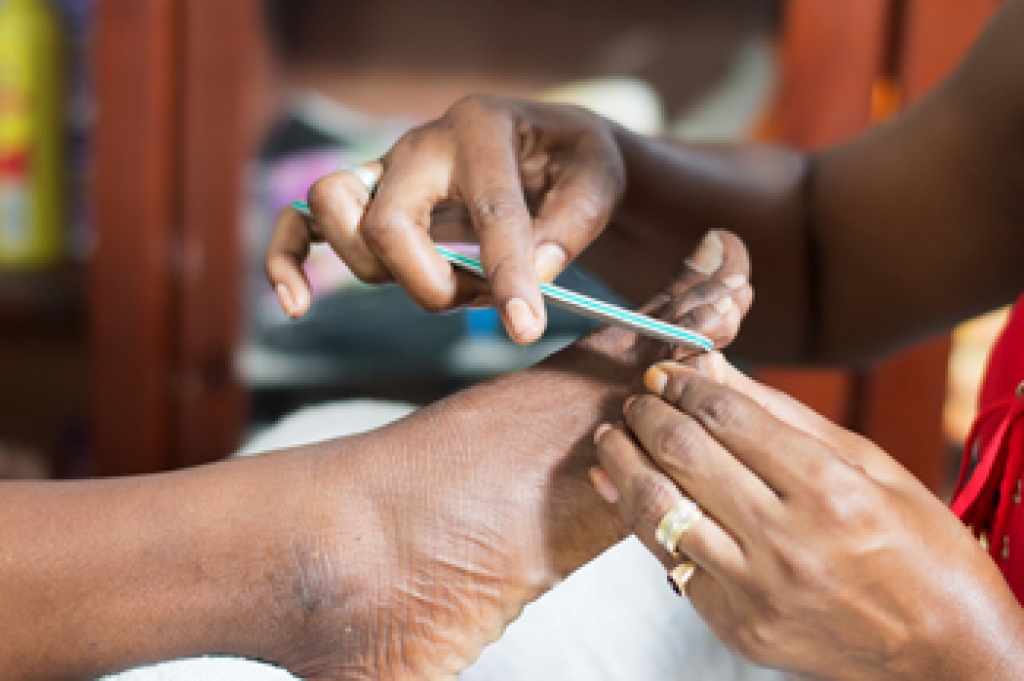
  • Exfoliate
  • Buff off nails
  • Use of anti-fungal products
  • Examine your feet and visit your doctor if any suspicious blisters or cuts develop

Athlete’s foot can cause many irritating symptoms such as dry and flaking skin, itching, and redness. Some more severe symptoms can include bleeding and cracked skin, intense itching and burning, and even pain when walking. In the worst cases, Athlete’s foot can cause blistering as well. Speak to your podiatrist for a better understanding of the different causes of Athlete’s foot, as well as help in determining which treatment options are best for you.

If you have any questions please feel free to contact our office located in Long Beach, CA . We offer the newest diagnostic and treatment technologies for all your foot and ankle needs.
Read more about Athlete's Foot

Toenail Fungus Can Cause Discoloration

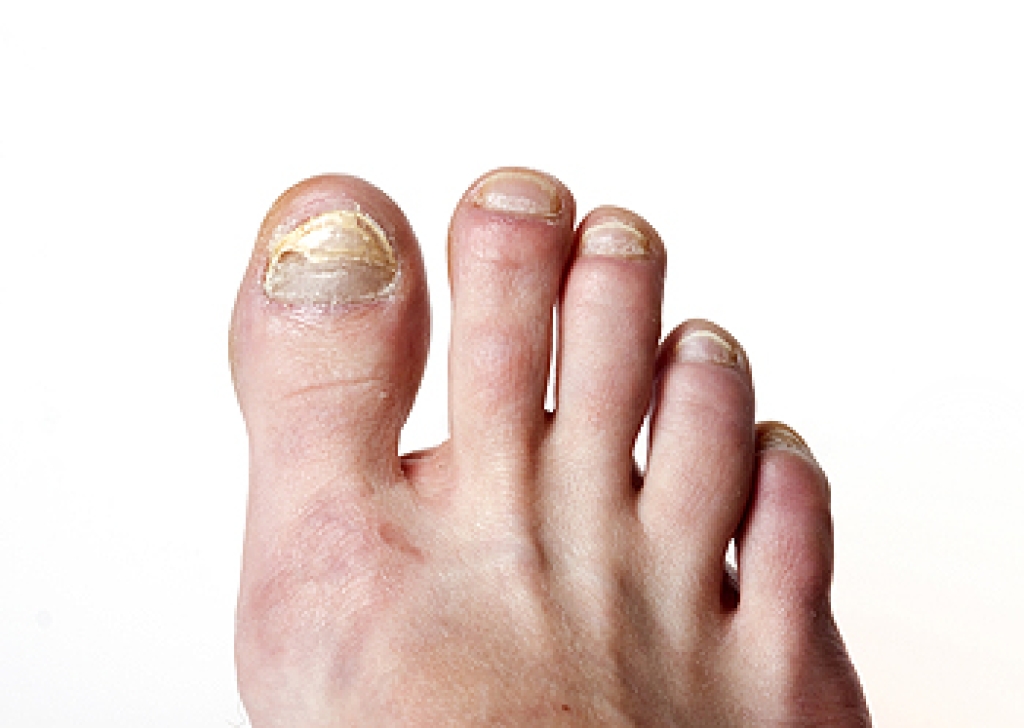
  • Distal subungual onychomycosis is considered to be one of the most common types of toenail fungus. It can cause the nails to turn yellow, which is often a result of keratin in the affected nail. The infection usually begins on the sides of the nail and may gradually spread to the entire nail, if left untreated, additional symptoms can include brittle nails, splitting, and the texture can become rough. It is considered to be contagious, so it is beneficial to refrain from sharing towels, shoes, and socks. There are several types of treatments that are available for toenail fungus infections. If you are afflicted with toenail fungus, it is strongly suggested that you place yourself under the care of a podiatrist who can help you with the correct treatment choice.

For more information about treatment, contact our podiatrists of Superior Foot & Ankle Center. Our doctors can provide the care you need to keep you pain-free and on your feet.

Toenail Fungus Treatment

Toenail fungus is a condition that affects many people and can be especially hard to get rid of. Fortunately, there are several methods to go about treating and avoiding it.

Antifungals & Deterrence

Oral antifungal medicine has been shown to be effective in many cases. It is important to consult with a podiatrist to determine the proper regiment for you, or potentially explore other options.

Applying foot powder on the feet and shoes helps keep the feet free of moisture and sweat.

Sandals or open toed shoes – Wearing these will allow air movement and help keep feet dry. They also expose your feet to light, which fungus cannot tolerate. Socks with moisture wicking material also help as well.

If you have any questions please feel free to contact our office located in Long Beach, CA . We offer the newest diagnostic tools and technology to treat your foot and ankle needs.

Read more about Toenail Fungus

Helpful Tips for Maintaining the Health of Your Feet

Many people take their feet for granted, despite their importance despite the fact they are the foundation of the body. There are simple techniques that can improve the overall health of your feet which will have a positive effect on the rest of your body. These helpful tips can include washing and drying the feet thoroughly every day, followed by applying a good moisturizer. When the toes are trimmed properly, painful foot conditions such as ingrown toenails may be prevented. Maintaining a hygiene routine for your feet may play a significant role in preventing athlete's foot, which can make the feet feel itchy and uncomfortable. If you would like additional information about the importance of practicing everyday foot care techniques, it is suggested that you consult with a podiatrist.

Everyday foot care is very important to prevent infection and other foot ailments. If you need your feet checked, contact our podiatrists from Superior Foot & Ankle Center. Our doctors can provide the care you need to keep you pain-free and on your feet.

Everyday Foot Care

Often, people take care of their bodies, face and hair more so than they do for their feet. But the feet are a very important aspect of our bodies, and one that we should pay more attention to. Without our feet, we would not be able to perform most daily tasks.

It is best to check your feet regularly to make sure there are no new bruises or cuts that you may not have noticed before. For dry feet, moisturizer can easily be a remedy and can be applied as often as necessary to the affected areas. Wearing shoes that fit well can also help you maintain good foot health, as well as making it easier to walk and do daily activities without the stress or pain of ill-fitting shoes, high heels, or even flip flops. Wearing clean socks with closed shoes is important to ensure that sweat and bacteria do not accumulate within the shoe. Clean socks help to prevent Athlete’s foot, fungi problems, bad odors, and can absorb sweat.

If you have any questions, please feel free to contact our office located in Long Beach, CA . We offer the newest diagnostic and treatment technologies for all your foot care needs.

Read more about Every Day Foot Care

Flexible Flatfoot FAQs

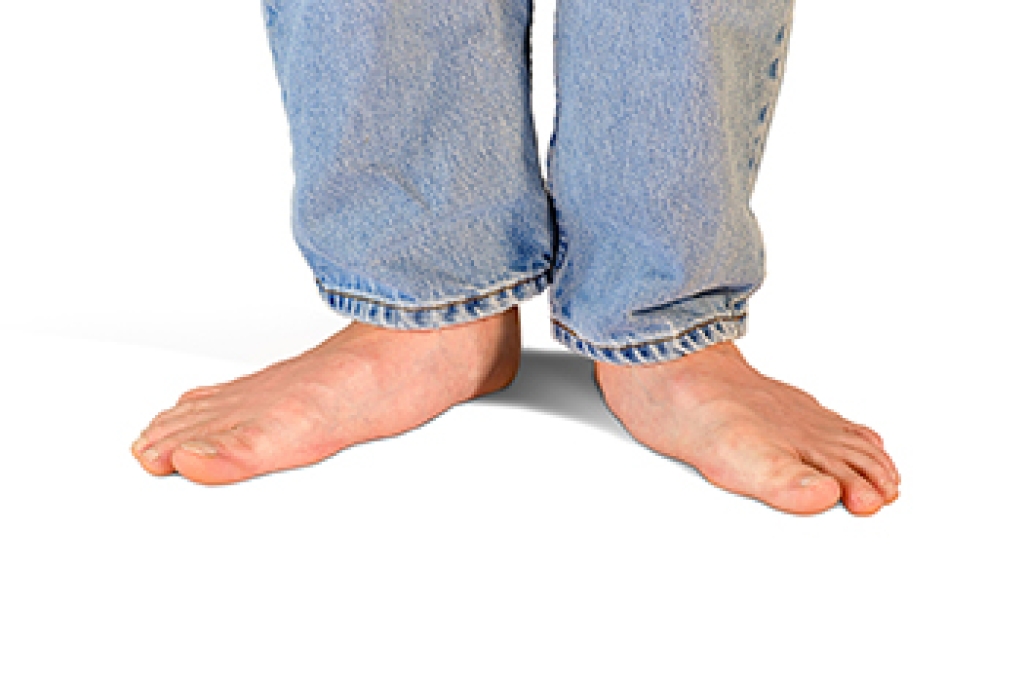
There are two types of flat feet: rigid and flexible, with flexible being the most common. Unlike rigid flatfoot where the arch is never present, the arch in flexible flatfoot is present when the foot is elevated and flattens upon standing. Flexible flatfoot in children is generally not concerning because their arches typically develop between the ages of 7 and 10. It is said that up to 25% of kids will continue to have flexible flatfoot as adults. While flexible flatfoot in children and adults may not always produce symptoms, the condition may cause tired, achy feet after walking, leg cramps, overpronation—where the ankles roll inward while walking—and foot or ankle pain. Flexible flatfoot may be inherited and indicative of loose ligaments and flexible joints throughout the body. If flatfoot develops during adulthood, it could be caused by rheumatoid arthritis or neuropathy. Contact a podiatrist for more information about flat feet and to explore various treatment options.

Flatfoot is a condition many people suffer from. If you have flat feet, contact our podiatrists from Superior Foot & Ankle Center. Our doctors will treat your foot and ankle needs.

What Are Flat Feet?

Flatfoot is a condition in which the arch of the foot is depressed and the sole of the foot is almost completely in contact with the ground. About 20-30% of the population generally has flat feet because their arches never formed during growth.

Conditions & Problems:

Having flat feet makes it difficult to run or walk because of the stress placed on the ankles.

Alignment – The general alignment of your legs can be disrupted, because the ankles move inward which can cause major discomfort.

Knees – If you have complications with your knees, flat feet can be a contributor to arthritis in that area.  

Symptoms

  • Pain around the heel or arch area
  • Trouble standing on the tip toe
  • Swelling around the inside of the ankle
  • Flat look to one or both feet
  • Having your shoes feel uneven when worn

Treatment

If you are experiencing pain and stress on the foot you may weaken the posterior tibial tendon, which runs around the inside of the ankle. 

If you have any questions, please feel free to contact our office located in Long Beach, CA . We offer the newest diagnostic and treatment technologies for all your foot care needs.

Read more about Flat Feet

Is There Relief for Bunions?

The bottom and side of the big toe is generally the location where a bunion develops. It is considered to be a deformity and can appear for a variety of reasons. These can include genetic factors, and wearing shoes that do not have enough room for the toes to move freely in. Additionally, existing medical conditions such as gout or rheumatoid arthritis may cause a bunion to develop. If the bunion is mild relief may be found when orthotics are worn, or when the bunion is covered with a protective pad. Severe bunions may require surgery to correct them permanently. If you notice signs of a small bump on the side of the big toe, please confer with a podiatrist as quickly as possible. Early treatment can slow down or stop a bunion's progression. 

If you are suffering from bunions, contact our podiatrists of Superior Foot & Ankle Center. Our doctors can provide the care you need to keep you pain-free and on your feet.

What Is a Bunion?

A bunion is formed of swollen tissue or an enlargement of boney growth, usually located at the base joint of the toe that connects to the foot. The swelling occurs due to the bones in the big toe shifting inward, which impacts the other toes of the foot. This causes the area around the base of the big toe to become inflamed and painful.

Why Do Bunions Form?

Genetics – Susceptibility to bunions are often hereditary

Stress on the feet – Poorly fitted and uncomfortable footwear that places stress on feet, such as heels, can worsen existing bunions

How Are Bunions Diagnosed?

Doctors often perform two tests – blood tests and x-rays – when trying to diagnose bunions, especially in the early stages of development. Blood tests help determine if the foot pain is being caused by something else, such as arthritis, while x-rays provide a clear picture of your bone structure to your doctor.

How Are Bunions Treated?

  • Refrain from wearing heels or similar shoes that cause discomfort
  • Select wider shoes that can provide more comfort and reduce pain
  • Anti-inflammatory and pain management drugs
  • Orthotics or foot inserts
  • Surgery

If you have any questions, please feel free to contact our office located in Long Beach, CA . We offer the newest diagnostic and treatment technologies for all your foot care needs.

Read more about Bunions

Connect With Us