
Neuropathy is a condition that can lead to numbness or loss of sensation in the feet, but it can also cause pain. This condition is more likely to develop for those who are diabetic, obese, or with high blood pressure.
Neuropathy is a condition that can lead to numbness or loss of sensation in the feet, but it can also cause pain. This condition is more likely to develop for those who are diabetic, obese, or with high blood pressure.

Foot pain is a common ailment that can stem from a variety of causes, significantly impacting mobility and quality of life. Injuries such as sprains, fractures, and tendonitis are frequent culprits. Various forms of arthritis, including osteoarthritis, rheumatoid arthritis, and gout, can also lead to foot pain due to joint inflammation and damage. Wearing ill-fitting footwear often increases foot discomfort, leading to issues like bunions, which are painful enlargements of the joint at the base of the big toe. Symptoms of foot pain can include a sharp or dull ache, swelling, stiffness, and a reduced range of motion. Typical treatment strategies include rest, and sometimes more targeted therapies like custom orthotic devices. If you have foot pain that persists or is worsening, it is suggested that you schedule an appointment with a podiatrist who can provide a comprehensive assessment and tailored treatment options to alleviate pain and prevent further complications.
Foot Pain
Foot pain can be extremely painful and debilitating. If you have a foot pain, consult with our podiatrists from Superior Foot & Ankle Center. Our doctors will assess your condition and provide you with quality foot and ankle treatment.
Causes
Foot pain is a very broad condition that could be caused by one or more ailments. The most common include:
Diagnosis
To figure out the cause of foot pain, podiatrists utilize several different methods. This can range from simple visual inspections and sensation tests to X-rays and MRI scans. Prior medical history, family medical history, and any recent physical traumatic events will all be taken into consideration for a proper diagnosis.
Treatment
Treatment depends upon the cause of the foot pain. Whether it is resting, staying off the foot, or having surgery; podiatrists have a number of treatment options available for foot pain.
If you have any questions, please feel free to contact our office located in Long Beach, CA . We offer the newest diagnostic and treatment technologies for all your foot care needs.
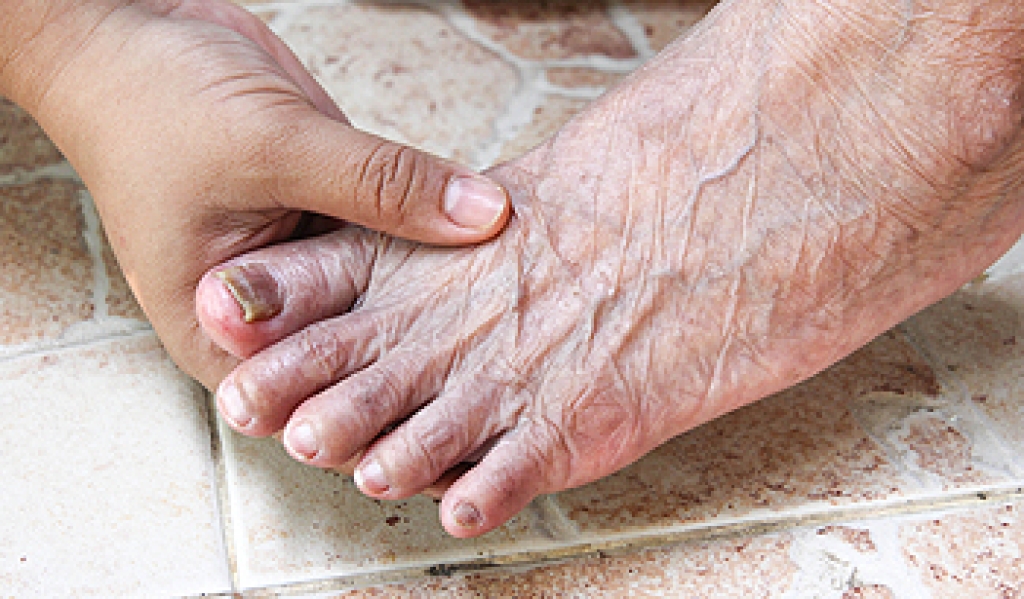
Toenail fungus, medically termed onychomycosis, is a fungal infection that commonly affects the toenails. It is typically caused by dermatophytes, which are fungi that thrive in warm and moist environments like sweaty shoes or public swimming pools. When these fungi invade the toenail bed, they can cause discoloration, thickening, and crumbling of the nail. Symptoms may include yellowing or darkening of the nail, a distorted shape, and a foul odor. Certain factors increase the risk of developing toenail fungus. Among them are age, poor circulation, weakened immune system, and frequent exposure to moist environments. Common types of fungal infections include distal subungual onychomycosis, white superficial onychomycosis, proximal subungual onychomycosis, and candida onychomycosis. Treatment typically involves prescribed antifungal medications, either topical or oral, depending on the severity of the infection. In severe cases, surgical removal of the nail may be necessary. If you think you have toenail fungus, it is suggested that you schedule an appointment with a podiatrist for a proper diagnosis and treatment at your earliest convenience.
Athlete’s Foot
Athlete’s foot is often an uncomfortable condition to experience. Thankfully, podiatrists specialize in treating athlete’s foot and offer the best treatment options. If you have any questions about athlete’s foot, consult with our podiatrists from Superior Foot & Ankle Center. Our doctors will assess your condition and provide you with quality treatment.
What Is Athlete’s Foot?
Tinea pedis, more commonly known as athlete’s foot, is a non-serious and common fungal infection of the foot. Athlete’s foot is contagious and can be contracted by touching someone who has it or infected surfaces. The most common places contaminated by it are public showers, locker rooms, and swimming pools. Once contracted, it grows on feet that are left inside moist, dark, and warm shoes and socks.
Prevention
The most effective ways to prevent athlete’s foot include:
Symptoms
Athlete’s foot initially occurs as a rash between the toes. However, if left undiagnosed, it can spread to the sides and bottom of the feet, toenails, and if touched by hand, the hands themselves. Symptoms include:
Diagnosis and Treatment
Diagnosis is quick and easy. Skin samples will be taken and either viewed under a microscope or sent to a lab for testing. Sometimes, a podiatrist can diagnose it based on simply looking at it. Once confirmed, treatment options include oral and topical antifungal medications.
If you have any questions, please feel free to contact our office located in Long Beach, CA . We offer the newest diagnostic and treatment technologies for all your foot care needs.

Heel pain, a common foot ailment, can significantly impact mobility and daily activities. Typically located on the underside or back of the heel, it can stem from various causes, including plantar fasciitis, Achilles tendinitis, heel spurs, or stress fractures. One prevalent reason for morning discomfort is the tightening of the plantar fascia ligament during sleep, leading to a sharp pain upon first steps. However, not all heel pains are alike. Pain can manifest in different areas such as the bottom, sides, or back of the heel, each indicating distinct issues. Ignoring persistent discomfort may exacerbate the condition and hinder natural healing processes. Fortunately, several remedies exist, including rest, stretching exercises, proper footwear, and custom orthotics. If you have persistent heel pain, it is suggested that you make an appointment with a podiatrist for an accurate diagnosis and tailored treatment plan.
Many people suffer from bouts of heel pain. For more information, contact our podiatrists of Superior Foot & Ankle Center. Our doctors can provide the care you need to keep you pain-free and on your feet.
Causes of Heel Pain
Heel pain is often associated with plantar fasciitis. The plantar fascia is a band of tissues that extends along the bottom of the foot. A rip or tear in this ligament can cause inflammation of the tissue.
Achilles tendonitis is another cause of heel pain. Inflammation of the Achilles tendon will cause pain from fractures and muscle tearing. Lack of flexibility is also another symptom.
Heel spurs are another cause of pain. When the tissues of the plantar fascia undergo a great deal of stress, it can lead to ligament separation from the heel bone, causing heel spurs.
Why Might Heel Pain Occur?
Treatments
Heel pain should be treated as soon as possible for immediate results. Keeping your feet in a stress-free environment will help. If you suffer from Achilles tendonitis or plantar fasciitis, applying ice will reduce the swelling. Stretching before an exercise like running will help the muscles. Using all these tips will help make heel pain a condition of the past.
If you have any questions, please feel free to contact our office located in Long Beach, CA . We offer the newest diagnostic and treatment technologies for all your foot care needs.

Peroneal tendonitis is inflammation of the peroneal tendons along the outside of the ankle, often due to overuse or sudden increases in activity. Athletes, particularly runners and dancers, are prone to this condition. Symptoms include pain, swelling, and tenderness along the outside of the ankle, especially during physical activity. Diagnosis involves a physical exam, imaging tests, and assessment of medical history. Treatment includes rest, anti-inflammatory medications, and exercises to strengthen muscles and improve flexibility. In severe cases, immobilization or corticosteroid injections may be necessary. A podiatrist can provide expert diagnosis and treatment, offering personalized rehabilitation strategies to alleviate symptoms and prevent the recurrence of peroneal tendonitis. If you have pain on the outside of your ankle, it is suggested that you contact a podiatrist for care.
Foot and ankle trauma is common among athletes and the elderly. If you have concerns that you may have experienced trauma to the foot and ankle, consult with our podiatrists from Superior Foot & Ankle Center. Our doctors will assess your condition and provide you with quality foot and ankle treatment.
Foot and ankle trauma cover a range of injuries all over the foot; common injuries include:
Symptoms
Symptoms of foot and ankle injuries vary depending on the injury, but more common ones include:
Diagnosis
To properly diagnose the exact type of injury, podiatrists will conduct a number of different tests. Some of these include sensation and visual tests, X-rays, and MRIs. Medical and family histories will also be taken into account.
Treatment
Once the injury has been diagnosed, the podiatrist can than offer the best treatment options for you. In less severe cases, rest and keeping pressure off the foot may be all that’s necessary. Orthotics, such as a specially made shoes, or immobilization devices, like splints or casts, may be deemed necessary. Finally, if the injury is severe enough, surgery may be necessary.
If you have any questions, please feel free to contact our office located in Long Beach, CA . We offer the newest diagnostic and treatment technologies for all your foot care needs.
Connect With Us
