
Painful deformities, such as hammertoes, can be treated. Stop living with foot pain, and have beautiful feet again!
Painful deformities, such as hammertoes, can be treated. Stop living with foot pain, and have beautiful feet again!

Gout is a form of arthritis caused by the buildup of uric acid crystals in the joints. This buildup occurs when the body produces too much uric acid or cannot effectively eliminate it. Risk factors for developing gout include a diet high in red meat and seafood, excessive alcohol consumption, and obesity. Certain medical conditions such as hypertension and diabetes also increase the likelihood of developing gout. Symptoms of gout often appear suddenly and include intense joint pain, redness, and swelling, typically in the big toe. The affected joint may feel warm and extremely tender to the touch. Gout attacks can be recurrent, leading to chronic pain and joint damage if left untreated. The pain from gout can be debilitating. If you have developed this condition, it is suggested that you consult a podiatrist who can offer you relief and prevention methods.
Gout is a painful condition that can be treated. If you are seeking treatment, contact our podiatrists from Superior Foot & Ankle Center. Our doctors will treat your foot and ankle needs.
What Is Gout?
Gout is a form of arthritis that is characterized by sudden, severe attacks of pain, redness, and tenderness in the joints. The condition usually affects the joint at the base of the big toe. A gout attack can occur at any random time, such as the middle of the night while you are asleep.
Symptoms
Risk Factors
Prior to visiting your podiatrist to receive treatment for gout, there are a few things you should do beforehand. If you have gout you should write down your symptoms--including when they started and how often you experience them, important medical information you may have, and any questions you may have. Writing down these three things will help your podiatrist in assessing your specific situation so that he or she may provide the best route of treatment for you.
If you have any questions, please feel free to contact our office located in Long Beach, CA . We offer the newest diagnostic and treatment technologies for all your foot care needs.
 For people with diabetes, proper foot care is critical due to the risk of neuropathy and poor circulation, which can lead to severe complications. High blood sugar levels over time can damage nerves and reduce blood flow, causing numbness and decreased healing ability. This makes the feet more susceptible to injuries, infections, and ulcers, which can develop unnoticed and worsen quickly. To maintain foot health, individuals with diabetes should inspect their feet daily for cuts, blisters, redness, or swelling. Keeping feet clean and dry, moisturizing to prevent cracks, and trimming nails carefully are essential steps. Wearing properly fitted shoes and socks that reduce pressure and friction can prevent sores. Regular foot exercises and avoiding smoking may help to improve circulation. Failure to care for diabetic feet can lead to severe infections, gangrene, and even amputations. If you have diabetes, it is strongly suggested that you are under the care of a podiatrist for regular check-ups and specialized treatment plans.
Diabetic foot care is important in preventing foot ailments such as ulcers. If you are suffering from diabetes or have any other concerns about your feet, contact our podiatrists from Superior Foot & Ankle Center. Our doctors can provide the care you need to keep you pain-free and on your feet.
Diabetic Foot Care
Diabetes affects millions of people every year. The condition can damage blood vessels in many parts of the body, especially the feet. Because of this, taking care of your feet is essential if you have diabetes, and having a podiatrist help monitor your foot health is highly recommended.
The Importance of Caring for Your Feet
Patients with diabetes should have their doctor monitor their blood levels, as blood sugar levels play such a huge role in diabetic care. Monitoring these levels on a regular basis is highly advised.
It is always best to inform your healthcare professional of any concerns you may have regarding your feet, especially for diabetic patients. Early treatment and routine foot examinations are keys to maintaining proper health, especially because severe complications can arise if proper treatment is not applied.
If you have any questions, please feel free to contact our office located in Long Beach, CA . We offer the newest diagnostic and treatment technologies for all your foot care needs.
 Morton’s neuroma is a painful condition that affects the ball of the foot, typically between the third and fourth toes. It involves the thickening of tissue around one of the nerves leading to the toes, often caused by irritation or compression. Symptoms include a sharp, burning pain in the ball of the foot, tingling or numbness in the toes, and the sensation of having a pebble in your shoe. A podiatrist diagnoses Morton's neuroma through a physical examination, assessing the affected area for tenderness and swelling. Imaging tests such as X-rays, ultrasound, or MRI scans may be used to rule out other conditions. The duration of symptoms can vary, with some people experiencing intermittent pain while others may have chronic discomfort. Prevention includes wearing well-fitting shoes with a wide toe box and avoiding high heels. Treatment options range from conservative approaches like rest and orthotics to corticosteroid injections and, in severe cases, surgery. For persistent pain and personalized treatment, it is suggested that you schedule an appointment with a podiatrist.
Morton’s neuroma is a very uncomfortable condition to live with. If you think you have Morton’s neuroma, contact our podiatrists of Superior Foot & Ankle Center. Our doctors will attend to all of your foot care needs and answer any of your related questions.
Morton’s Neuroma
Morton's neuroma is a painful foot condition that commonly affects the areas between the second and third or third and fourth toe, although other areas of the foot are also susceptible. Morton’s neuroma is caused by an inflamed nerve in the foot that is being squeezed and aggravated by surrounding bones.
What Increases the Chances of Having Morton’s Neuroma?
Morton’s neuroma is a very treatable condition. Orthotics and shoe inserts can often be used to alleviate the pain on the forefront of the feet. In more severe cases, corticosteroids can also be prescribed. In order to figure out the best treatment for your neuroma, it’s recommended to seek the care of a podiatrist who can diagnose your condition and provide different treatment options.
If you have any questions, please feel free to contact our office located in Long Beach, CA . We offer the newest diagnostic and treatment technologies for all your foot care needs.
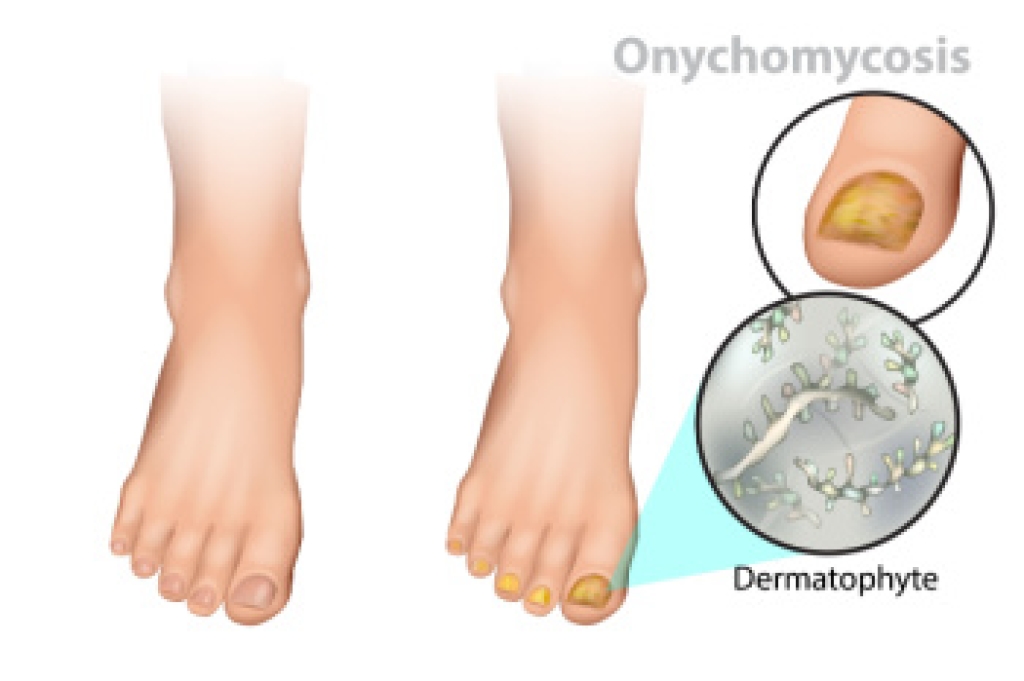
Toenail fungus often develops in distinct stages, progressing gradually if left untreated. Initially, it may appear as a small white or yellow spot under the nail tip. As the infection advances, the nail may thicken and take on a yellowish hue, spreading deeper into the nail bed. Without intervention, the fungus continues its relentless progression, causing the nail to become brittle and crumble at the edges. As the infection worsens, the nail may darken in color, emitting a foul odor, and detachment from the nail bed becomes a possibility. This advanced stage not only affects the appearance of the nail but also brings discomfort and potential complications. Recognizing the signs early on is essential for effective treatment. Consulting a podiatrist for proper diagnosis and guidance is necessary to halt the progression and prevent further damage. If you notice toenail fungus developing, it is suggested that you visit a podiatrist who can prescribe medication for a complete healing.
For more information about treatment, contact our podiatrists of Superior Foot & Ankle Center. Our doctors can provide the care you need to keep you pain-free and on your feet.
Toenail Fungus Treatment
Toenail fungus is a condition that affects many people and can be especially hard to get rid of. Fortunately, there are several methods to go about treating and avoiding it.
Antifungals & Deterrence
Oral antifungal medicine has been shown to be effective in many cases. It is important to consult with a podiatrist to determine the proper regiment for you, or potentially explore other options.
Applying foot powder on the feet and shoes helps keep the feet free of moisture and sweat.
Sandals or open toed shoes – Wearing these will allow air movement and help keep feet dry. They also expose your feet to light, which fungus cannot tolerate. Socks with moisture wicking material also help as well.
If you have any questions please feel free to contact our office located in Long Beach, CA . We offer the newest diagnostic tools and technology to treat your foot and ankle needs.
Connect With Us
