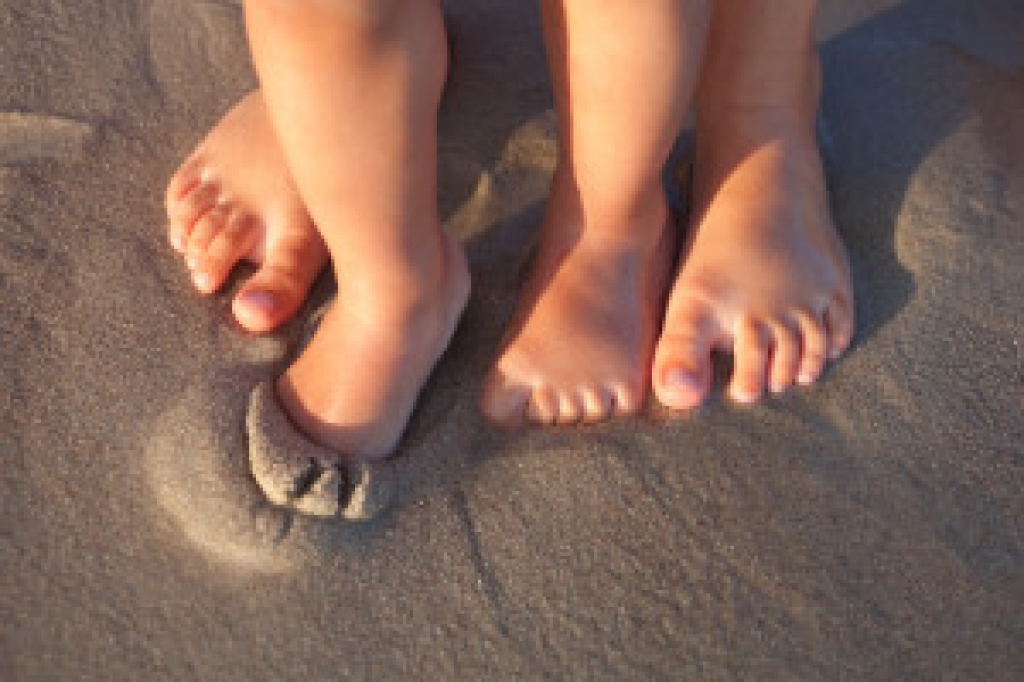
Understanding the Differences Between Adult and Children's Feet

The journey from childhood to adulthood is marked by numerous transformations, and the evolution of your feet is no exception. Children's feet, characterized by their pliability and cartilage dominance, are more susceptible to external influences. Their arches may appear flat, and the bones are still developing. As children age, these structures solidify, forming the more defined arches and shapes typical of adult feet. Moreover, the fat pads on children's feet provide natural cushioning, while adults may experience thinning of these pads over time. The growth patterns and proportions differ significantly, with children's feet being relatively wider in comparison to their length. Recognizing these distinctions is vital for selecting appropriate footwear and addressing potential concerns in either developmental stage. If you would like additional knowledge about how adult and children’s feet vary, it is suggested that you confer with a podiatrist.

The health of a child’s feet is vital to their overall well-being. If you have any questions regarding foot health, contact our podiatrists of Superior Foot & Ankle Center. Our doctors can provide the care you need to keep you pain-free and on your feet.

Tips for Keeping Children's Feet Healthy

  • Make sure their shoes fit properly
  • Look for any signs of in-toeing or out-toeing
  • Check to see if they have Clubfoot (condition that affects your child’s foot and ankle, twisting the heel and toes inward) which is one of the most common nonmajor birth defects.
  • Lightly cover your baby’s feet (Tight covers may keep your baby from moving their feet freely, and could prevent normal development)
  • Allow your toddler to go shoeless (Shoes can be restricting for a young child’s foot)
  • Cut toenails straight across to avoid ingrown toenails
  • Keep your child’s foot clean and dry
  • Cover cuts and scrapes. Wash any scratches with soap and water and cover them with a bandage until they’ve healed.

If you have any questions, please feel free to contact our office located in Long Beach, CA . We offer the newest diagnostic and treatment technologies for all your foot care needs.

Read more about How to Care for Your Child's Feet

Effective Stretches for Improved Heel Stability

Heel stability is an important aspect of overall balance and comfort, and it is often overlooked until you experience pain or discomfort in that area. Fortunately, there are several stretches that can help enhance heel stability and promote overall foot health. One beneficial stretch is the calf stretch. This simple exercise involves extending one leg behind you and leaning forward with the other, feeling the stretch in your calf and Achilles tendon. By keeping these areas flexible, you reduce the strain on your heel. Another effective stretch is the plantar fascia stretch. To perform this, sit down and cross one ankle over the opposite knee. Gently pull your toes back toward your shin, feeling the stretch along the arch of your foot. This stretch helps to maintain the flexibility of the plantar fascia, thus reducing the risk of heel pain. The final stretch to consider is the toe stretch. This can be done by sitting or standing and extending your toes as far as possible, then curling them under. This exercise strengthens the muscles in your feet and enhances overall heel stability. If you would like additional information about effective heel stability stretches, it is suggested that you speak with a podiatrist who can provide you with the knowledge you are seeking.

Stretching the feet is a great way to prevent injuries. If you have any concerns with your feet consult with our podiatrists from Superior Foot & Ankle Center. Our doctors will assess your condition and provide you with quality foot and ankle treatment.

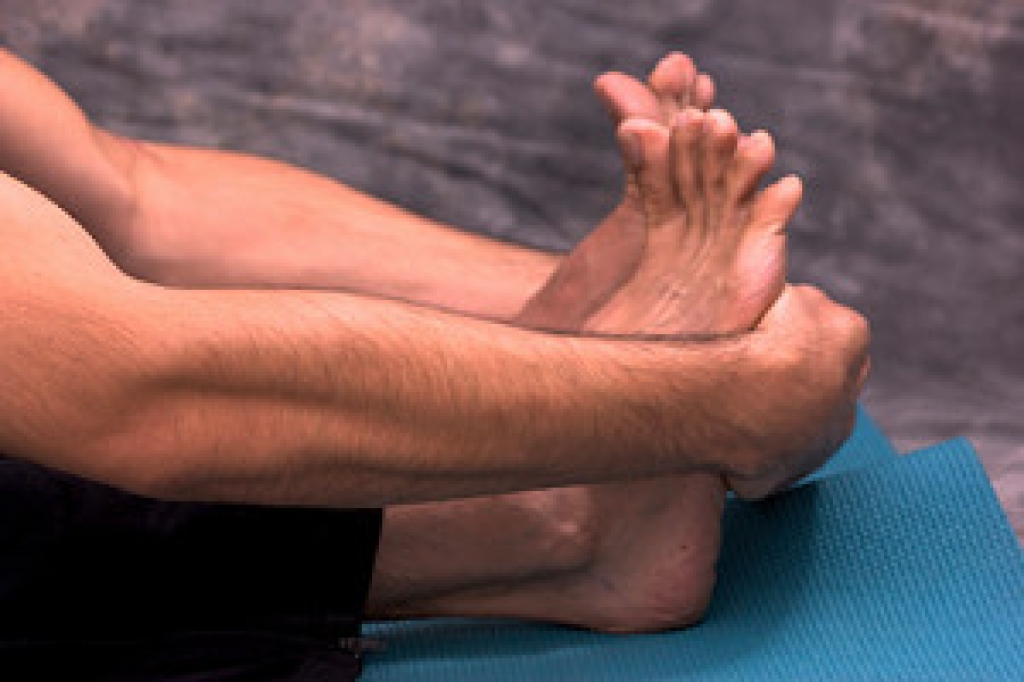
Stretching the Feet

Stretching the muscles in the foot is an important part in any physical activity. Feet that are tight can lead to less flexibility and make you more prone to injury. One of the most common forms of foot pain, plantar fasciitis, can be stretched out to help ease the pain. Stretching can not only ease pain from plantar fasciitis but also prevent it as well. However, it is important to see a podiatrist first if stretching is right for you. Podiatrists can also recommend other ways to stretch your feet. Once you know whether stretching is right for you, here are some excellent stretches you can do.

  • Using a foam roller or any cylindrical object (a water bottle or soda can will do), roll the object under your foot back and forth. You should also exert pressure on the object. Be sure to do this to both feet for a minute. Do this exercise three times each.
  • Similar to the previous one, take a ball, such as a tennis ball, and roll it under your foot while seated and exert pressure on it.
  • Grab a resistance band or towel and take a seat. If you are using a towel, fold it length wise. Next put either one between the ball of your foot and heel and pull with both hands on each side towards you. Hold this for 15 seconds and then switch feet. Do this three times for each foot.
  • Finally hold your big toe while crossing one leg over the other. Pull the toe towards you and hold for 15 seconds. Once again do this three times per foot.

It is best to go easy when first stretching your foot and work your way up. If your foot starts hurting, stop exercising and ice and rest the foot. It is advised to then see a podiatrist for help.

If you have any questions, please feel free to contact our office located in Long Beach, CA . We offer the newest diagnostic and treatment technologies for all your foot care needs.
Read more about How to Stretch Your Feet

Tips to Prevent Jogging and Running Injuries

Running and jogging are fantastic ways to stay active and maintain physical fitness, but they also come with potential injury risks. To ensure you can enjoy these activities safely and remain injury- free, consider these key strategies. Firstly, invest in the right footwear. Proper running shoes provide essential support, cushioning, and shock absorption to minimize the risk of injuries. It is important to make sure they fit well and match your gait. Always prioritize warm up and cool down routines. Dynamic stretches before your run and static stretches afterward can improve flexibility and reduce the risk of muscle strains. Progressive training is vital. Gradually increasing the intensity and duration of your runs can allow your body to adapt and reduce the risk of overuse injuries. Lastly, mix up your running surfaces to reduce the impact on your joints. Incorporating grass, trails, and tracks into your routine can help prevent overuse injuries on harder surfaces. By following these guidelines, you can minimize the risk of running and jogging injuries, making these activities enjoyable and sustainable parts of your fitness regimen. For more information on effective running injury prevention techniques, it is suggested that you contact a podiatrist who can provide you with this knowledge. 

All runners should take extra precaution when trying to avoid injury. If you have any concerns about your feet, contact our podiatrists of Superior Foot & Ankle Center. Our doctors will treat your foot and ankle needs.

How to Prevent Running Injuries

There are a lot of mistakes a runner can make prior to a workout that can induce injury. A lot of athletes tend to overstretch before running, instead of saving those workouts for a post-run routine. Deep lunges and hand-to-toe hamstring pulls should be performed after a workout instead of during a warmup. Another common mistake is jumping into an intense routine before your body is physically prepared for it. You should try to ease your way into long-distance running instead of forcing yourself to rush into it.

More Tips for Preventing Injury

  • Incorporate Strength Training into Workouts - This will help improve the body’s overall athleticism
  • Improve and Maintain Your Flexibility – Stretching everyday will help improve overall performance
  • “Warm Up” Before Running and “Cool Down” Afterward – A warm up of 5-10 minutes helps get rid of lactic acid in the muscles and prevents delayed muscle soreness
  • Cross-Training is Crucial
  • Wear Proper Running Shoes
  • Have a Formal Gait Analysis – Poor biomechanics can easily cause injury

If you have any questions, please feel free to contact our office located in Long Beach, CA . We offer the newest diagnostic and treatment technologies for all your foot care needs.

Read more about Preventing Running Injuries

Bunion Complications

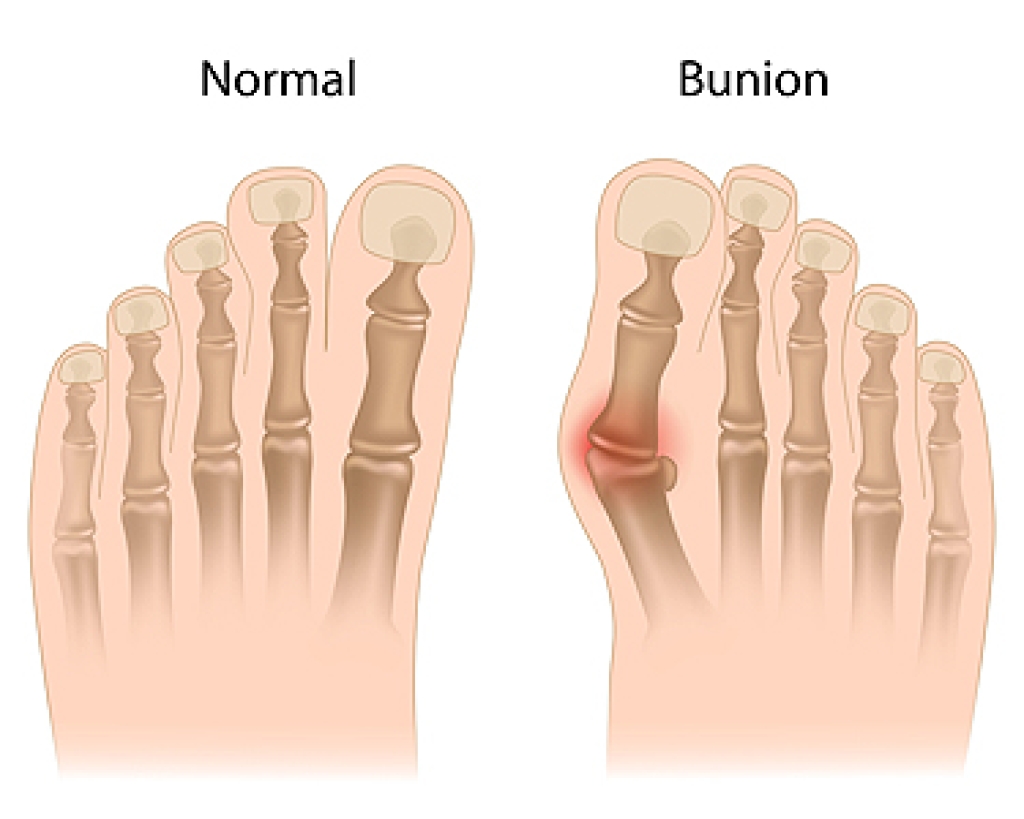
A bunion, medically termed hallux valgus, is a prominent, bony protrusion at the base of the big toe. Often, the only indicator of a mild bunion is its physical manifestation. However, it can also result in discomfort, swelling, and alterations in the foot's structure. In extreme instances, surgical intervention might be necessary due to related issues. Key visual indicators of a bunion are the big toe deviating toward the other toes, forming an outward bulge on the first foot bone. Additionally, there may be a raised bony bump on the foot's exterior, tough skin under the big toe, and calluses on the adjacent toe. Over time, the foot's form may drastically change, impacting both the big toe and other foot regions, making shoe selection challenging. Resulting structural modifications can cause pain, swelling, and bursitis, which is an inflammation of the toe joint's cushioning sac. Some people may face mobility issues with their big toe, affecting their walking. While many individuals do not encounter severe problems from bunions, if left untreated, complications such as arthritis in the big toe or deformities in the adjacent toe can arise. If you have a painful bunion, it is suggested that you make an appointment with a podiatrist who can intervene and help prevent severe complications.

If you are suffering from bunion pain, contact our podiatrists of Superior Foot & Ankle Center. Our doctors can provide the care you need to keep you pain-free and on your feet.

What Is a Bunion?

Bunions are painful bony bumps that usually develop on the inside of the foot at the joint of the big toe. As the deformity increases over time, it may become painful to walk and wear shoes. Women are more likely to exacerbate existing bunions since they often wear tight, narrow shoes that shift their toes together. Bunion pain can be relieved by wearing wider shoes with enough room for the toes.

Causes

  • Genetics – some people inherit feet that are more prone to bunion development
  • Inflammatory Conditions - rheumatoid arthritis and polio may cause bunion development

Symptoms

  • Redness and inflammation
  • Pain and tenderness
  • Callus or corns on the bump
  • Restricted motion in the big toe

In order to diagnose your bunion, your podiatrist may ask about your medical history, symptoms, and general health. Your doctor might also order an x-ray to take a closer look at your feet. Nonsurgical treatment options include orthotics, padding, icing, changes in footwear, and medication. If nonsurgical treatments don’t alleviate your bunion pain, surgery may be necessary.

If you have any questions, please feel free to contact our office located in Long Beach, CA . We offer the newest diagnostic and treatment technologies for all your foot care needs.

Read more about Bunions

Connect With Us