
Foot Biomechanics 101

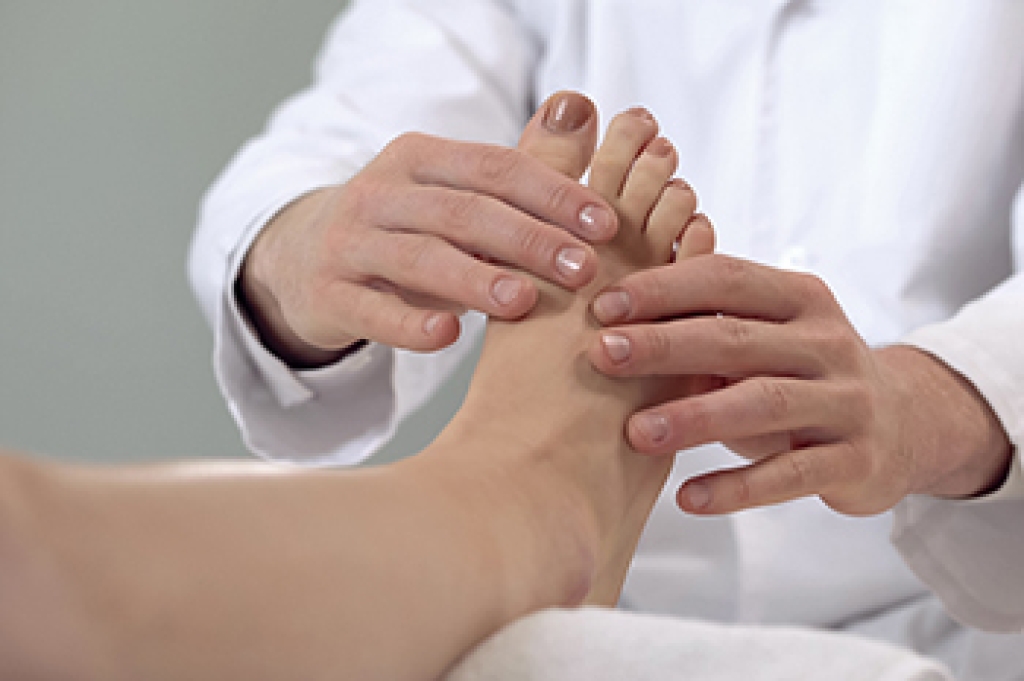
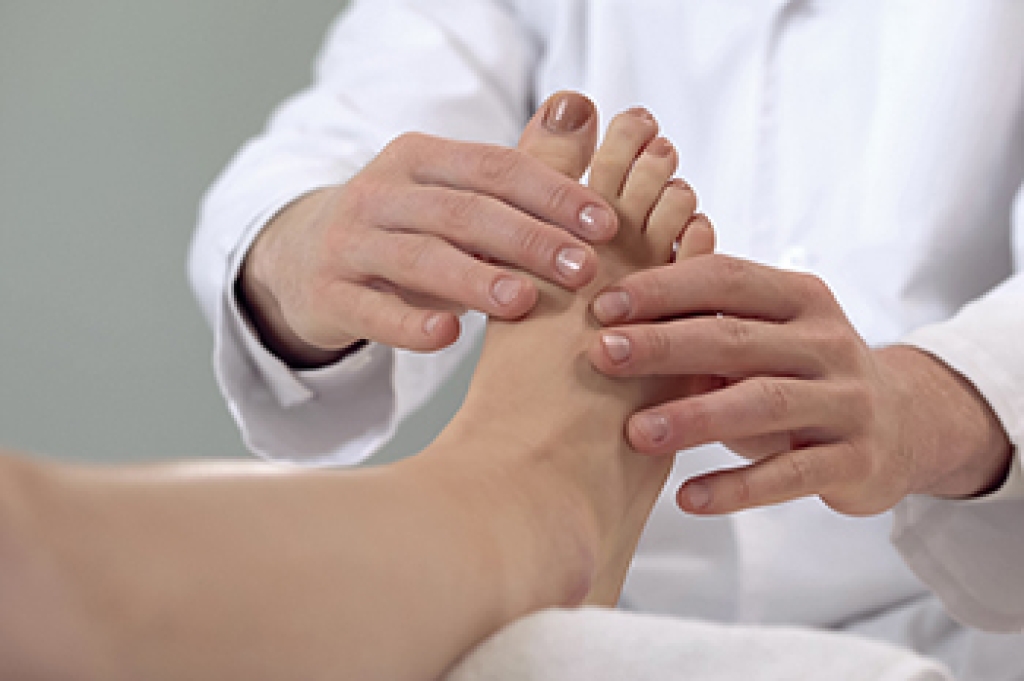
The study of how the foot moves through the gait cycle is called foot biomechanics. This is important in making sure your feet do not overpronate or over-supinate so the feet absorb shock when they hit the ground and propel forward movement properly. If the foot overpronates, it causes the foot to flatten too much and the ankle and knee to roll inward. This can increase the risk of injury and cause lower leg, hip, and back injuries. If the foot does over-supinate, it fails to roll in or flatten sufficiently and will not be able to absorb shock. Those who over supinate have high arches and less flexible feet. To prevent injuries from occurring from improper pronation, visit a podiatrist who can access your gait and analyze how your foot works. If something is wrong, a podiatrist can provide the proper treatment.

If you have any concerns about your feet, contact our podiatrists from Superior Foot & Ankle Center. Our doctors can provide the care you need to keep you pain-free and on your feet.

Biomechanics in Podiatry

Podiatric biomechanics is a particular sector of specialty podiatry with licensed practitioners who are trained to diagnose and treat conditions affecting the foot, ankle and lower leg. Biomechanics deals with the forces that act against the body, causing an interference with the biological structures. It focuses on the movement of the ankle, the foot and the forces that interact with them.

A History of Biomechanics

  • Biomechanics dates back to the BC era in Egypt where evidence of professional foot care has been recorded.
  • In 1974, biomechanics gained a higher profile from the studies of Merton Root, who claimed that by changing or controlling the forces between the ankle and the foot, corrections or conditions could be implemented to gain strength and coordination in the area.

Modern technological improvements are based on past theories and therapeutic processes that provide a better understanding of podiatric concepts for biomechanics. Computers can provide accurate information about the forces and patterns of the feet and lower legs.

Understanding biomechanics of the feet can help improve and eliminate pain, stopping further stress to the foot.

If you have any questions please feel free to contact our office located in Long Beach, CA . We offer the newest diagnostic and treatment technologies for all your foot and ankle needs.
Read more about Biomechanics in Podiatry

Pain From Ankle Avulsion Fractures

The ankle is one of the most critical parts of the human body because it enables the foot to move upwards and downwards. However, the ankle can be susceptible to painful sensations. For example, ankle avulsion fractures can cause pain in the ankles. This condition occurs when a tendon or ligament is torn and part of a bone is taken with it. Ankle avulsion fractures can feel very similar to ankle sprains, in terms of pain felt and swelling around the affected area. X-rays are usually required to identify ankle avulsion fractures and to distinguish them from regular ankle sprains. Treatment options for those suffering from an ankle avulsion fracture vary widely, depending on the severity of the case. Schedule an appointment with a podiatrist today if you have ankle pain or an ankle avulsion fracture.

Ankle pain can be caused by a number of problems and may be potentially serious. If you have ankle pain, consult with our podiatrists from Superior Foot & Ankle Center. Our doctors will assess your condition and provide you with quality foot and ankle treatment.

Ankle pain is any condition that causes pain in the ankle. Due to the fact that the ankle consists of tendons, muscles, bones, and ligaments, ankle pain can come from a number of different conditions.

Causes

The most common causes of ankle pain include:

  • Types of arthritis (rheumatoid, osteoarthritis, and gout)
  • Ankle sprains
  • Broken ankles
  • Achilles tendonitis
  • Achilles tendon rupture
  • Stress fractures
  • Bursitis
  • Tarsal tunnel syndrome
  • Plantar fasciitis

Symptoms

Symptoms of ankle injury vary based upon the condition. Pain may include general pain and discomfort, swelling, aching, redness, bruising, burning or stabbing sensations, and/or loss of sensation.

Diagnosis

Due to the wide variety of potential causes of ankle pain, podiatrists will utilize a number of different methods to properly diagnose ankle pain. This can include asking for personal and family medical histories and of any recent injuries. Further diagnosis may include sensation tests, a physical examination, and potentially x-rays or other imaging tests.

Treatment

Just as the range of causes varies widely, so do treatments. Some more common treatments are rest, ice packs, keeping pressure off the foot, orthotics and braces, medication for inflammation and pain, and surgery.

If you have any questions please feel free to contact our office located in Long Beach, CA . We offer the newest diagnostic tools and technology to treat your foot and ankle needs.

Read more about Ankle Pain

Sesamoiditis and High Heeled Footwear

Sesamoiditis is a pernicious or gradual foot condition that can impact a wide variety of individuals. Primarily affecting the two small, bead-like sesamoid bones beneath the big toe joint, sesamoiditis can bring about sensations of pain beneath the big toe. There are a number of different activities that can aggravate sesamoiditis and wearing high-heeled shoes is one of them. By their very structure, high heels force an individual to put their weight onto their toes and forefoot. Thus, when an individual wears high heels, they are forced to put their weight on and around the sesamoid bones. If you develop or aggravate sesamoiditis in connection with wearing high heels, this may make it significantly difficult to continue wearing heels. Therefore, you might consider providing your sesamoids with relief by alternating days in which you wear high heels. You could also opt for wedges or shoes that offer a lower heel. It is advised to wear high heels with caution because not only can they aggravate cases of sesamoiditis, but they can also cause a number of different foot conditions. Consult with a podiatrist today if you want to learn more about sesamoiditis and foot care. 

Sesamoiditis is an unpleasant foot condition characterized by pain in the balls of the feet. If you think you’re struggling with sesamoiditis, contact our podiatrists of Superior Foot & Ankle Center. Our doctors will treat your condition thoroughly and effectively.

Sesamoiditis

Sesamoiditis is a condition of the foot that affects the ball of the foot. It is more common in younger people than it is in older people. It can also occur with people who have begun a new exercise program, since their bodies are adjusting to the new physical regimen. Pain may also be caused by the inflammation of tendons surrounding the bones. It is important to seek treatment in its early stages because if you ignore the pain, this condition can lead to more serious problems such as severe irritation and bone fractures.

Causes of Sesamoiditis

  • Sudden increase in activity
  • Increase in physically strenuous movement without a proper warm up or build up
  • Foot structure: those who have smaller, bonier feet or those with a high arch may be more susceptible

Treatment for sesamoiditis is non-invasive and simple. Doctors may recommend a strict rest period where the patient forgoes most physical activity. This will help give the patient time to heal their feet through limited activity. For serious cases, it is best to speak with your doctor to determine a treatment option that will help your specific needs.

If you have any questions please feel free to contact our office located in Long Beach, CA . We offer the newest diagnostic and treatment technologies for all your foot and ankle needs.
Read more about Sesamoiditis

Recognizing and Treating Plantar Warts

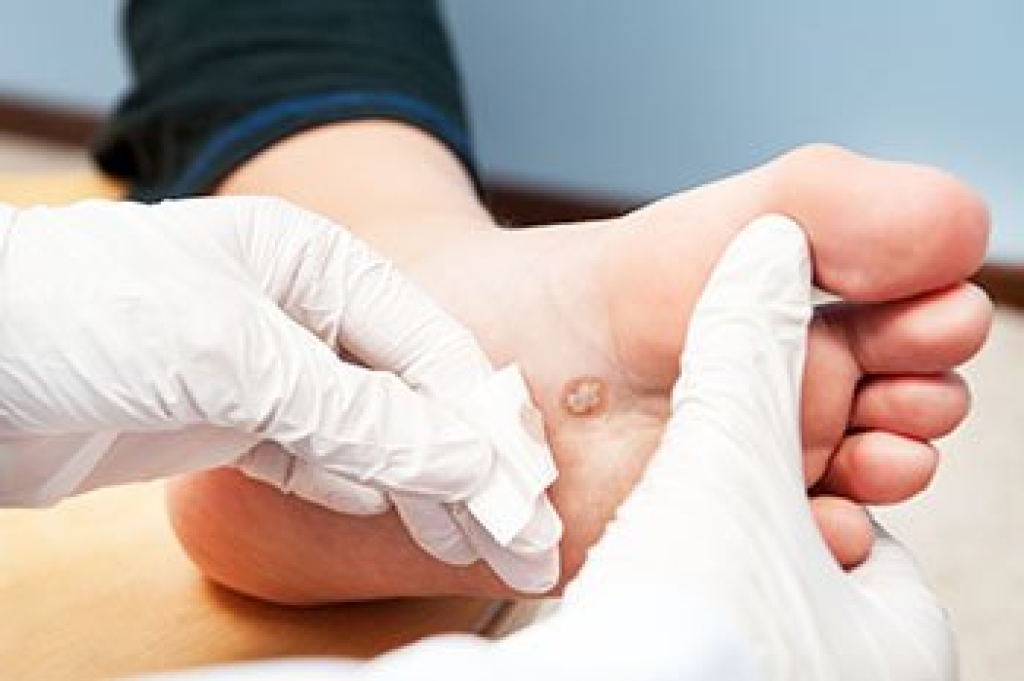
Viral infections caused by the human papillomavirus (HPV) that enter the skin of the feet through cuts or breaks can lead to the development of a plantar wart. These are thickened, rough growths of a lighter color than skin that are typically flat, and may have a ridged pattern. They usually develop in high pressure areas, such as the heel and ball of the foot. A small, clotted blood vessel can sometimes be visible, looking like a dark dot in the center of the wart. Sometimes plantar warts grow individually, or they may form in clusters, called mosaics. Because plantar warts grow on the bottom of the feet, they can be painful as the weight of the body bears down on them while standing or walking. Plantar warts are highly contagious, with the HPV spreading through direct contact with another person’s skin, or by sharing personal hygiene items, footwear, or towels that are infected with the virus. Plantar warts are hearty, making them difficult to treat, and have a high rate of recurrence if not completely eradicated. Therefore, plantar warts usually require professional care from a podiatrist who can use a variety of effective treatments to quickly and permanently treat them.

Plantar warts can be very uncomfortable. If you need your feet checked, contact our podiatrists from Superior Foot & Ankle Center. Our doctors will assist you with all of your foot and ankle needs.

About Plantar Warts

Plantar warts are the result of HPV, or human papillomavirus, getting into open wounds on the feet. They are mostly found on the heels or balls of the feet.

While plantar warts are generally harmless, those experiencing excessive pain or those suffering from diabetes or a compromised immune system require immediate medical care. Plantar warts are easily diagnosed, usually through scraping off a bit of rough skin or by getting a biopsy.

Symptoms

  • Lesions on the bottom of your feet, usually rough and grainy
  • Hard or thick callused spots
  • Wart seeds, which are small clotted blood vessels that look like little black spots
  • Pain, discomfort, or tenderness of your feet when walking or standing

Treatment

  • Freezing
  • Electric tool removal
  • Laser Treatment
  • Topical Creams (prescription only)
  • Over-the-counter medications

To help prevent developing plantar warts, avoid walking barefoot over abrasive surfaces that can cause cuts or wounds for HPV to get into. Avoiding direct contact with other warts, as well as not picking or rubbing existing warts, can help prevent the further spread of plantar warts. However, if you think you have developed plantar warts, speak to your podiatrist. He or she can diagnose the warts on your feet and recommend the appropriate treatment options.

If you have any questions please feel free to contact our office located in Long Beach, CA . We offer the newest diagnostic and treatment technologies for all your foot and ankle needs.

Read more about Plantar Warts

Stay Safe While Being Active This Summer

For many, summertime means time to get out and get active. Before trying a new sport or physical activity, be sure to properly stretch and gradually increase intensity to prevent injuries.

If you need treatment for an injury or would like to learn about injury prevention, schedule an appointment.

Connect With Us