Top 5 Causes of Swollen Feet 

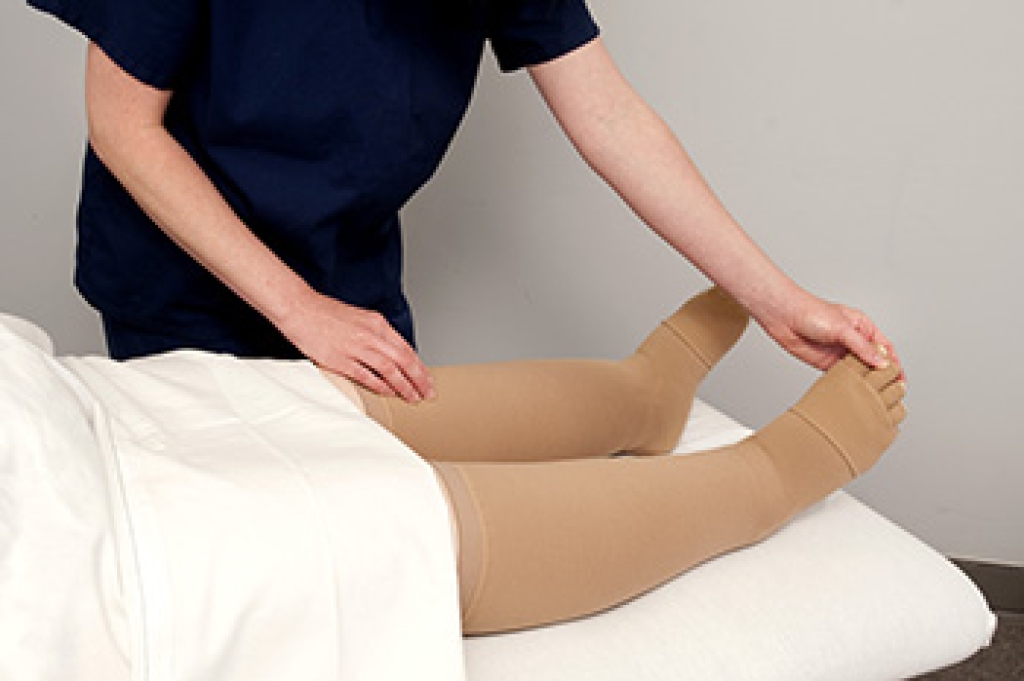
There are many possible causes of swollen feet—ranging from mild, temporary conditions to severe medical emergencies. Here is a run-down of the top 5: 1) Trauma. After an injury, the body’s inflammatory response floods the injured area with white blood cells, antibodies, proteins, and other fluids, causing swelling and inflammation. 2) Diseases. Diseases of the heart, kidney, liver, and lymphatic system can compromise the body’s ability to pump or regulate the blood, and expel wastes, causing a build-up of fluid in various parts of the body—including the feet and legs. 3) Venous Insufficiency. Swelling in the feet and legs may occur when the venous valves—which return blood back to the heart—are damaged and dysfunctional. 4) Pregnancy. Hormonal surges and a growing uterus pressurize veins and increase water and sodium—leading to edema (swelling) in the feet, hands, and legs. 5) Inactivity. Sitting or standing still for prolonged periods of time can cause fluid to temporarily accumulate in the tissues of the feet and ankles. If your feet or ankles become swollen or painful, schedule an appointment with a podiatrist.

Foot Pain

Foot pain can be extremely painful and debilitating. If you have a foot pain, consult with our podiatrists from Superior Foot & Ankle Center. Our doctors will assess your condition and provide you with quality foot and ankle treatment.

Causes

Foot pain is a very broad condition that could be caused by one or more ailments. The most common include:

  • Bunions
  • Hammertoes
  • Plantar Fasciitis
  • Bone Spurs
  • Corns
  • Tarsal Tunnel Syndrome
  • Ingrown Toenails
  • Arthritis (such as Gout, Rheumatoid, and Osteoarthritis)
  • Flat Feet
  • Injury (from stress fractures, broken toe, foot, ankle, Achilles tendon ruptures, and sprains)
  • And more

Diagnosis

To figure out the cause of foot pain, podiatrists utilize several different methods. This can range from simple visual inspections and sensation tests to X-rays and MRI scans. Prior medical history, family medical history, and any recent physical traumatic events will all be taken into consideration for a proper diagnosis.

Treatment

Treatment depends upon the cause of the foot pain. Whether it is resting, staying off the foot, or having surgery; podiatrists have a number of treatment options available for foot pain.

If you have any questions, please feel free to contact our office located in Long Beach, CA . We offer the newest diagnostic and treatment technologies for all your foot care needs.

Read more about Foot Pain

How Do Doctors Treat Diabetic Foot Ulcers?

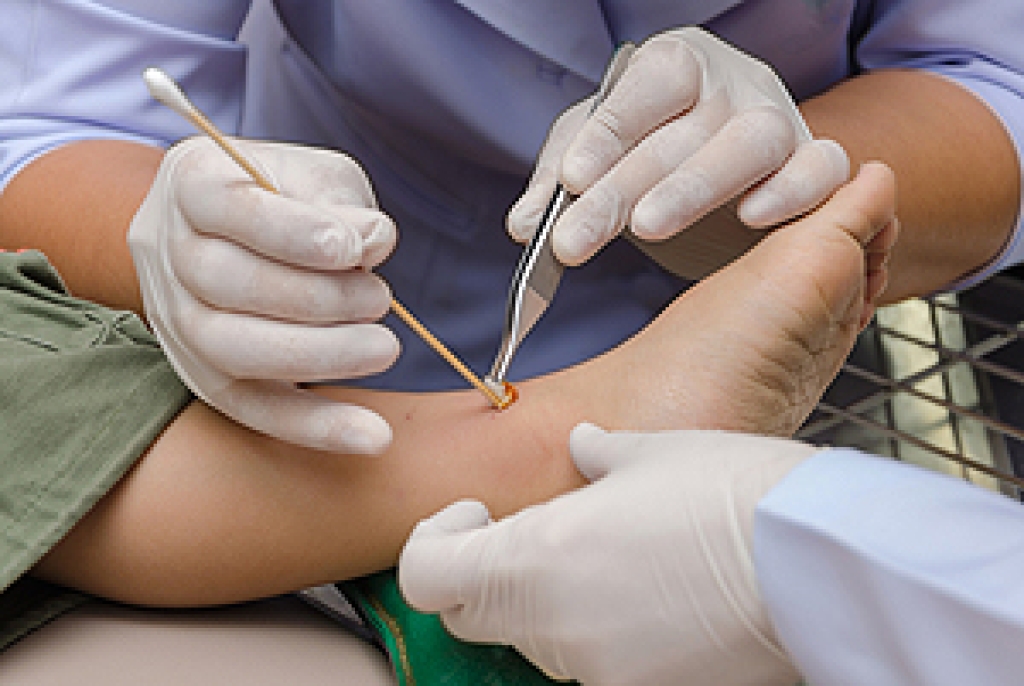
Diabetic foot ulcers (DFUs) are a common complication of that can occur because of diabetes. People with diabetes often have poor circulation and neuropathy which make foot wounds slow to heal and difficult to detect. If your doctor spots a DFU on your foot, there are several potential treatment options, depending on the severity of the wound. Your doctor may debride the wound by removing dead tissue. A bandage will usually be placed over the wound to keep the area moist and protect it from infection. Taking pressure off of the wound, by resting the foot and using cushions, braces, or orthotics, will help it heal. In very severe cases, surgery may be necessary. If you have a DFU, please seek the care of a podiatrist. 

Wound care is an important part in dealing with diabetes. If you have diabetes and a foot wound or would like more information about wound care for diabetics, consult with our podiatrists from Superior Foot & Ankle Center. Our doctors will assess your condition and provide you with quality foot and ankle treatment.

What Is Wound Care?

Wound care is the practice of taking proper care of a wound. This can range from the smallest to the largest of wounds. While everyone can benefit from proper wound care, it is much more important for diabetics. Diabetics often suffer from poor blood circulation which causes wounds to heal much slower than they would in a non-diabetic. 

What Is the Importance of Wound Care?

While it may not seem apparent with small ulcers on the foot, for diabetics, any size ulcer can become infected. Diabetics often also suffer from neuropathy, or nerve loss. This means they might not even feel when they have an ulcer on their foot. If the wound becomes severely infected, amputation may be necessary. Therefore, it is of the upmost importance to properly care for any and all foot wounds.

How to Care for Wounds

The best way to care for foot wounds is to prevent them. For diabetics, this means daily inspections of the feet for any signs of abnormalities or ulcers. It is also recommended to see a podiatrist several times a year for a foot inspection. If you do have an ulcer, run the wound under water to clear dirt from the wound; then apply antibiotic ointment to the wound and cover with a bandage. Bandages should be changed daily and keeping pressure off the wound is smart. It is advised to see a podiatrist, who can keep an eye on it.

If you have any questions please contact our office located in Long Beach, CA . We offer the newest diagnostic and treatment technologies for all your foot and ankle needs.

Read more about Wound Care

What Is a Nail Avulsion?

A nail avulsion is a surgical procedure that is used to treat severe ingrown toenails. During the surgery, the doctor removes the ingrown part of your nail from the surrounding skin. There are two types of nail avulsions. A partial nail avulsion involves removal of part of the nail bed. During this procedure, the nail is numbed with anesthetic and the ingrown edge is removed. Any pus is also drained. A total nail avulsion involves the complete removal of the nail. It can take a year or longer for a new nail to grow back. This operation is usually reserved for chronic cases that have not responded to any other treatments. If you have ingrown toenails, please seek the care of a podiatrist, who will find the right treatment for you. 

Ingrown toenails can become painful if they are not treated properly. For more information about ingrown toenails, contact our podiatrists of Superior Foot & Ankle Center. Our doctors can provide the care you need to keep you pain-free and on your feet.

Ingrown Toenails

Ingrown toenails occur when a toenail grows sideways into the bed of the nail, causing pain, swelling, and possibly infection.

Causes

  • Bacterial infections
  • Improper nail cutting such as cutting it too short or not straight across
  • Trauma to the toe, such as stubbing, which causes the nail to grow back irregularly
  • Ill-fitting shoes that bunch the toes too close together
  • Genetic predisposition

Prevention

Because ingrown toenails are not something found outside of shoe-wearing cultures, going barefoot as often as possible will decrease the likeliness of developing ingrown toenails. Wearing proper fitting shoes and using proper cutting techniques will also help decrease your risk of developing ingrown toenails.

Treatment

Ingrown toenails are a very treatable foot condition. In minor cases, soaking the affected area in salt or antibacterial soaps will not only help with the ingrown nail itself, but also help prevent any infections from occurring. In more severe cases, surgery is an option. In either case, speaking to your podiatrist about this condition will help you get a better understanding of specific treatment options that are right for you.

If you have any questions please feel free to contact our office located in Long Beach, CA . We offer the newest diagnostic and treatment technologies for all your foot and ankle needs.

Read more about Ingrown Toenail Care

An Overview of Plantar Warts

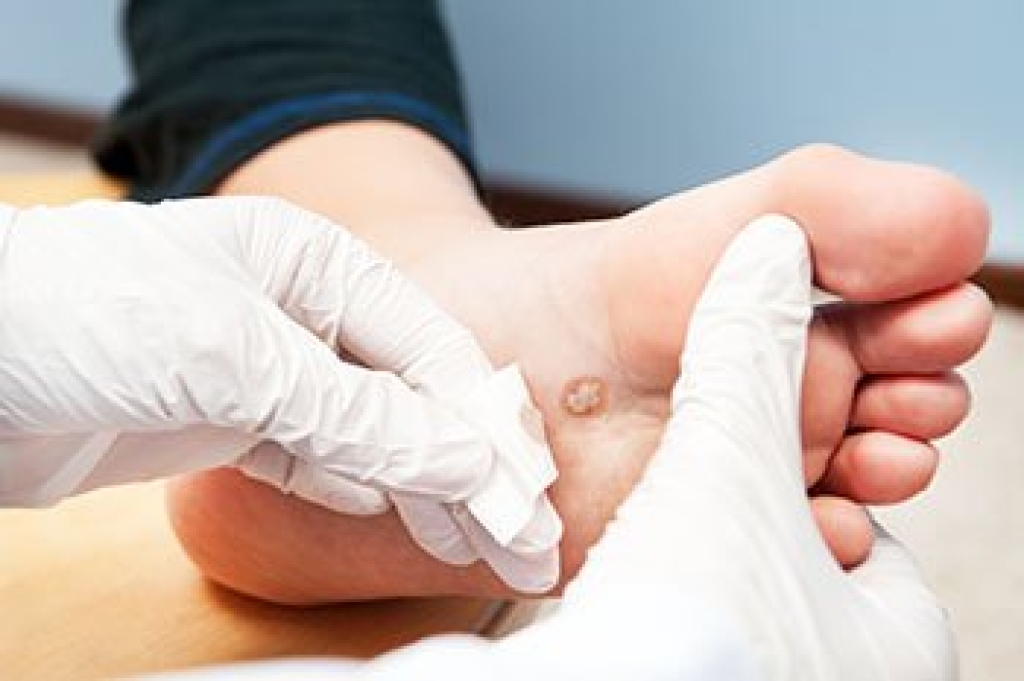
Plantar warts are fleshy skin growths that form on the soles of the feet due to a human papillomavirus (HPV) infection of the skin. These warts are usually bumps with a dry, rough surface and may resemble a callus. They can be painful if they grow in an area that is under pressure, like the ball or heel of the foot. Plantar warts are usually not a serious cause for concern, and most go away on their own eventually. However, if you have a plantar wart that is painful, uncomfortable, or has spread to other areas of your foot, don’t hesitate to make an appointment with a podiatrist. While plantar warts are highly contagious, they can be prevented. To prevent an infection, you should avoid sharing personal items like shoes, socks, and towels with others and should wear shoes when walking in public areas. 

Plantar warts can be very uncomfortable. If you need your feet checked, contact our podiatrists from Superior Foot & Ankle Center. Our doctors will assist you with all of your foot and ankle needs.

About Plantar Warts

Plantar warts are the result of HPV, or human papillomavirus, getting into open wounds on the feet. They are mostly found on the heels or balls of the feet.

While plantar warts are generally harmless, those experiencing excessive pain or those suffering from diabetes or a compromised immune system require immediate medical care. Plantar warts are easily diagnosed, usually through scraping off a bit of rough skin or by getting a biopsy.

Symptoms

  • Lesions on the bottom of your feet, usually rough and grainy
  • Hard or thick callused spots
  • Wart seeds, which are small clotted blood vessels that look like little black spots
  • Pain, discomfort, or tenderness of your feet when walking or standing

Treatment

  • Freezing
  • Electric tool removal
  • Laser Treatment
  • Topical Creams (prescription only)
  • Over-the-counter medications

To help prevent developing plantar warts, avoid walking barefoot over abrasive surfaces that can cause cuts or wounds for HPV to get into. Avoiding direct contact with other warts, as well as not picking or rubbing existing warts, can help prevent the further spread of plantar warts. However, if you think you have developed plantar warts, speak to your podiatrist. He or she can diagnose the warts on your feet and recommend the appropriate treatment options.

If you have any questions, please feel free to contact our office located in Long Beach, CA . We offer the newest diagnostic and treatment technologies for all your foot care needs.

Read more about All About Plantar Warts

Connect With Us