For many, summertime means time to get out and get active. Before trying a new sport or physical activity, be sure to properly stretch and gradually increase intensity to prevent injuries.
If you need treatment for an injury or would like to learn about injury prevention, schedule an appointment.
Bunion surgery is designed to alleviate pain and correct the misalignment caused by bunions. The procedure may involve several techniques depending on the severity and specific characteristics of the bunion. Exostectomy is the removal of the bony bump, while osteotomy realigns the bones of the toe to correct its position. Arthrodesis, or fusion surgery, involves joining two bones in the toe to stabilize the joint and reduce pain. Resection arthroplasty removes the damaged joint and reshapes the bones to improve function. Post-surgery, you can expect a recovery period involving rest, wearing special footwear, and gradual rehabilitation exercises. If you have a bunion that is causing discomfort, it is suggested that you consult a podiatrist who can determine if surgery is right for you.
Foot surgery is sometimes necessary to treat a foot ailment. To learn more, contact our podiatrists of Superior Foot & Ankle Center. Our doctors will assist you with all of your foot and ankle needs.
When Is Surgery Necessary?
Foot and ankle surgery is generally reserved for cases in which less invasive, conservative procedures have failed to alleviate the problem. Some of the cases in which surgery may be necessary include:
Removing foot deformities like bunions and bone spurs
Severe arthritis that has caused bone issues
Cosmetic reconstruction
What Types of Surgery Are There?
The type of surgery you receive will depend on the nature of the problem you have. Some of the possible surgeries include:
Bunionectomy for painful bunions
Surgical fusion for realignment of bones
Neuropathy decompression surgery to treat nerve damage
Benefits of Surgery
Although surgery is usually a last resort, it can provide more complete pain relief compared to non-surgical methods and may allow you to finally resume full activity.
Surgical techniques have also become increasingly sophisticated. Techniques like endoscopic surgery allow for smaller incisions and faster recovery times.
If you have any questions, please feel free to contact our office located in Long Beach, CA. We offer the newest diagnostic and treatment technologies for all your foot care needs.
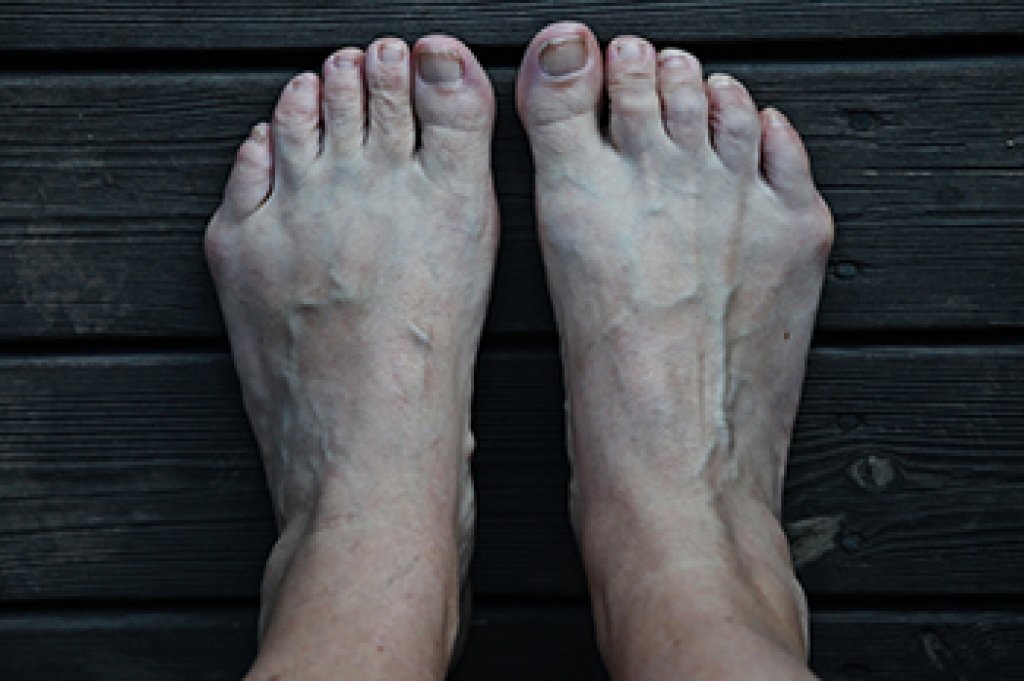
A tailor's bunion, also known as a bunionette, is a bony bump that forms on the outside of the foot near the base of the little toe. Unlike a regular bunion, which occurs on the inner side of the big toe, a tailor's bunion develops from pressure and misalignment of the little toe. The condition often results from wearing tight, narrow shoes or high heels that squeeze the toes, leading to the protrusion. Tailor's bunions can cause discomfort, pain, and difficulty finding well-fitting footwear. The pain may be aggravated by friction or pressure from shoes. Treatment for a tailor's bunion involves wearing wider, more comfortable shoes, using padding to reduce pressure, and potentially wearing orthotics to correct foot alignment. In severe cases, surgery may be necessary to realign the toe and remove the bony bump. If you have a painful tailor’s bunion, it is suggested that you schedule an appointment with a podiatrist for a proper diagnosis and relief options.
If you are suffering from bunions, contact our podiatrists of Superior Foot & Ankle Center. Our doctors can provide the care you need to keep you pain-free and on your feet.
What Is a Bunion?
A bunion is formed of swollen tissue or an enlargement of boney growth, usually located at the base joint of the toe that connects to the foot. The swelling occurs due to the bones in the big toe shifting inward, which impacts the other toes of the foot. This causes the area around the base of the big toe to become inflamed and painful.
Why Do Bunions Form?
Genetics – Susceptibility to bunions are often hereditary
Stress on the feet – Poorly fitted and uncomfortable footwear that places stress on feet, such as heels, can worsen existing bunions
How Are Bunions Diagnosed?
Podiatrists often perform two tests – blood tests and x-rays – when trying to diagnose bunions, especially in the early stages of development. Blood tests help determine if the foot pain is being caused by something else, such as arthritis, while x-rays provide a clear picture of your bone structure to your provider.
How Are Bunions Treated?
Refrain from wearing heels or similar shoes that cause discomfort
Select wider shoes that can provide more comfort and reduce pain
Anti-inflammatory and pain management drugs
Orthotics or foot inserts
Surgery
If you have any questions, please feel free to contact our office located in Long Beach, CA. We offer the newest diagnostic and treatment technologies for all your foot care needs.
Early detection of foot arthritis can significantly impact treatment and management. Initial signs often include persistent joint pain, particularly in the toes or arches, which may worsen with activity. Swelling and tenderness around the affected joints are common, often accompanied by stiffness, especially in the morning or after periods of inactivity. As arthritis progresses, you may notice a reduced range of motion and difficulty in performing daily tasks, such as walking or climbing stairs. Changes in foot shape, like the formation of bunions or hammer toes, can also signal arthritis. Paying attention to these early symptoms and seeking medical advice promptly from a podiatrist can lead to effective management strategies. If you notice you have any of the above symptoms, it is suggested that you contact this type of doctor who can help you to manage this condition.
Arthritis can be a difficult condition to live with. If you are seeking treatment, contact our podiatrists from Superior Foot & Ankle Center. Our doctors can provide the care you need to keep you pain-free and on your feet.
Arthritic Foot Care
Arthritis is a joint disorder that involves the inflammation of different joints in your body, such as those in your feet. Arthritis is often caused by a degenerative joint disease and causes mild to severe pain in all affected areas. In addition to this, swelling and stiffness in the affected joints can also be a common symptom of arthritis.
In many cases, wearing ill-fitting shoes can worsen the effects and pain of arthritis. Wearing shoes that have a lower heel and extra room can help your feet feel more comfortable. In cases of rheumatoid arthritis, the arch in your foot may become problematic. Buying shoes with proper arch support that contour to your feet can help immensely.
Alleviating Arthritic Pain
Exercises that stretch the foot can prevent further pain and injury and increase mobility
Most of the pain can be alleviated with anti-inflammatory drugs, heat, and topical medications
Massages can help temporarily alleviate pain.
It is best to see your doctor for the treatment that is right for your needs and symptoms. Conditions vary, and a podiatrist can help you determine the right method of care for your feet.
If you have any questions please feel free to contact our office located in Long Beach, CA. We offer the newest diagnostic tools and technology to treat your foot and ankle needs.
Broken feet are often caused by trauma, such as falls, sports injuries, or accidents. Common types of foot fractures can include stress fractures from repetitive impact and acute fractures resulting from sudden injuries. Symptoms of a broken foot typically include severe pain, swelling, and difficulty walking or bearing weight on the affected foot. Immediate treatment focuses on minimizing movement and immobilizing the foot to prevent further damage. For minor fractures rest and elevation are recommended, along with a cast or splint to stabilize the foot. More serious fractures may require realignment of the bones through surgery and the use of internal fixation devices. Pain management with medications in addition to exercises to regain strength and mobility are often necessary for a full recovery. If you suspect you have a broken foot, it is suggested that you schedule an appointment with a podiatrist for specialized care to ensure proper healing and prevent complications.
A broken foot requires immediate medical attention and treatment. If you need your feet checked, contact our podiatrists from Superior Foot & Ankle Center. Our doctors can provide the care you need to keep you pain-free and on your feet.
Broken Foot Causes, Symptoms, and Treatment
A broken foot is caused by one of the bones in the foot typically breaking when bended, crushed, or stretched beyond its natural capabilities. Usually the location of the fracture indicates how the break occurred, whether it was through an object, fall, or any other type of injury.
Common Symptoms of Broken Feet:
Bruising
Pain
Redness
Swelling
Blue in color
Numbness
Cold
Misshapen
Cuts
Deformities
Those that suspect they have a broken foot shoot seek urgent medical attention where a medical professional could diagnose the severity.
Treatment for broken bones varies depending on the cause, severity and location. Some will require the use of splints, casts or crutches while others could even involve surgery to repair the broken bones. Personal care includes the use of ice and keeping the foot stabilized and elevated.
If you have any questions, please feel free to contact our office located in Long Beach, CA. We offer the newest diagnostic and treatment technologies for all your foot care needs.