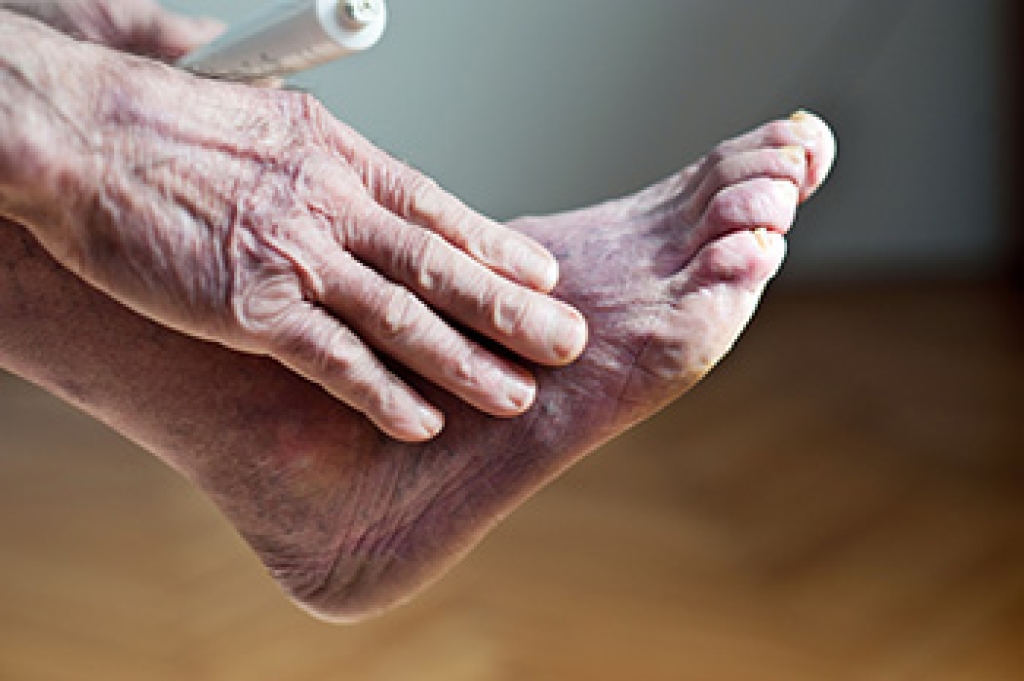
Several Reasons for Poor Circulation in the Feet

Poor circulation in the feet is common among diabetic patients. Acrocyanosis, which is a condition that can affect the extremities, and arteriosclerosis which can be triggered by high blood pressure are other reasons why this condition can develop. Poor circulation in the feet is the result of closed or narrow blood vessels, and patients who have this may be at risk for other health issues. Some of the symptoms that are associated with this condition include hair loss on the feet and legs, and dry or cracked skin. Additionally, people who have poor circulation may have weak toenails, and their feet may feel cold and have a bluish tint. The medical condition known as Raynaud’s disease syndrome may cause the blood vessels in the feet to become narrow, and this can limit the amount of blood that circulates. Additionally, peripheral artery disease (PAD) may contribute to poor circulation. This can cause the inability to feel existing cuts and scrapes that may have developed on the feet as a result of excessive plaque build up in the arteries. If you have poor circulation in your feet for any reason, please contact a podiatrist who can properly diagnose and treat this ailment.

Poor circulation is a serious condition and needs immediate medical attention. If you have any concerns with poor circulation in your feet contact our podiatrists of Superior Foot & Ankle Center. Our doctors will treat your foot and ankle needs.

Poor Circulation in the Feet

Poor blood circulation in the feet and legs is can be caused by peripheral artery disease (PAD), which is the result of a buildup of plaque in the arteries.

Plaque buildup or atherosclerosis results from excess calcium and cholesterol in the bloodstream. This can restrict the amount of blood which can flow through the arteries. Poor blood circulation in the feet and legs are sometimes caused by inflammation in the blood vessels, known as vasculitis.

Causes

Lack of oxygen and oxygen from poor blood circulation restricts muscle growth and development. It can also cause:

  • Muscle pain, stiffness, or weakness   
  • Numbness or cramping in the legs 
  • Skin discoloration
  • Slower nail & hair growth
  • Erectile dysfunction

Those who have diabetes or smoke are at greatest risk for poor circulation, as are those who are over 50. If you have poor circulation in the feet and legs it may be caused by PAD and is important to make changes to your lifestyle in order to reduce risk of getting a heart attack or stroke. Exercise and maintaining a healthy lifestyle will dramatically improve conditions.

As always, see a podiatrist as he or she will assist in finding a regimen that suits you. A podiatrist can also prescribe you any needed medication. 

If you have any questions please feel free to contact our office located in Long Beach, CA . We offer the newest diagnostic and treatment technologies for all your foot and ankle needs.

Read more about Causes, Symptoms, and Treatment of Poor Blood Circulation in the Feet

What Does a Podiatrist Treat?

A podiatrist is a specialized doctor whose main concern is the health of your ankles, feet and toes. Podiatrists can help improve mobility, relieve pain, and treat infections. They often play a role in treating chronic conditions, such as diabetes, which can adversely affect the feet. A podiatrist can offer advice on proper foot care and selecting footwear that fosters healthy feet and ankles. They also can create custom orthotic shoe inserts that work specifically to counteract any foot, gait, or other abnormalities you may have. Among the many conditions that a podiatrist can treat are ingrown toenails, corns and calluses, flat feet, bunions, plantar warts, and heel pain. In addition, podiatrists conduct surgery, reset broken bones, prescribe medications, and order lab tests, X-rays, and imaging tests. Podiatrists attend special podiatry colleges for four years and work in hospitals for three more years. They also get advanced certifications to perform surgery on feet and ankles and acquire the title of Doctor of Podiatric Medicine, or DPM, after their name. For help with your ankle, foot or toe problems, please make an appointment with a podiatrist.   

If you are experiencing pain in the feet or ankles, don’t join the stubborn majority refusing treatment. Feel free to contact our podiatrists from Superior Foot & Ankle Center. Our doctors can provide the care you need to keep you pain-free and on your feet.

What Is a Podiatrist?

Someone would seek the care of a podiatrist if they have suffered a foot injury or have common foot ailments such as heal spurs, bunions, arch problems, deformities, ingrown toenails, corns, foot and ankle problems, etc.

Podiatric Treatment

A podiatrist will treat the problematic areas of the feet, ankle or lower leg by prescribing the following:

  • Physical therapy
  • Drugs
  • Orthotic inserts or soles
  • Surgery on lower extremity fractures

A common podiatric procedure a podiatrist will use is a scanner or force plate which will allow the podiatrist to know the designs of orthotics. Patients are then told to follow a series of tasks to complete the treatment. The computer will scan the foot a see which areas show weight distribution and pressure points. The podiatrist will read the analysis and then determine which treatment plans are available.

If you have any questions please feel free to contact our office located in Long Beach, CA . We offer the newest diagnostic and treatment technologies for all your foot and ankle needs.

Read more about What is a Podiatrist?

Three Tips for Preventing Falls

As an individual gets older and older, their risk of suffering a dangerous trip or fall increases. Many things can make seniors more likely to trip. For example, having poor eyesight and taking medication that makes one feel dizzy as a side effect can increase their likelihood of falling. However, many factors are related to the feet that can also make falling likely. For example, ill-fitting footwear that is either too loose, bulky, or slippery can be dangerous. Instead of wearing this kind of footwear, it is recommended that seniors try to use shoes with non-slip soles. This will enable the senior to get a better grip on the ground, making tripping less probable. Additionally, to prevent falls at the very beginning of the day, a senior might consider ensuring that their feet can easily touch the floor from a seated position on their bed. When a senior takes their first steps of the day, they must do everything they can to increase their stability. Having their feet comfortably reach the floor from their bed is a great start. They might even try sitting in an upright position for a few minutes before putting their weight on their feet at the beginning of the day to stimulate blood flow. All of this makes falling less likely when taking the first steps of the day. If you are a senior looking to prevent a dangerous fall, contact a podiatrist.

Preventing falls among the elderly is very important. If you are older and have fallen or fear that you are prone to falling, consult with our podiatrists from Superior Foot & Ankle Center. Our doctors will assess your condition and provide you with quality advice and care.

Every 11 seconds, an elderly American is being treated in an emergency room for a fall related injury. Falls are the leading cause of head and hip injuries for those 65 and older. Due to decreases in strength, balance, senses, and lack of awareness, elderly persons are very susceptible to falling. Thankfully, there are a number of things older persons can do to prevent falls.

How to Prevent Falls

Some effective methods that older persons can do to prevent falls include:

  • Enrolling in strength and balance exercise program to increase balance and strength
  • Periodically having your sight and hearing checked
  • Discuss any medications you have with a doctor to see if it increases the risk of falling
  • Clearing the house of falling hazards and installing devices like grab bars and railings
  • Utilizing a walker or cane
  • Wearing shoes that provide good support and cushioning
  • Talking to family members about falling and increasing awareness

Falling can be a traumatic and embarrassing experience for elderly persons; this can make them less willing to leave the house, and less willing to talk to someone about their fears of falling. Doing such things, however, will increase the likelihood of tripping or losing one’s balance. Knowing the causes of falling and how to prevent them is the best way to mitigate the risk of serious injury.  

If you have any questions, please feel free to contact our office located in Long Beach, CA . We offer the newest diagnostic and treatment technologies for all your foot care needs.
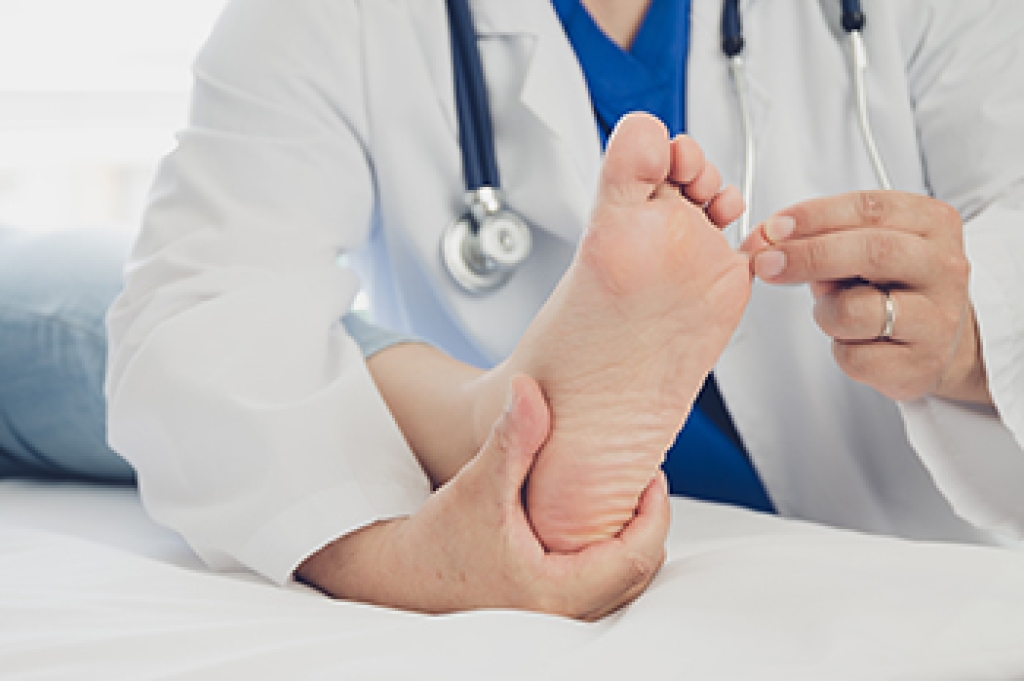
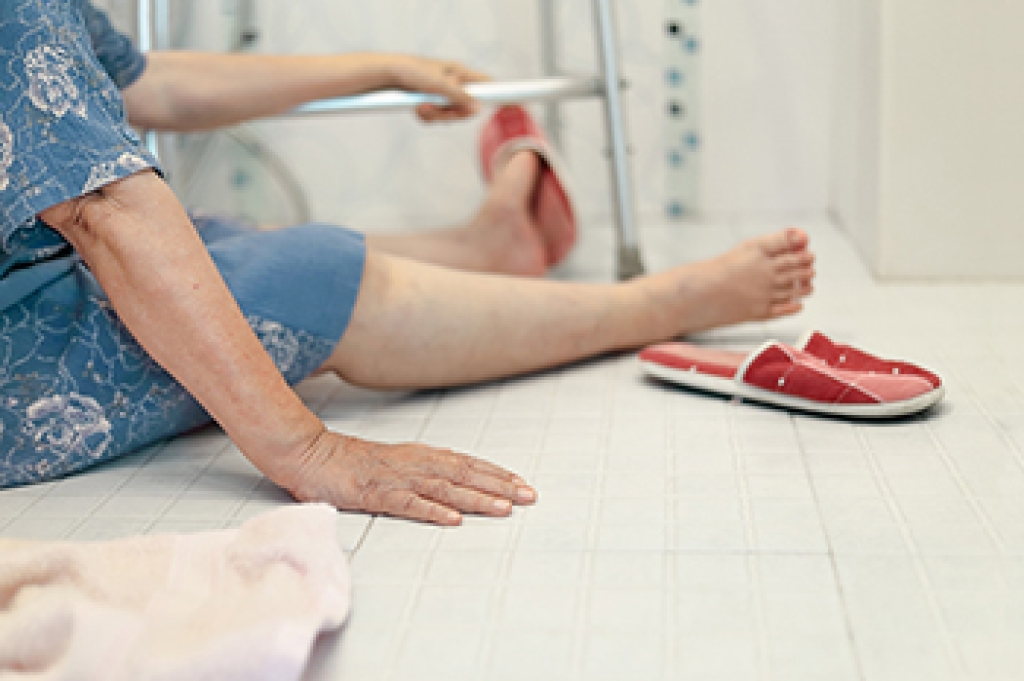
Read more about Falls Prevention

Causes of Cracked Heels

When we are born, our feet are soft, supple, and beautiful. As we age, the softness decreases and the skin on our feet can become thick, hard, and our heels can crack. It is when the thick, dry skin on our feet and heels become cracked that problems can arise. A heel crack is also known as a heel fissure. The skin cannot bear the pressure of our body if it is too dry, thick, and flaky, which creates cracks. It is an unpleasant and unsightly condition and sometimes severe cracks can bleed and become infected. Initially, the skin on the heels will look yellow or dark brown. Then thread-like cracks will appear. Skin on the feet and heels can become cracked from internal and external causes. Internal causes include lack of moisture, dehydration, poor nutrition, aging, obesity, genetics, some skin diseases (such as psoriasis, corns, eczema), and other health disorders, like diabetes. External factors causing cracked heels include prolonged standing, weight put on the feet (from lifting something heavy), poorly fitting shoes or shoes with open backs or hard soles, poor foot hygiene, excess contact with water (even bathing too frequently), exposure to winter weather, using harsh, drying soaps, or scrubbing too much. If you have cracked feet or heels and they are creating discomfort that is not mitigated by tending to the factors that created them, consult with a podiatrist who can treat the condition and teach you ways to prevent this from happening again.

Cracked heels are unsightly and can cause further damage to your shoes and feet. If you have any concerns, contact our podiatrists from Superior Foot & Ankle Center. Our doctors can provide the care you need to keep you pain-free and on your feet.

Cracked Heels

Cracked heels appear unappealing and can make it harder for you walk around in sandals. Aside from looking unpleasant, cracked heels can also tear stockings, socks, and wear out your shoes. There are several methods to help restore a cracked heel and prevent further damage.

How Do You Get Them?

Dry skin is the number one culprit in creating cracked heels. Many athletes, walkers, joggers, and even swimmers suffer from cracked heels. Age and skin oil production play a role to getting cracked heels as well.

Promote Healing

Over the counter medicines can help, especially for those that need instant relief or who suffer from chronic dry feet.

Wear Socks – Wearing socks with medicated creams helps lock in moisture.

Moisturizers – Applying both day and night will help alleviate dryness which causes cracking.

Pumice Stones – These exfoliate and remove dead skin, which allows for smoother moisturizer application and better absorption into the skin. 

Change in Diet

Eating healthy with a well-balanced diet will give the skin a fresh and radiant look. Your body responds to the kinds of food you ingest. Omega-3 fatty acids and zinc supplements can also revitalize skin tissue.

Most importantly, seek professional help if unsure how to proceed in treating cracked heels. A podiatrist will help you with any questions or information needed. 

If you have any questions, please feel free to contact our office located in Long Beach, CA . We offer the newest diagnostic and treatment technologies for all your foot care needs.
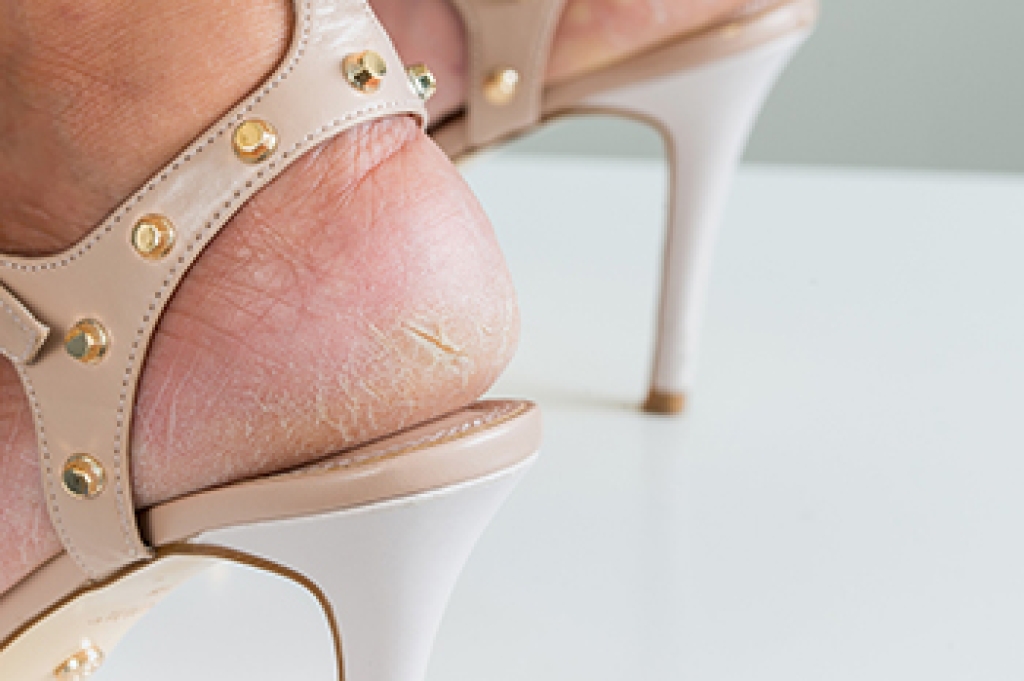
Read more about Solutions for Cracked Heels

How Aging Can Seriously Affect the Feet

By the time you reach the age of 50, experts say that you will have walked around 75,000 miles. As a result, the general wear and tear on the feet becomes more apparent. Fat pads, skin, and bones get thinner. Feet that have been pushed into tight shoes for years become deformed. Tendons and ligaments lose strength and fail to rebound as quickly. Arches are apt to fall, causing flat feet that can result in longer feet and toes. But many older people continue to wear or buy the same shoe size. Osteoarthritis often sets in, causing inflammation in any number of the foot’s 33 joints. Older people with chronic conditions, such as diabetes, may develop neuropathy and peripheral artery disease, both of which can cause other serious foot problems. All that said, there are ways to lessen the effects of aging on your feet. Consider custom orthotics to counteract the natural decline in foot efficiency. Be on the lookout for sores that do not heal properly. Stretch or do mild exercises to promote circulatory health. Wear shoes that fit properly and offer ample support and cushioning. Pay attention to unusual or new foot pain. Finally, it is wise to consult a podiatrist for regular exams. 

If you need your feet checked, contact our podiatrists of Superior Foot & Ankle Center. Our doctors will attend to all of your foot and ankle needs and provide you with quality treatment.

Geriatrics and Podiatry
When people age, some common issues that may occur are bone density loss, dry skin, poor circulation, and rough brittle nails. These issues may also affect your foot health if the necessary steps are not taken to alleviate the problems.

It is important to take care of your feet because feet that are injured or diseased can affect your overall health. Having painful feet hinders your ability to do daily activities or may decrease your willingness to do the things that you need to do.

Visiting Your Geriatrician
As we age, health problems become more likely, so it is essential to visit your doctor for check-ups to ensure that you are doing the best you can to take care of your health. It is recommended to check your feet frequently for any possible cuts, bruises, swelling, corns or any other irregularities. 

Taking Care of Elderly Feet
Cracked or dry feet can be treated by applying moisturizer often. It is also important not to wear old socks because the older the sock is, the higher the possibility there will be that there is bacteria there. Wear fresh socks and make sure they fit properly.

Proper foot health means that you can have a more active lifestyle and you will not be bogged down by pain. Foot health also leads to good circulation, which is paramount for overall health.

If you have any questions, please feel free to contact our office located in Long Beach, CA . We offer the newest diagnostic and treatment technologies for all your foot care needs.

Read more about Geriatrics and Podiatry

Connect With Us