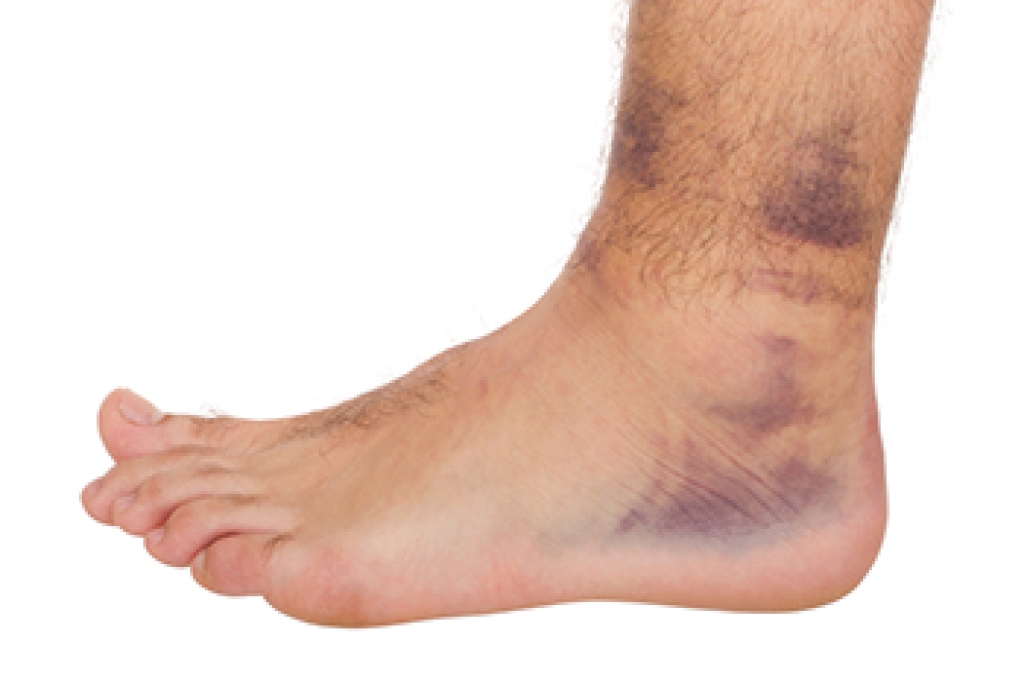
Recognizing Warning Signs of a Foot Stress Fracture

A foot stress fracture is a small bone crack that develops from repeated stress and overuse. It can occur when the force placed on a bone exceeds its ability to recover between activities. Stress fractures are common among athletes because running, jumping, and repeated training create continuous impact on the feet. The condition may develop gradually rather than following one obvious accident. Early symptoms often include localized pain, tenderness, and swelling on the top of the foot. As the injury progresses, walking may become uncomfortable or difficult, especially after physical activity.

Overuse is a major cause of foot stress fractures. Increasing mileage, changing training surfaces, or starting an intense exercise program without enough recovery can place excessive stress on the bones. Athletes may be at greater risk when they continue training despite persistent pain. Other risk factors include wearing improper footwear, weakened bones, and inadequate recovery between workouts. A previous stress fracture can also increase the likelihood of developing another one. Recognizing these factors can help athletes make informed choices about training and injury prevention.


A podiatrist can evaluate persistent foot pain and determine whether a stress fracture may be present. The process typically begins with a review of symptoms and physical activity, followed by examination of the foot and ankle. The podiatrist may check for localized tenderness, swelling, and changes in walking mechanics. X-rays can help identify fractures, although some stress injuries may require additional imaging for confirmation. A gradual return to activity is important once healing has progressed.


Athletes should not ignore pain that repeatedly develops in the same area during training. Continuing high-impact activity while a stress fracture is present can delay healing and potentially worsen the injury. If you have gradual foot pain, swelling on the top of the foot, or difficulty walking, it is suggested that you consult a podiatrist who can accurately diagnose and treat foot stress fractures.

Stress fractures occur when there is a tiny crack within a bone. To learn more, contact our podiatrists from Superior Foot & Ankle Center. Our doctors can provide the care you need to keep you pain free and on your feet.

How Are They Caused?

Stress fractures are the result of repetitive force being placed on the bone. Since the lower leg and feet often carry most of the body’s weight, stress fractures are likely to occur in these areas. If you rush into a new exercise, you are more likely to develop a stress fracture since you are starting too much, too soon.  Pain resulting from stress fractures may go unnoticed at first, however it may start to worsen over time.

Risk Factors

  • Gender – They are more commonly found in women compared to men.
  • Foot Problems – People with unusual arches in their feet are more likely to develop stress fractures.
  • Certain Sports – Dancers, gymnasts, tennis players, runners, and basketball players are more likely to develop stress fractures.
  • Lack of Nutrients – A lack of vitamin D and calcium may weaken the bones and make you more prone to stress fractures
  • Weak Bones – Osteoporosis can weaken the bones therefore resulting in stress fractures

Stress fractures do not always heal properly, so it is important that you seek help from a podiatrist if you suspect you may have one. Ignoring your stress fracture may cause it to worsen, and you may develop chronic pain as well as additional fractures.

If you have any questions please contact our office located in Long Beach, CA . We offer the newest diagnostic and treatment technologies for all your foot and ankle needs.

Read more about Stress Fractures of the Foot and Ankle

Cuboid Syndrome and Pain Along the Outer Foot

Cuboid syndrome is a possible cause of pain along the outer side of the foot. The cuboid is a small bone located in the middle and outer portion of the foot. It works with nearby joints and tissues to support movement and stability. Cuboid syndrome may occur when this bone and its surrounding joint do not move normally. It can develop after an ankle sprain or from repeated stress placed on the foot. Athletes may be especially affected because running and jumping can place repeated forces on this area. Pain can sometimes be difficult to identify because cuboid syndrome may resemble other causes of lateral foot pain.


Symptoms often include aching or tenderness along the outside of the midfoot. Pain may become more noticeable while standing, walking, or pushing off the foot. Some people develop swelling or experience discomfort that extends toward nearby areas. The condition may also change the way a person walks because placing normal pressure on the foot becomes painful. Cuboid syndrome can occur after an ankle injury, even when the original ankle symptoms begin to improve. There is no single test that confirms every case, so a careful examination is important. Other problems, including fractures and tendon injuries, may need to be ruled out before treatment begins.


A podiatrist can evaluate lateral foot pain and determine whether cuboid syndrome or another condition may be responsible. The examination may include checking foot movement, areas of tenderness, and walking patterns. Imaging may be used when another injury needs to be ruled out. If cuboid syndrome is diagnosed, podiatric treatment can focus on restoring comfortable joint function and addressing factors that place added stress on the foot. Treatment is based on the patient’s symptoms and the cause of the problem. If persistent outer foot pain or difficulty walking is affecting your mobility, it is suggested that you consult a podiatrist for an evaluation and appropriate treatment options.

Cuboid syndrome, also known as cuboid subluxation, occurs when the joints and ligaments near the cuboid bone in the foot become torn. If you have cuboid syndrome, consult with our podiatrists from Superior Foot & Ankle Center. Our doctors will assess your condition and provide you with quality foot and ankle treatment.

Cuboid syndrome is a common cause of lateral foot pain, which is pain on the outside of the foot. The condition may happen suddenly due to an ankle sprain, or it may develop slowly overtime from repetitive tension through the bone and surrounding structures.

Causes

The most common causes of cuboid syndrome include:

  • Injury – The most common cause of this ailment is an ankle sprain.
  • Repetitive Strain – Tension placed through the peroneus longus muscle from repetitive activities such as jumping and running may cause excessive traction on the bone causing it to sublux.
  • Altered Foot Biomechanics – Most people suffering from cuboid subluxation have flat feet.

Symptoms

A common symptom of cuboid syndrome is pain along the outside of the foot which can be felt in the ankle and toes. This pain may create walking difficulties and may cause those with the condition to walk with a limp.

Diagnosis

Diagnosis of cuboid syndrome is often difficult, and it is often misdiagnosed. X-rays, MRIs and CT scans often fail to properly show the cuboid subluxation. Although there isn’t a specific test used to diagnose cuboid syndrome, your podiatrist will usually check if pain is felt while pressing firmly on the cuboid bone of your foot.

Treatment

Just as the range of causes varies widely, so do treatments. Some more common treatments are ice therapy, rest, exercise, taping, and orthotics.

If you have any questions, please feel free to contact our office located in Long Beach, CA . We offer the newest diagnostic and treatment technologies for all your foot care needs.


Read more about Cuboid Syndrome

What Happens When You Sprain Your Ankle?

An ankle sprain occurs when the foot twists, rolls, or turns beyond its normal range and stretches the ligaments that support the ankle. Ligaments are bands of tissue that help hold the ankle joint in position. A sprain can happen during sports or after a step on an uneven surface. The force of landing with the foot at an awkward angle can stretch or tear these tissues. Pain and swelling can develop quickly. Some patients hear a pop at the time of injury. A severe sprain can also make bearing  weight difficult.

Ankle sprains are graded according to the amount of ligament damage. A grade 1 sprain involves mild stretching and limited damage. Grade 2 involves a partial tear and can cause reduced movement, while a grade 3 involves a complete ligament tear and can make the ankle unstable. Pain, swelling, and bruising can help show how serious the injury is. A broken bone can produce similar symptoms, so determining the exact cause matters. Repeated sprains can lead to chronic pain or a feeling that the ankle gives way.

A podiatrist can examine the injured ankle, check its movement, and determine which ligaments are affected. X-rays can help rule out a fracture when symptoms make the injuries difficult to distinguish. Treatment depends on the grade of the sprain and the stability of the ankle. A podiatrist can also check for joint damage after a serious sprain. A podiatrist can provide immobilization and supportive devices to protect the injured tissues while they heal. Proper treatment also helps reduce the risk of repeated sprains and long-term instability. If you have sprained an ankle, it is suggested that you schedule an appointment with a podiatrist for effective relief and treatment solutions..

Although ankle sprains are common, they aren’t always minor injuries. If you need your ankle injury looked at, contact our podiatrists from Superior Foot & Ankle Center. Our doctors can provide the care you need to keep you pain-free and on your feet.

How Does an Ankle Sprain Occur?

Ankle sprains are the result of a tear in the ligaments within the ankle. These injuries may happen when you make a rapid shifting movement while your foot is planted. A less common way to sprain your ankle is when your ankle rolls inward while your foot turns outward.

What Are the Symptoms?

  • Pain at the sight of the tear
  • Bruising/Swelling
  • Ankle area is tender to touch
  • In severe cases, may hear/feel something tear
  • Skin discoloration

Preventing a Sprain

  • Wearing appropriate shoes for the occasion
  • Stretching before exercises and sports
  • Knowing your limits

Treatment of a Sprain

In many cases, the RICE method (Rest, Ice, Compression, and Elevate) is used to treat ankle sprains. However, you should see a podiatrist to see which treatment option would work best with your injury. In severe cases, surgery may be required.

It is important to ask your doctor about rehab options after you receive treatment for your injury. Stretching, strength training, and balance exercises may help the ankle heal while also preventing further injury.

If you have any questions, please feel free to contact our office located in Long Beach, CA . We offer the newest diagnostic and treatment technologies for all your foot care needs.

Read more about Ankle Sprains

Recognizing Toenail Fungus and Its Early Warning Signs

Toenail fungus, medically known as onychomycosis, is a common condition that affects the nails of the feet. It occurs when fungi invade the nail bed, leading to changes in the appearance and structure of the nail. This condition often develops slowly and may begin as a small spot under the nail. It can spread and affect the entire nail, if left untreated. Understanding the definition of toenail fungus is important for recognizing early symptoms and preventing further progression.


Symptoms of toenail fungus can vary but often include nail thickening, discoloration, and crumbling edges. The nail may appear yellow, brown, or white and can become brittle and difficult to trim. In some cases, the nail may lift from the nail bed or develop an irregular shape. These changes may also be accompanied by mild discomfort or an unpleasant odor. Recognizing these symptoms early can help guide timely care and reduce the risk of complications.


The causes of toenail fungus are often linked to warm, moist environments that allow fungi to thrive. Conditions like athlete's foot can spread to the toenails and contribute to infection. Walking barefoot in public areas such as locker rooms or pools can increase exposure to fungal organisms. Risk factors include diabetes, poor circulation, and excessive sweating. Wearing tight or non breathable shoes also can contribute. These factors can create an environment that supports fungal growth and makes the nails more vulnerable.


Preventing toenail fungus involves maintaining proper foot hygiene, keeping nails clean and dry, and wearing well fitted, breathable footwear. Early attention to nail changes can prevent the condition from worsening and spreading. Addressing risk factors can also support healthier nails and overall foot health. If you notice symptoms of toenail fungus, it is suggested that you consult a podiatrist for effective relief and treatment solutions.

For more information about treatment, contact our podiatrists of Superior Foot & Ankle Center. Our doctors can provide the care you need to keep you pain-free and on your feet.

Toenail Fungus Treatment

Toenail fungus is a condition that affects many people and can be especially hard to get rid of. Fortunately, there are several methods to go about treating and avoiding it.

Antifungals & Deterrence

Oral antifungal medicine has been shown to be effective in many cases. It is important to consult with a podiatrist to determine the proper regiment for you, or potentially explore other options.

Applying foot powder on the feet and shoes helps keep the feet free of moisture and sweat.

Sandals or open toed shoes – Wearing these will allow air movement and help keep feet dry. They also expose your feet to light, which fungus cannot tolerate. Socks with moisture wicking material also help as well.

If you have any questions please contact our office located in Long Beach, CA . We offer the newest diagnostic and treatment technologies for all your foot and ankle needs.

Read more about How to Treat Your Toenail Fungus

Connect With Us