
Unsightly toenails or cracked heels? If your feet are still suffering from the harshness of this past winter, schedule an appointment to give them the care they need.
Unsightly toenails or cracked heels? If your feet are still suffering from the harshness of this past winter, schedule an appointment to give them the care they need.
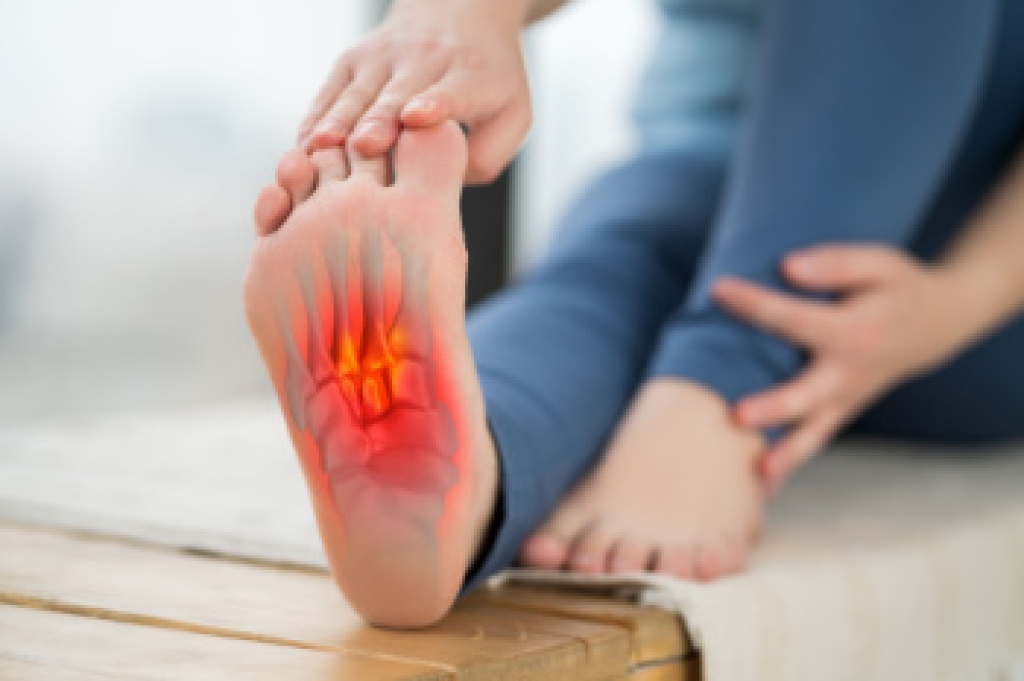
Stress fractures in the feet often occur subtly, making them challenging to detect without professional evaluation from a podiatrist. These hairline cracks in the bones of the feet develop gradually, often caused by an increase in physical activity. People who are especially active, like runners and other athletes, older adults, and those with low bone density are at a higher risk for foot stress fractures. Common symptoms include pain that intensifies during or after activity, swelling, and tenderness in the affected area. Unlike typical bone fractures, stress fractures may not immediately show up on X-rays, often taking several weeks to become visible. Podiatrists can accurately diagnose stress fractures by using imaging methods, such as bone scans or MRIs, to ensure the right treatment plan. They may recommend rest, support devices, or other interventions to help the bone heal and prevent further complications. If you have foot pain that may be caused by a stress fracture, it is suggested that you make an appointment with a podiatrist for appropriate treatment.
Activities where too much pressure is put on the feet can cause stress fractures. To learn more, contact our podiatrists from Superior Foot & Ankle Center. Our doctors can provide the care you need to keep your pain free and on your feet.
Dealing with Stress Fractures of the Foot and Ankle
Stress fractures occur in the foot and ankle when muscles in these areas weaken from too much or too little use. The feet and ankles then lose support when walking or running from the impact of the ground. Since there is no protection, the bones receive the full impact of each step. Stress on the feet can cause cracks to form in the bones, thus creating stress fractures.
What Are Stress Fractures?
Stress fractures occur frequently in individuals whose daily activities cause great impact on the feet and ankles. Stress factors are most common among:
Symptoms
Pain from the fractures occur in the area of the fractures and can be constant or intermittent. It will often cause sharp or dull pain with swelling and tenderness. Engaging in any kind of activity which involves high impact will aggravate pain.
If you have any questions please contact our office located in Long Beach, CA . We offer the newest diagnostic and treatment technologies for all your foot and ankle needs.
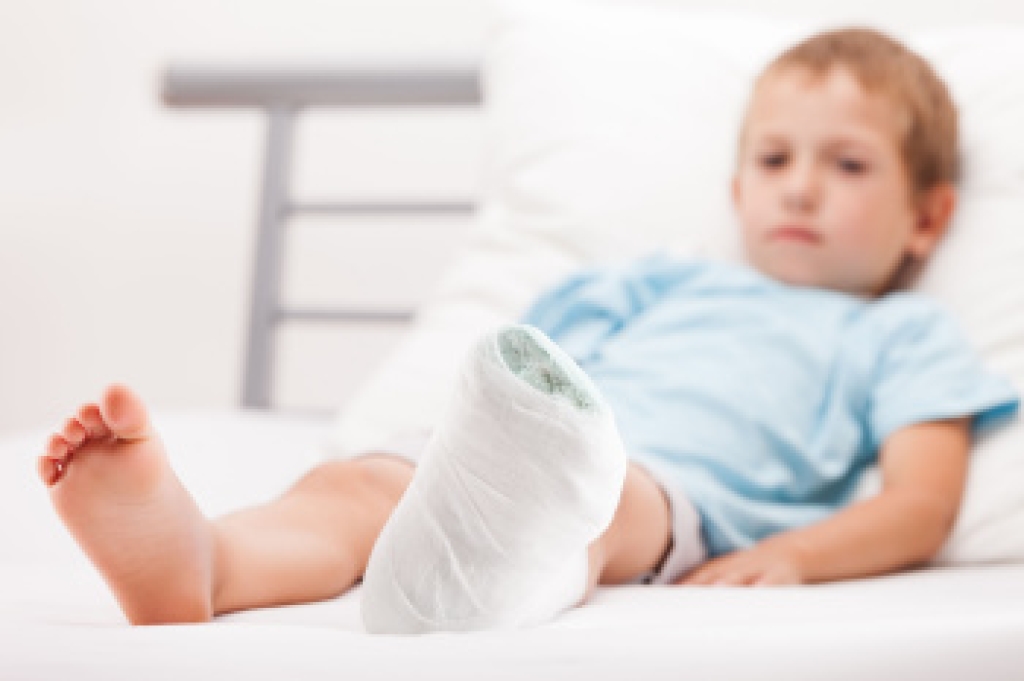
Foot and ankle injuries are common in kids and teens, particularly those involved in sports or physical activities. Growth spurts, active play, and the demands of youth athletics place unique stress on developing bones, ligaments, and tendons. Common injuries include ankle sprains, heel pain, often from Sever’s disease, stress fractures, and overuse injuries from repetitive motion, such as running or jumping. Sever’s disease, or calcaneal apophysitis, occurs when the growth plate in the heel becomes inflamed due to repetitive stress or overuse, causing heel pain and tenderness that often worsens with activity. Symptoms typically include pain, swelling, and difficulty in bearing weight. Treatment often involves rest, and a podiatrist may recommend targeted exercises or custom orthotics. If your child has incurred a foot or ankle injury, it is suggested that you visit a podiatrist for a proper diagnosis and treatment.
Foot and ankle trauma is common among athletes and the elderly. If you have concerns that you may have experienced trauma to the foot and ankle, consult with our podiatrists from Superior Foot & Ankle Center. Our doctors will assess your condition and provide you with quality foot and ankle treatment.
Foot and ankle trauma cover a range of injuries all over the foot; common injuries include:
Symptoms
Symptoms of foot and ankle injuries vary depending on the injury, but more common ones include:
Diagnosis
To properly diagnose the exact type of injury, podiatrists will conduct a number of different tests. Some of these include sensation and visual tests, X-rays, and MRIs. Medical and family histories will also be taken into account.
Treatment
Once the injury has been diagnosed, the podiatrist can than offer the best treatment options for you. In less severe cases, rest and keeping pressure off the foot may be all that’s necessary. Orthotics, such as a specially made shoes, or immobilization devices, like splints or casts, may be deemed necessary. Finally, if the injury is severe enough, surgery may be necessary.
If you have any questions, please feel free to contact our office located in Long Beach, CA . We offer the newest diagnostic and treatment technologies for all your foot care needs.

Body weight dependent foot loads are significant factors in understanding the biomechanics of movement in school-aged children. As children grow, their body weight increases, directly influencing the loads exerted on their feet during various activities such as walking, running, and jumping. Excessive foot loads can lead to discomfort and increase the risk of injuries, particularly in developing musculoskeletal systems. It is essential for parents and educators to encourage appropriate physical activities that promote healthy foot function and overall well-being. Providing well-fitted footwear that offers adequate support can help distribute loads evenly, reducing the risk of strain. Additionally, incorporating strength and flexibility exercises can enhance foot health and resilience. If your child has developed foot conditions from excess weight, it is suggested that you consult a podiatrist who can accurately monitor foot health.
Making sure that your children maintain good foot health is very important as they grow. If you have any questions, contact our podiatrists of Superior Foot & Ankle Center. Our doctors can provide the care you need to keep you pain-free and on your feet.
Keeping Children's Feet Healthy
Having healthy feet during childhood can help prevent medical problems later in life, namely in the back and legs. As children grow, their feet require different types of care. Here are some things to consider...
Although babies do not walk yet, it is still very important to take care of their feet.
Avoid putting tight shoes or socks on his or her feet.
Allow the baby to stretch and kick his or her feet to feel comfortable.
As a toddler, kids are now on the move and begin to develop differently. At this age, toddlers are getting a feel for walking, so don’t be alarmed if your toddler is unsteady or ‘walks funny’.
As your child gets older, it is important to teach them how to take care of their feet.
Show them proper hygiene to prevent infections such as fungus.
Be watchful for any pain or injury.
Have all injuries checked by a doctor as soon as possible.
Comfortable, protective shoes should always be worn, especially at play.
If you have any questions, please feel free to contact our office located in Long Beach, CA . We offer the newest diagnostic and treatment technologies for all your foot care needs.

Choosing the right walking shoes is vital for comfort and foot health. An important aspect is the lacing technique, as using methods like the heel lock can prevent heel slippage and enhance stability. Correct shoe size is equally as important, as shoes that are too tight or too loose can lead to blisters and discomfort. It is also essential to remember that shoes do not last forever, and regular replacement is necessary to ensure adequate support and cushioning. Additionally, the type of socks worn can significantly impact the overall experience as moisture-wicking socks can help prevent blisters and keep feet dry. Finally, athletic shoes are designed to provide the necessary support for various activities, including walking. Wearing the right shoes for your desired activity may help to prevent painful foot conditions. If you have foot pain and would like specific information about walking or running shoes, it is suggested that you consult a podiatrist who can provide relief and educational tips.
For more information about walking shoes versus running shoes, consult with our podiatrists from Superior Foot & Ankle Center. Our doctors can measure your feet to determine what your needs are and help you find an appropriate pair of footwear.
Foot Health: The Differences between Walking & Running Shoes
There are great ways to stay in shape: running and walking are two great exercises to a healthy lifestyle. It is important to know that running shoes and walking shoes are not interchangeable. There is a key difference on how the feet hit the ground when someone is running or walking. This is why one should be aware that a shoe is designed differently for each activity.
You may be asking yourself what the real differences are between walking and running shoes and the answers may shock you.
Differences
Walking doesn’t involve as much stress or impact on the feet as running does. However, this doesn’t mean that you should be any less prepared. When you’re walking, you land on your heels and have your foot roll forward. This rolling motion requires additional support to the feet.
Flexibility – Walking shoes are designed to have soft, flexible soles. This allows the walker to push off easily with each step.
If you have any questions, please feel free to contact our office located in Long Beach, CA . We offer the newest diagnostic and treatment technologies for all your foot care needs.
Connect With Us
