Choosing a Toddler’s First Walking Shoes

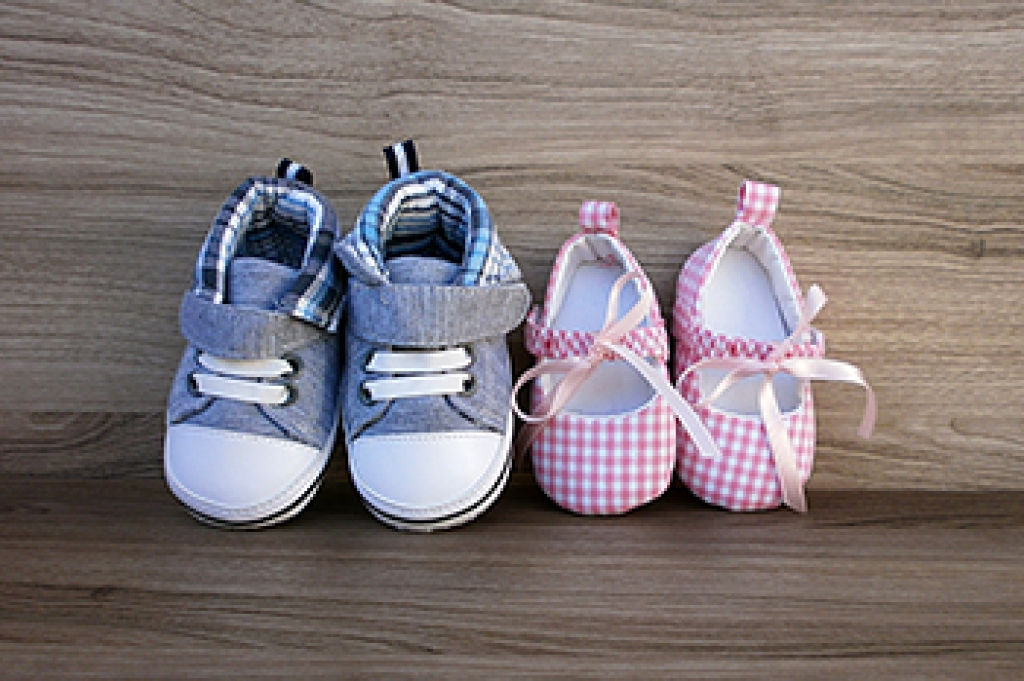
Most experts recommend letting babies go barefoot until they are getting ready to walk. However, finding the right shoes for their first steps can be confusing. The first concern is choosing the right size shoes for your toddler’s feet, and with an increase in age, the shoe size may change frequently. One way to determine the correct size is by inserting the pinky finger between the heel of the shoe and the child’s ankle. It should be snug. Then press the tip of the shoe while the baby is standing. There should be about half an inch of space. Next, choose shoes that are made of lightweight materials and are flexible. Shoes that are easy to put on and take off are desired, along with washability. It is thought that toddlers will need a new pair of shoes every two to three months. Hand-me-down shoes are discouraged as each child has a different foot structure. For additional guidance on choosing walking shoes for your child, it is suggested that you make an appointment with a podiatrist. 

The health of a child’s feet is vital to their overall well-being. If you have any questions regarding foot health, contact our podiatrists of Superior Foot & Ankle Center. Our doctors can provide the care you need to keep you pain-free and on your feet.

Tips for Keeping Children's Feet Healthy

  • Make sure their shoes fit properly
  • Look for any signs of in-toeing or out-toeing
  • Check to see if they have Clubfoot (condition that affects your child’s foot and ankle, twisting the heel and toes inward) which is one of the most common nonmajor birth defects.
  • Lightly cover your baby’s feet (Tight covers may keep your baby from moving their feet freely, and could prevent normal development)
  • Allow your toddler to go shoeless (Shoes can be restricting for a young child’s foot)
  • Cut toenails straight across to avoid ingrown toenails
  • Keep your child’s foot clean and dry
  • Cover cuts and scrapes. Wash any scratches with soap and water and cover them with a bandage until they’ve healed.

If you have any questions, please feel free to contact our office located in Long Beach, CA . We offer the newest diagnostic and treatment technologies for all your foot care needs.
Read more about How to Care for Your Child's Feet

Reminder: When Was the Last Time...?

Custom orthotics, or shoe inserts, should be periodically replaced. Orthotics must fit properly to give you the best results. Protect your feet and ankles!

Risk Factors and Types of Dislocated Ankles

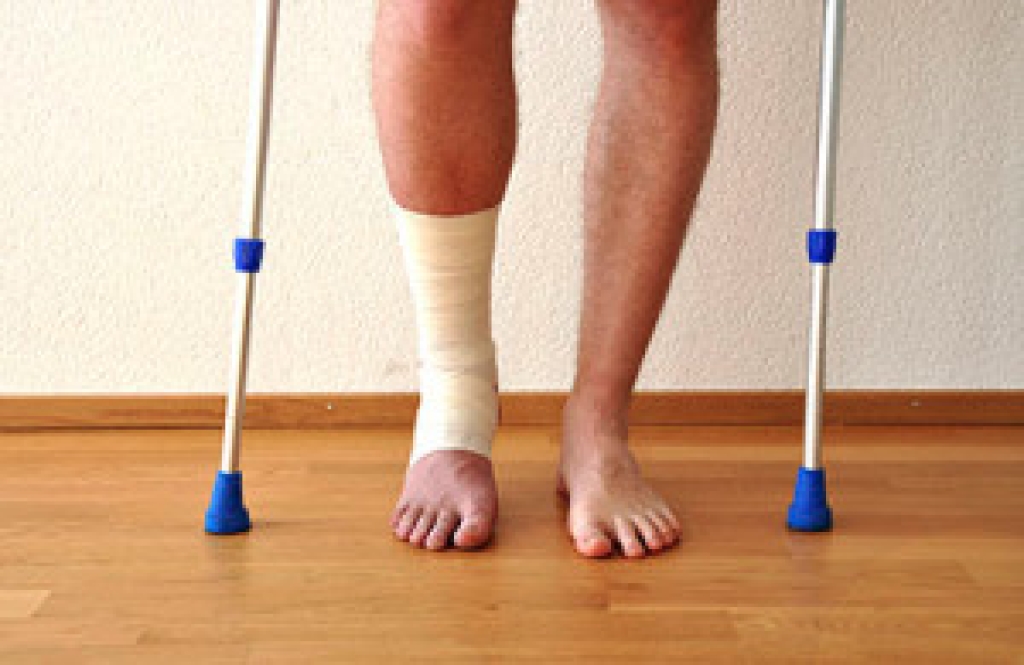
The ankle joint is a structure of bones, ligaments, muscles, and tendons that allow the foot to flex and point. At this complex joint, the tibia and fibula muscles of the calf connect with the talus bone of the foot, forming what is termed the ankle mortise. These bones bear the majority of weight bearing, while the ligaments that hold them in place provide stability. When this mechanism fails, usually as the result of some kind of trauma, the ankle becomes dislocated. The most common causes of a dislocated ankle are falls, car accidents, and sports injuries. Types of dislocations include posterior, anterior, lateral, and superior. A posterior dislocation, which is the most common, occurs when the talus is pushed forward while the tibia is pushed backward. A lateral dislocation, which occurs when the ankle is twisted, is usually accompanied by a bone fracture. A superior dislocation occurs when the talus is pushed upward into the space between the tibia and fibula, often the result of a fall or car crash. Treatment for a dislocated ankle depends on the type and severity of the injury, and recovery can take up to 3 months. For help with an ankle dislocation, it is suggested that you make an appointment with a podiatrist.

Ankle pain can be caused by a number of problems and may be potentially serious. If you have ankle pain, consult with our podiatrists from Superior Foot & Ankle Center. Our doctors will assess your condition and provide you with quality foot and ankle treatment.

Ankle pain is any condition that causes pain in the ankle. Due to the fact that the ankle consists of tendons, muscles, bones, and ligaments, ankle pain can come from a number of different conditions.

Causes

The most common causes of ankle pain include:

  • Types of arthritis (rheumatoid, osteoarthritis, and gout)
  • Ankle sprains
  • Broken ankles
  • Achilles tendonitis
  • Achilles tendon rupture
  • Stress fractures
  • Bursitis
  • Tarsal tunnel syndrome
  • Plantar fasciitis

Symptoms

Symptoms of ankle injury vary based upon the condition. Pain may include general pain and discomfort, swelling, aching, redness, bruising, burning or stabbing sensations, and/or loss of sensation.

Diagnosis

Due to the wide variety of potential causes of ankle pain, podiatrists will utilize a number of different methods to properly diagnose ankle pain. This can include asking for personal and family medical histories and of any recent injuries. Further diagnosis may include sensation tests, a physical examination, and potentially x-rays or other imaging tests.

Treatment

Just as the range of causes varies widely, so do treatments. Some more common treatments are rest, ice packs, keeping pressure off the foot, orthotics and braces, medication for inflammation and pain, and surgery.

If you have any questions please feel free to contact our office located in Long Beach, CA . We offer the newest diagnostic tools and technology to treat your foot and ankle needs.

Read more about Ankle Pain

Sever’s Disease Affects Young Athletes

There is a part of the heel that is known as the calcaneal apophysis. This is the growth center that connects the Achilles tendon to the heel. It can become inflamed in active children and young teenagers from participating in running and jumping activities. This can cause excessive tension on the Achilles tendon, and heel pain can ensue. This condition is called Sever’s disease and can worsen when the offending activity is pursued. The pain can also affect the calf muscle and may be more severe in people who have flat feet. An X-ray can be performed which can determine the maturity of the growth center, and can also help rule out a stress fracture. Treatment can begin with temporarily stopping the activity that caused the pain and resting the foot as often as possible. There are specific stretches that can be performed for the heel and Achilles tendon. If your child has Sever’s disease, it is suggested that you schedule an appointment with a podiatrist who can effectively treat this condition.

Sever's disease often occurs in children and teens. If your child is experiencing foot or ankle pain, see our podiatrists from Superior Foot & Ankle Center. Our doctors can treat your child’s foot and ankle needs.

Sever’s Disease

Sever’s disease is also known as calcaneal apophysitis, which is a medical condition that causes heel pain I none or both feet. The disease is known to affect children between the ages of 8 and 14.

Sever’s disease occurs when part of the child’s heel known as the growth plate (calcaneal epiphysis) is attached to the Achilles tendon. This area can suffer injury when the muscles and tendons of the growing foot do not keep pace with bone growth. Therefore, the constant pain which one experiences at the back of the heel will make the child unable to put any weight on the heel. The child is then forced to walk on their toes.

Symptoms

Acute pain – Pain associated with Sever’s disease is usually felt in the heel when the child engages in physical activity such as walking, jumping and or running.

Highly active – Children who are very active are among the most susceptible in experiencing Sever’s disease, because of the stress and tension placed on their feet.

If you have any questions, please feel free to contact our office located in Long Beach, CA . We offer the newest diagnostic and treatment technologies for all your foot and ankle injuries.

Read more about Sever's Disease

Stretches and Moisturizing the Feet

Many foot conditions can be avoided when everyday foot care routines are practiced. These can consist of wearing shoes that fit correctly, and ensuring there is adequate room for the toes to move freely in. It is beneficial to avoid wearing high heels which may help to prevent painful conditions such as Morton’s neuroma and bunions from developing. Additionally, it is helpful to begin the day by washing and drying the feet thoroughly, followed by applying a good moisturizer. Trimming the toenails straight across while leaving the nail slightly longer than the tips of the toes may help to prevent an ingrown toenail from forming. Many people enjoy stretching their feet. A popular massaging stretch can be done by rolling the sole of the foot on a tennis ball, which may help to maintain proper circulation. If you would like more information about everyday foot care practices, it is suggested that you consult with a podiatrist who can provide you with useful information.

Everyday foot care is very important to prevent infection and other foot ailments. If you need your feet checked, contact our podiatrists from Superior Foot & Ankle Center. Our doctors can provide the care you need to keep you pain-free and on your feet.

Everyday Foot Care

Often, people take care of their bodies, face and hair more so than they do for their feet. But the feet are a very important aspect of our bodies, and one that we should pay more attention to. Without our feet, we would not be able to perform most daily tasks.

It is best to check your feet regularly to make sure there are no new bruises or cuts that you may not have noticed before. For dry feet, moisturizer can easily be a remedy and can be applied as often as necessary to the affected areas. Wearing shoes that fit well can also help you maintain good foot health, as well as making it easier to walk and do daily activities without the stress or pain of ill-fitting shoes, high heels, or even flip flops. Wearing clean socks with closed shoes is important to ensure that sweat and bacteria do not accumulate within the shoe. Clean socks help to prevent Athlete’s foot, fungi problems, bad odors, and can absorb sweat.

If you have any questions, please feel free to contact our office located in Long Beach, CA . We offer the newest diagnostic and treatment technologies for all your foot care needs.
Read more about Every Day Foot Care

Connect With Us