Several Reasons Why Foot Pain Can Occur

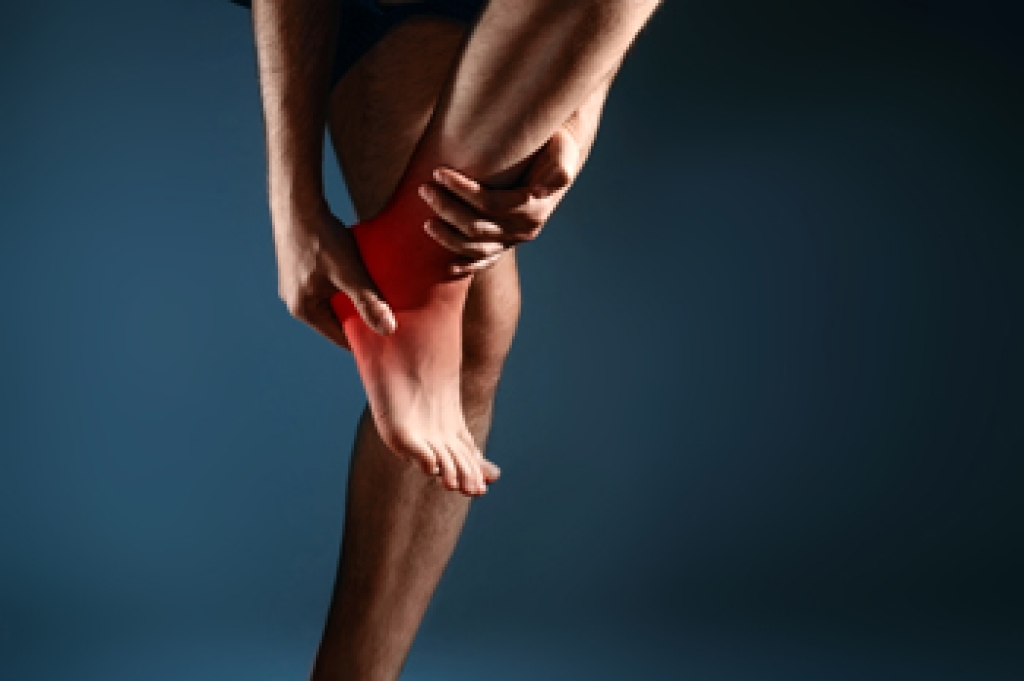
There are 26 bones, several tendons, and ligaments that each foot is composed of. Many people worldwide will experience foot pain at least once during their lifetime. There are many causes of foot pain. It can be related to diabetes, inflammation, or wearing shoes that do not fit correctly. An uncomfortable foot condition known as athlete’s foot can cause itching and redness. A bunion is defined as a bony lump that forms on the side of the big toe. It can be bothersome while wearing shoes and many patients need to purchase larger shoes and socks. Bunions can develop due to genetic reasons or from wearing shoes that do not have adequate room for the toes to move freely in. Patients with an ingrown toenail are often familiar with the pain and discomfort this ailment can cause. In severe cases, there might be a discharge, which may be indicative of an infection. Heel pain that is worse in the morning is usually linked to a condition called plantar fasciitis. If you have any foot pain and would like a proper diagnosis and to begin an effective treatment plan, please schedule an appointment with a podiatrist.

Foot Pain

Foot pain can be extremely painful and debilitating. If you have a foot pain, consult with our podiatrists from Superior Foot & Ankle Center. Our doctors will assess your condition and provide you with quality foot and ankle treatment.

Causes

Foot pain is a very broad condition that could be caused by one or more ailments. The most common include:

  • Bunions
  • Hammertoes
  • Plantar Fasciitis
  • Bone Spurs
  • Corns
  • Tarsal Tunnel Syndrome
  • Ingrown Toenails
  • Arthritis (such as Gout, Rheumatoid, and Osteoarthritis)
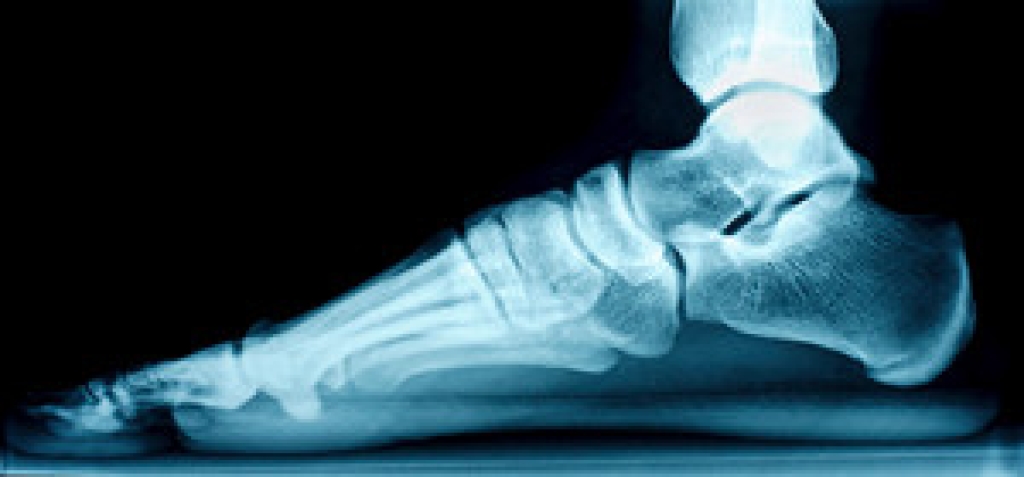
  • Flat Feet
  • Injury (from stress fractures, broken toe, foot, ankle, Achilles tendon ruptures, and sprains)
  • And more

Diagnosis

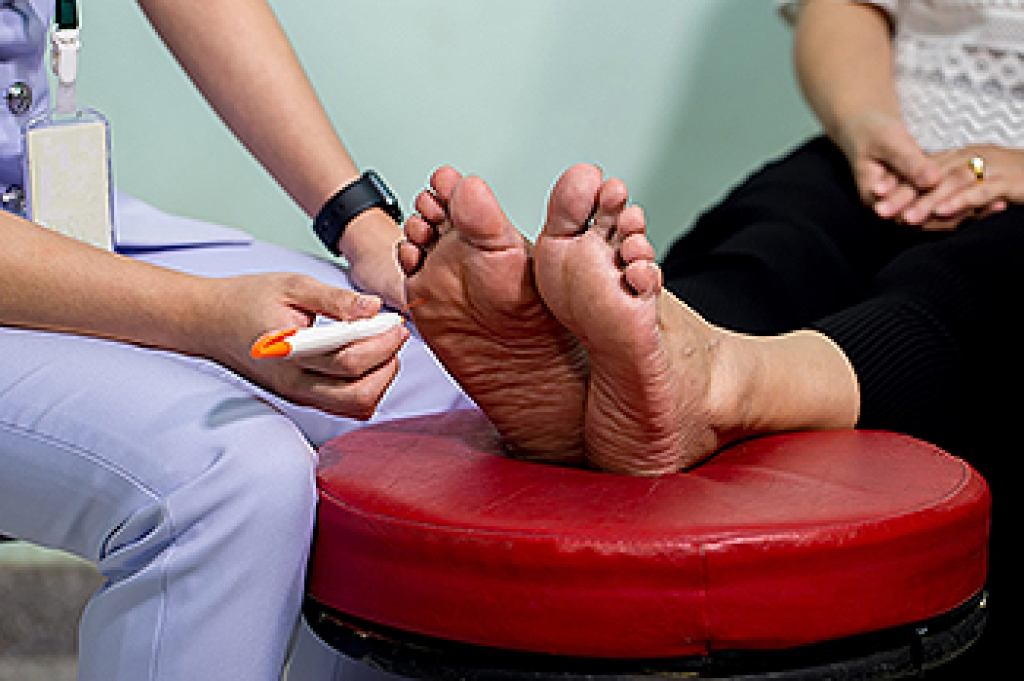
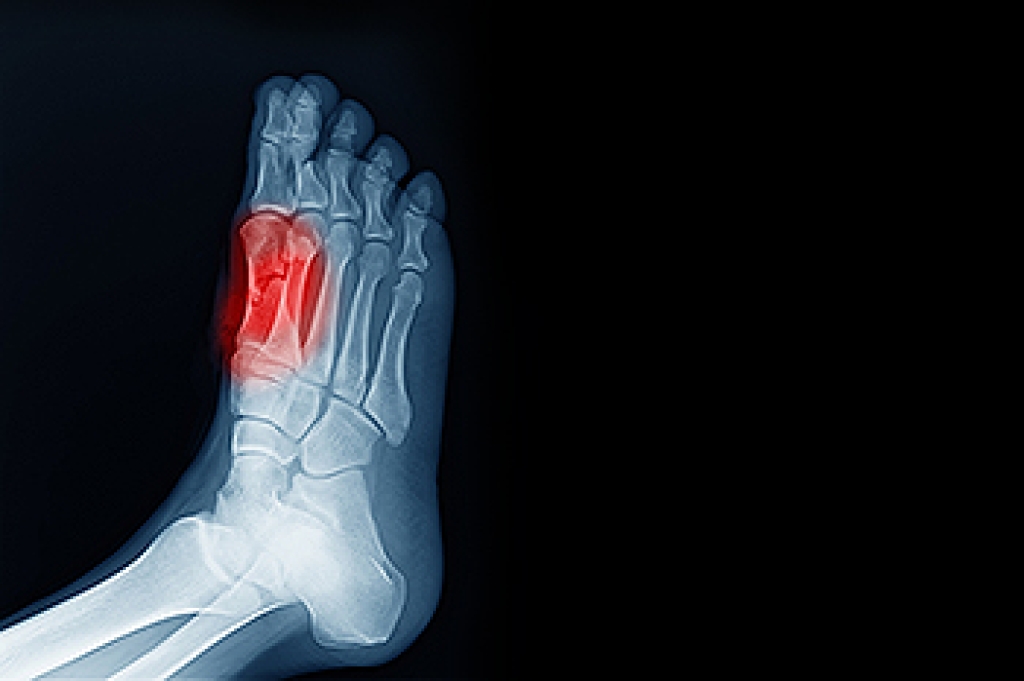
To figure out the cause of foot pain, podiatrists utilize several different methods. This can range from simple visual inspections and sensation tests to X-rays and MRI scans. Prior medical history, family medical history, and any recent physical traumatic events will all be taken into consideration for a proper diagnosis.

Treatment

Treatment depends upon the cause of the foot pain. Whether it is resting, staying off the foot, or having surgery; podiatrists have a number of treatment options available for foot pain.

If you have any questions, please feel free to contact our office located in Long Beach, CA . We offer the newest diagnostic and treatment technologies for all your foot care needs.

Read more about Foot Pain

Various Reasons to Have Flat Feet

The foot condition that is known as flat feet is apparent as the patient stands up and the entire foot lies on the floor. The medical term for this ailment is referred to as rigid pes planus, and may cause discomfort. Most babies are born with flexible flat feet, and the arch will fully develop by approximately seven years of age. Adults that have flat feet may have inherited loose ligaments, and may have extreme flexibility throughout their body. Rigid flat foot can be the result of a problem that affects the foot structure. The reasons for this can include congenital vertical talus, in which the bones in the foot are aligned improperly. This is considered to be a rare condition the patient is born with. Tarsal coalition exists when two or more of the foot bones are fused together, and often affects the flexibility of the entire foot. The condition that is known as lateral subtalar dislocation can affect people who have a normal arch, and the bone within the arch becomes dislocated. If you have flat feet for any reason, it is strongly suggested that you are under the care of a podiatrist who can accurately treat this condition.

Flatfoot is a condition many people suffer from. If you have flat feet, contact our podiatrists from Superior Foot & Ankle Center. Our doctors will treat your foot and ankle needs.

What Are Flat Feet?

Flatfoot is a condition in which the arch of the foot is depressed and the sole of the foot is almost completely in contact with the ground. About 20-30% of the population generally has flat feet because their arches never formed during growth.

Conditions & Problems:

Having flat feet makes it difficult to run or walk because of the stress placed on the ankles.

Alignment – The general alignment of your legs can be disrupted, because the ankles move inward which can cause major discomfort.

Knees – If you have complications with your knees, flat feet can be a contributor to arthritis in that area.  

Symptoms

  • Pain around the heel or arch area
  • Trouble standing on the tip toe
  • Swelling around the inside of the ankle
  • Flat look to one or both feet
  • Having your shoes feel uneven when worn

Treatment

If you are experiencing pain and stress on the foot you may weaken the posterior tibial tendon, which runs around the inside of the ankle. 

If you have any questions, please feel free to contact our office located in Long Beach, CA . We offer the newest diagnostic and treatment technologies for all your foot care needs.

Read more about Flatfoot

Do You Suffer From Painful Feet?

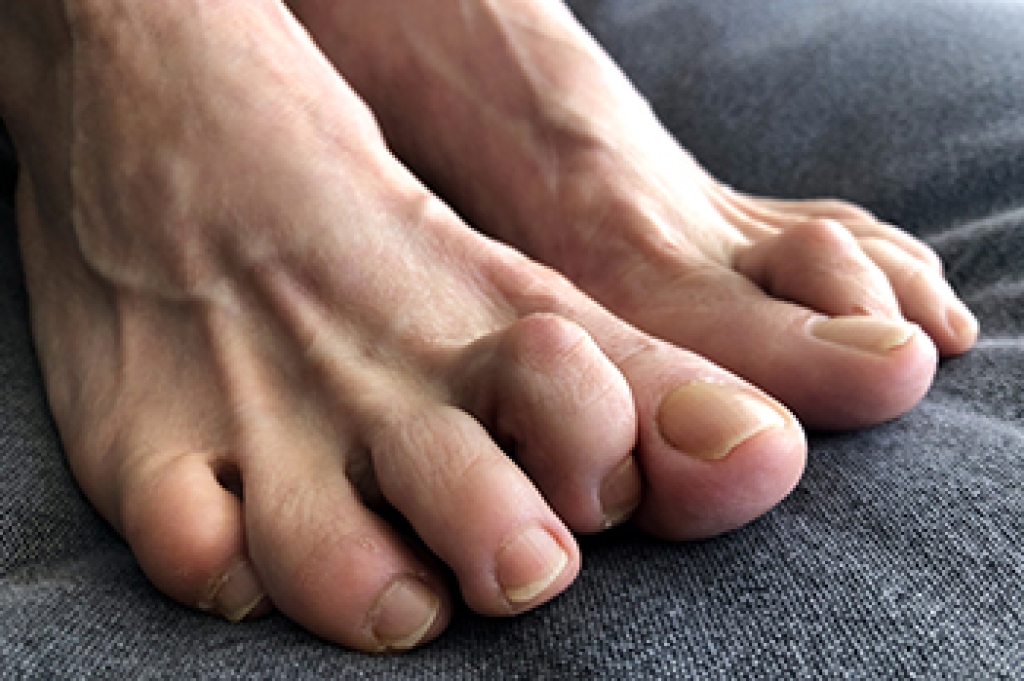
Painful deformities, such as hammertoes, can be treated. Stop living with foot pain, and have beautiful feet again!

Types of Arthritis

The common symptoms many people experience with arthritis can include stiffness, pain, and swelling, and it can be difficult to move the affected joint. The word arthritis means joint inflammation, and it generally causes severe pain and discomfort. The most common form of this ailment is known as osteoarthritis, and it affects millions of people in the United States. There are specific exercises that can be performed which may help to relieve some of the pain. Rheumatoid arthritis can be disabling, and it is the most common type of autoimmune arthritis. Women are more prone to get this type of arthritis, and research has indicated it may be related to hormonal changes. Gout affects the joints in the big toe, and can cause debilitating pain. Some patients find it is impossible to have anything touch the toe, and relief is often needed immediately. It happens as a result of uric acid crystals that form in the joints of the toe, and can occur from genetic factors or from eating foods that have high levels of purines. If you have arthritis in your feet, it is suggested you confer with a podiatrist who can guide you toward correct treatment options.

Arthritis can be a difficult condition to live with. If you are seeking treatment, contact our podiatrists from Superior Foot & Ankle Center. Our doctors can provide the care you need to keep you pain-free and on your feet.

Arthritic Foot Care  

Arthritis is a joint disorder that involves the inflammation of different joints in your body, such as those in your feet. Arthritis is often caused by a degenerative joint disease and causes mild to severe pain in all affected areas. In addition to this, swelling and stiffness in the affected joints can also be a common symptom of arthritis.

In many cases, wearing ill-fitting shoes can worsen the effects and pain of arthritis. Wearing shoes that have a lower heel and extra room can help your feet feel more comfortable. In cases of rheumatoid arthritis, the arch in your foot may become problematic. Buying shoes with proper arch support that contour to your feet can help immensely.

Alleviating Arthritic Pain

  • Exercises that stretch the foot can prevent further pain and injury and increase mobility
  • Most of the pain can be alleviated with anti-inflammatory drugs, heat, and topical medications
  • Massages can help temporarily alleviate pain.

It is best to see your doctor for the treatment that is right for your needs and symptoms. Conditions vary, and a podiatrist can help you determine the right method of care for your feet.

If you have any questions, please feel free to contact our office located in Long Beach, CA . We offer the newest diagnostic tools and technology to treat your foot and ankle needs.

Read more about Arthritic Foot Care

Mild and Severe Hammertoe

Toes are composed of several small bones that are held together by tendons and ligaments. The condition known as hammertoe is considered to be a deformity and can develop from wearing shoes that do not fit correctly. The second toe can gradually bend downward and may overlap the third toe. A proper diagnosis consists of an X-ray which is helpful in observing the deformity. Many patients will purchase larger shoes that can accommodate the unusual position of the toes. In mild cases where the toes remain flexible, the tendons may be rebalanced. Sometimes hammertoe is severe and surgery is often required for permanent straightening. The approximate healing time for surgery is four to six weeks and it is advised to elevate the foot as often as possible to help diminish existing swelling. If you have developed hammertoe, it is suggested that you are under the care of a podiatrist who can guide you toward correct treatment options.

Hammertoe

Hammertoes can be a painful condition to live with. For more information, contact our podiatrists from Superior Foot & Ankle Center. Our doctors will answer any of your foot- and ankle-related questions.

Hammertoe is a foot deformity that affects the joints of the second, third, fourth, or fifth toes of your feet. It is a painful foot condition in which these toes curl and arch up, which can often lead to pain when wearing footwear.

Symptoms

  • Pain in the affected toes
  • Development of corns or calluses due to friction
  • Inflammation
  • Redness
  • Contracture of the toes

Causes

Genetics – People who are genetically predisposed to hammertoe are often more susceptible

Arthritis – Because arthritis affects the joints in your toes, further deformities stemming from arthritis can occur

Trauma – Direct trauma to the toes could potentially lead to hammertoe

Ill-fitting shoes – Undue pressure on the front of the toes from ill-fitting shoes can potentially lead to the development of hammertoe

Treatment

Orthotics – Custom made inserts can be used to help relieve pressure placed on the toes and therefore relieve some of the pain associated with it

Medications – Oral medications such as anti-inflammatories or NSAIDs could be used to treat the pain and inflammation hammertoes causes. Injections of corticosteroids are also sometimes used

Surgery – In more severe cases where the hammertoes have become more rigid, foot surgery is a potential option

If you have any questions please contact our office located in Long Beach, CA . We offer the newest diagnostic and treatment technologies for all your foot and ankle needs.

Read more about Hammertoe

Facts About Morton’s Neuroma

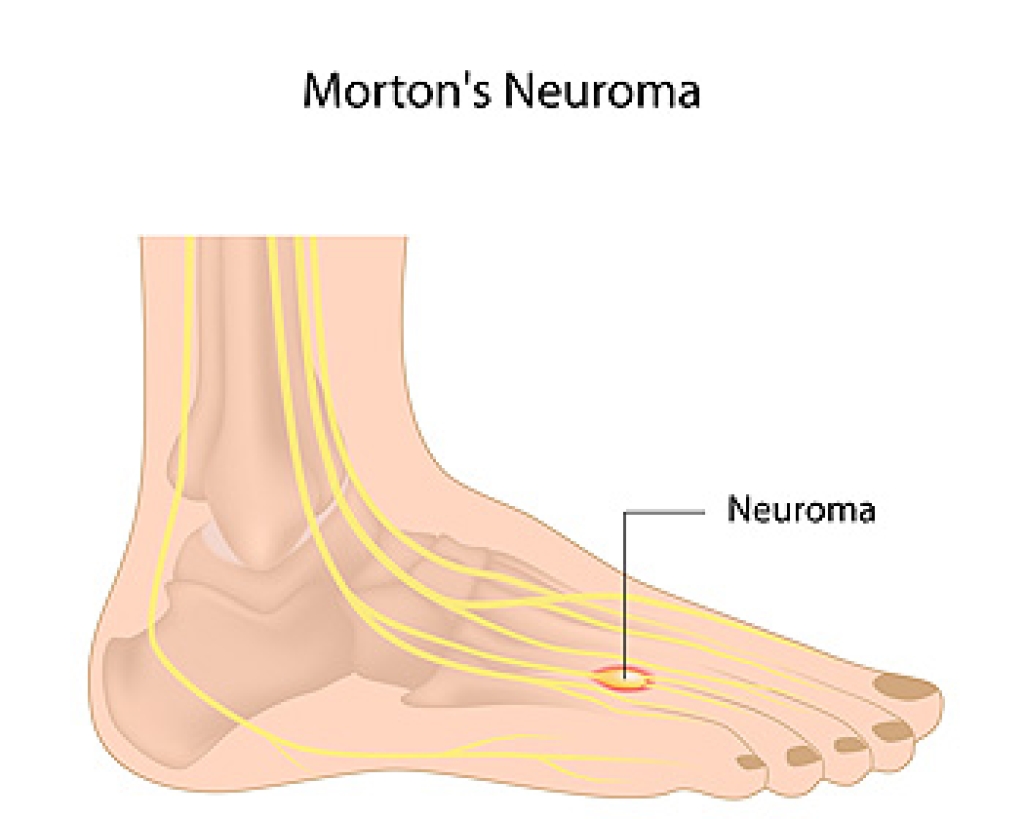
If you experience a burning sensation or sharp pain on the bottom of the foot, just under the toes, you may have developed a Morton’s neuroma. This condition, which many believe is caused by wearing shoes that are too tight, is the result of an inflamed nerve. Morton’s neuroma is usually located between the 2nd and 3rd metatarsal bones at the ball of the foot and has been described as having a stone or pebble in your shoe. Pain caused by compression of the nerves can get worse when you walk or if your toes are squeezed too tightly within the shoe. An MRI or ultrasound can be used to diagnose the condition. Several ways to ease the pain of Morton’s neuroma include resting the foot, wearing better fitting shoes with a wider toe box and lower heel, taking anti-inflammatory medicine, and icing the foot. If pain is persistent, despite these measures, you may wish to consult a podiatrist for a full examination and diagnosis. In more severe cases a podiatrist may recommend cortisone injections, and in even worse cases surgery to remove damaged nerve tissue may be an option.  

Morton’s neuroma is a very uncomfortable condition to live with. If you think you have Morton’s neuroma, contact our podiatrists of Superior Foot & Ankle Center. Our doctors will attend to all of your foot care needs and answer any of your related questions.  

Morton’s Neuroma

Morton's neuroma is a painful foot condition that commonly affects the areas between the second and third or third and fourth toe, although other areas of the foot are also susceptible. Morton’s neuroma is caused by an inflamed nerve in the foot that is being squeezed and aggravated by surrounding bones.

What Increases the Chances of Having Morton’s Neuroma?

  • Ill-fitting high heels or shoes that add pressure to the toe or foot
  • Jogging, running or any sport that involves constant impact to the foot
  • Flat feet, bunions, and any other foot deformities

Morton’s neuroma is a very treatable condition. Orthotics and shoe inserts can often be used to alleviate the pain on the forefront of the feet. In more severe cases, corticosteroids can also be prescribed. In order to figure out the best treatment for your neuroma, it’s recommended to seek the care of a podiatrist who can diagnose your condition and provide different treatment options.

If you have any questions, please feel free to contact our office located in Long Beach, CA . We offer the newest diagnostic and treatment technologies for all your foot care needs.
Read more about What is Morton's Neuroma?

Simple Methods to Care for Diabetic Feet

There are many diabetic patients who understand that keeping their glucose levels in a normal range is essential in preventing painful foot conditions. The inability to feel sensations in the feet is referred to as neuropathy, and it is important to check for cuts, bruises and scrapes every day. This can be done by using a mirror, or by having a family member inspect the feet. Additionally, the feet will feel better when they are kept clean and dry, and it may help to use talcum powder between the toes. The painful condition that is known as cracked heels may be avoided when a good moisturizer is used. Many diabetic patients see a podiatrist to have their nails trimmed correctly, and this may help to prevent ingrown toenails. It is advised against walking barefoot, and wearing shoes that fit properly will make the feet and overall body feel more comfortable. If you are diabetic, it is strongly suggested that you are under the care of a podiatrist who can help you with managing your diabetic foot care.. 

Diabetic foot care is important in preventing foot ailments such as ulcers. If you are suffering from diabetes or have any other concerns about your feet, contact our podiatrists from Superior Foot & Ankle Center. Our doctors can provide the care you need to keep you pain-free and on your feet.

Diabetic Foot Care

Diabetes affects millions of people every year. The condition can damage blood vessels in many parts of the body, especially the feet. Because of this, taking care of your feet is essential if you have diabetes, and having a podiatrist help monitor your foot health is highly recommended.

The Importance of Caring for Your Feet

  • Routinely inspect your feet for bruises or sores.
  • Wear socks that fit your feet comfortably.
  • Wear comfortable shoes that provide adequate support.

Patients with diabetes should have their doctor monitor their blood levels, as blood sugar levels play such a huge role in diabetic care. Monitoring these levels on a regular basis is highly advised.

It is always best to inform your healthcare professional of any concerns you may have regarding your feet, especially for diabetic patients. Early treatment and routine foot examinations are keys to maintaining proper health, especially because severe complications can arise if proper treatment is not applied.

If you have any questions please feel free to contact our office located in Long Beach, CA . We offer the newest diagnostic and treatment technologies for all your foot and ankle needs.

Read more about Diabetic Foot Care

Are You Suffering From Nerve Damage?

Neuropathy is a condition that can lead to numbness or loss of sensation in the feet, but it can also cause pain. This condition is more likely to develop for those who are diabetic, obese, or with high blood pressure.

Exercises Can Help Improve Balance

Many people begin to develop balance problems as they age, putting them at a higher risk of falling. A few simple exercises can be done at home to improve health and mobility. (If you haven’t done any exercise in a while, it is always a good idea to check in with a health professional before embarking on any new program.) Just to be safe during these simple exercises, be sure to stand near a wall or chair, or keep a walking aid nearby before starting. It’s a good idea to start cautiously, building up the number of repetitions gradually to avoid injury. Heel-to-toe walk: Place the heel of your right foot directly in front of your left, looking straight ahead, and step down. Repeat 5 times. You may need to lightly touch the wall for stability. One-leg stand: Stand facing the wall, arms straight out in front, and lightly touch the wall in front of you. Lift one foot off the floor and hold for 5 -10 seconds. Repeat with the other foot. Do this 3 times. Sideways walking: Stand up straight with both feet together. Step out to the side with one foot, transfer your weight, and bring the other foot next to it. Repeat 10 steps. Then reverse direction. If you continue to experience balance problems, it may be a good idea to check in with a podiatrist for a complete biomechanical evaluation.

Preventing falls among the elderly is very important. If you are older and have fallen or fear that you are prone to falling, consult with our podiatrists from Superior Foot & Ankle Center. Our doctors will assess your condition and provide you with quality advice and care.

Every 11 seconds, an elderly American is being treated in an emergency room for a fall related injury. Falls are the leading cause of head and hip injuries for those 65 and older. Due to decreases in strength, balance, senses, and lack of awareness, elderly persons are very susceptible to falling. Thankfully, there are a number of things older persons can do to prevent falls.

How to Prevent Falls

Some effective methods that older persons can do to prevent falls include:

  • Enrolling in strength and balance exercise program to increase balance and strength
  • Periodically having your sight and hearing checked
  • Discuss any medications you have with a doctor to see if it increases the risk of falling
  • Clearing the house of falling hazards and installing devices like grab bars and railings
  • Utilizing a walker or cane
  • Wearing shoes that provide good support and cushioning
  • Talking to family members about falling and increasing awareness

Falling can be a traumatic and embarrassing experience for elderly persons; this can make them less willing to leave the house, and less willing to talk to someone about their fears of falling. Doing such things, however, will increase the likelihood of tripping or losing one’s balance. Knowing the causes of falling and how to prevent them is the best way to mitigate the risk of serious injury.  

If you have any questions, please feel free to contact our office located in Long Beach, CA . We offer the newest diagnostic and treatment technologies for all your foot care needs.
Read more about Falls Prevention

What Can Cause Sesamoiditis?

The group of bones that are under the bottom of the big toe include the sesamoid bones. They protect specific tendons in the foot, and absorb most of the weight on the inside of the foot. The condition that is known as sesamoiditis occurs when the sesamoid bones become inflamed. They can become injured as a result of enduring a stress fracture, or from an injury that comes from repetitive motion consisting of dancing. Many patients need to have a proper diagnosis performed, which includes having an X-ray taken that can rule out a fracture. Correct treatment techniques can possibly reduce painful symptoms, in addition to protecting the foot from further injury. These can consist of wearing orthotic insoles, taking anti-inflammatory medication, or possible surgery. If you feel you have injured your sesamoid bones, it is strongly urged that you confer with a podiatrist who can help you to manage this condition, in addition to offering you correct treatment solutions.

Sesamoiditis is an unpleasant foot condition characterized by pain in the balls of the feet. If you think you’re struggling with sesamoiditis, contact our podiatrists of Superior Foot & Ankle Center. Our doctors will treat your condition thoroughly and effectively.

Sesamoiditis

Sesamoiditis is a condition of the foot that affects the ball of the foot. It is more common in younger people than it is in older people. It can also occur with people who have begun a new exercise program, since their bodies are adjusting to the new physical regimen. Pain may also be caused by the inflammation of tendons surrounding the bones. It is important to seek treatment in its early stages because if you ignore the pain, this condition can lead to more serious problems such as severe irritation and bone fractures.

Causes of Sesamoiditis

  • Sudden increase in activity
  • Increase in physically strenuous movement without a proper warm up or build up
  • Foot structure: those who have smaller, bonier feet or those with a high arch may be more susceptible

Treatment for sesamoiditis is non-invasive and simple. Doctors may recommend a strict rest period where the patient forgoes most physical activity. This will help give the patient time to heal their feet through limited activity. For serious cases, it is best to speak with your doctor to determine a treatment option that will help your specific needs.

If you have any questions please feel free to contact our office located in Long Beach, CA . We offer the newest diagnostic and treatment technologies for all your foot and ankle needs.

Read more about Sesamoiditis

Connect With Us