Changes in the Toes Linked to Rheumatoid Arthritis

Rheumatoid arthritis is an autoimmune condition in which the body mistakenly attacks its own joints, and the small joints of the toes are often among the first to show signs of trouble. Early signs may include stiffness in the morning, swelling that makes shoes feel tight, or tenderness when pushing off during walking. As the condition progresses, the joints can lose stability, causing the toes to drift, curl, or feel less flexible than before. Some people develop pressure beneath the ball of the foot as alignment shifts, which can lead to discomfort with even short periods of standing. These changes can make movement more tiring and limit comfortable footwear choices. A podiatrist can assess the joints, recommend supportive shoes, provide inserts that improve alignment, and offer targeted treatments that ease irritation. If your toes are changing or becoming painful due to rheumatoid arthritis, it is suggested that you see a podiatrist for effective relief and management tips.

Because RA affects more than just your joints, including the joints in your feet and ankles, it is important to seek early diagnosis from your podiatrist if you feel like the pain in your feet might be caused by RA. For more information, contact our podiatrists of Superior Foot & Ankle Center. Our doctors will assist you with all of your podiatric concerns.

What Is Rheumatoid Arthritis?

Rheumatoid Arthritis (RA) is an autoimmune disorder in which the body’s own immune system attacks the membranes surrounding the joints. Inflammation of the lining and eventually the destruction of the joint’s cartilage and bone occur, causing severe pain and immobility.

Rheumatoid Arthritis of the Feet

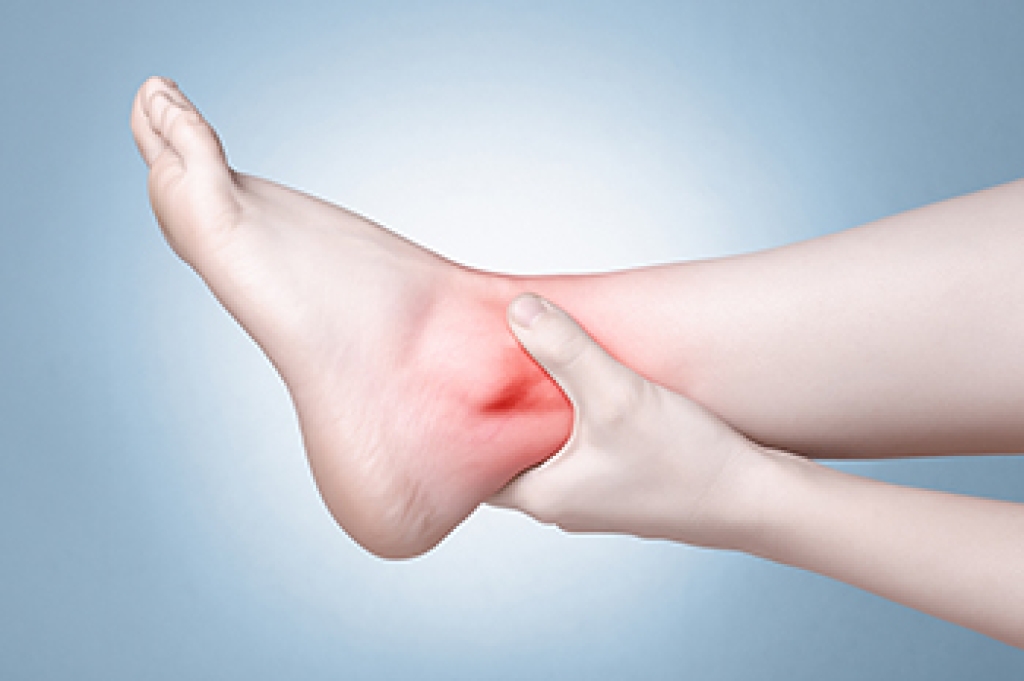
Although RA usually attacks multiple bones and joints throughout the entire body, almost 90 percent of cases result in pain in the foot or ankle area.

Symptoms

  • Swelling and pain in the feet
  • Stiffness in the feet
  • Pain on the ball or sole of feet
  • Joint shift and deformation

Diagnosis

Quick diagnosis of RA in the feet is important so that the podiatrist can treat the area effectively. Your doctor will ask you about your medical history, occupation, and lifestyle to determine the origin of the condition. Rheumatoid Factor tests help to determine if someone is affected by the disease.

If you have any questions, please feel free to contact our office located in Long Beach, CA . We offer the newest diagnostic and treatment technologies for all your foot care needs.

Read more about Rheumatoid Arthritis in the Feet

Causes and Risk Factors for Falling in Seniors

Falls in seniors often start with problems in the feet, toes, or ankles that make walking less steady. Painful joints, reduced range of motion, or stiffness in the ankles can change gait and slow reaction time when stepping on uneven ground. Thickened toenails, numbness, or deformities like hammertoes can affect balance. Additionally, wearing shoes with inadequate support or worn-out flip-flops make slips more likely. Weak muscles in the lower legs or arthritis in the foot joints can cause a shuffling stride, which increases the chance of tripping. Previous injuries, swelling, or poor circulation can also interfere with safe movement, adding to the risk of fractures if bones are fragile. A podiatrist can evaluate the feet, correct gait problems, and recommend proper footwear to improve stability. For help in preventing falls or to address any existing foot problems, it is suggested that you schedule  an appointment with a podiatrist for a diagnosis and appropriate treatment.

Preventing falls among the elderly is very important. If you are older and have fallen or fear that you are prone to falling, consult with our podiatrists from Superior Foot & Ankle Center. Our doctors will assess your condition and provide you with quality advice and care.

Every 11 seconds, an elderly American is being treated in an emergency room for a fall related injury. Falls are the leading cause of head and hip injuries for those 65 and older. Due to decreases in strength, balance, senses, and lack of awareness, elderly persons are very susceptible to falling. Thankfully, there are a number of things older persons can do to prevent falls.

How to Prevent Falls

Some effective methods that older persons can do to prevent falls include:

  • Enrolling in strength and balance exercise program to increase balance and strength
  • Periodically having your sight and hearing checked
  • Discuss any medications you have with a doctor to see if it increases the risk of falling
  • Clearing the house of falling hazards and installing devices like grab bars and railings
  • Utilizing a walker or cane
  • Wearing shoes that provide good support and cushioning
  • Talking to family members about falling and increasing awareness

Falling can be a traumatic and embarrassing experience for elderly persons; this can make them less willing to leave the house, and less willing to talk to someone about their fears of falling. Doing such things, however, will increase the likelihood of tripping or losing one’s balance. Knowing the causes of falling and how to prevent them is the best way to mitigate the risk of serious injury.  

If you have any questions, please feel free to contact our office located in Long Beach, CA . We offer the newest diagnostic and treatment technologies for all your foot care needs.

Read more about Falls Prevention

How Corns and Calluses Differ

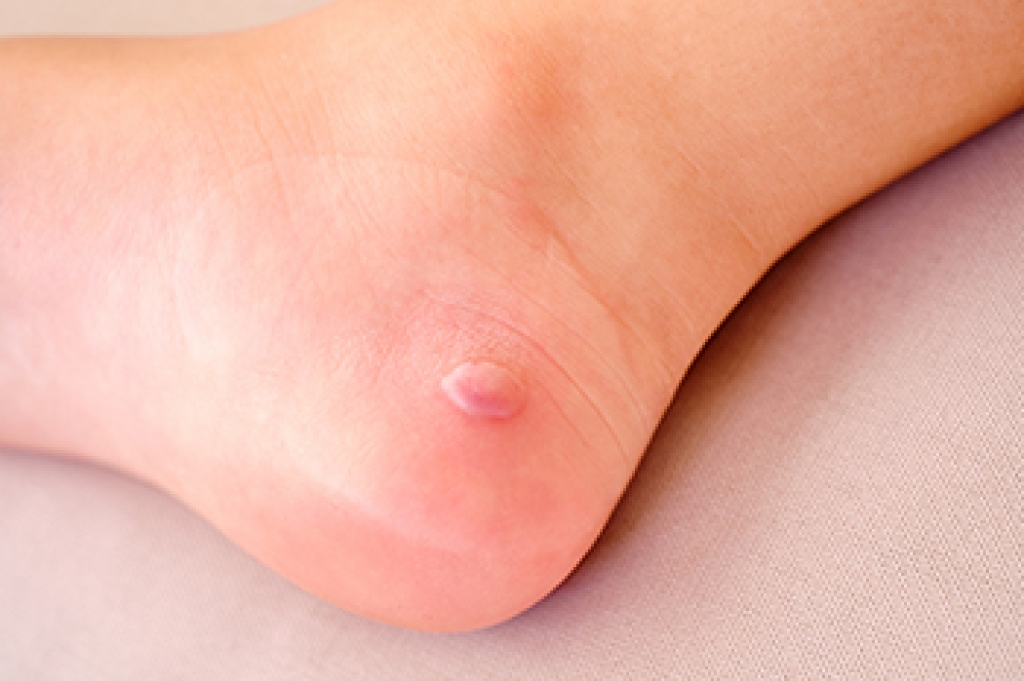
Corns and calluses both develop when the skin on the feet is exposed to repeated pressure, but they are not the same. A corn is a small, cone-shaped bump that often appears on the top of a toe, usually over a joint, and it can feel sore when touched. Corns between the toes are softer because the skin stays moist in that area. A callus is a wider, flatter patch of thick skin that often forms on the ball of the foot or the sides of the feet where weight and rubbing increase. Calluses rarely hurt unless they become very thick. A podiatrist can tell the difference by looking at the size, shape, and location of the hardened skin. Treatment options for a painful corn include reducing pressure on the toe, removing the hardened center, and safely trimming the thickened skin. If you have a painful corn on your foot, it is suggested that you schedule an appointment with a podiatrist for a diagnosis and safe, sterile treatment.

If you have any concerns regarding your feet and ankles, contact our podiatrists of Superior Foot & Ankle Center. Our doctors will treat your foot and ankle needs.

Corns: What Are They? and How Do You Get Rid of Them?
Corns can be described as areas of the skin that have thickened to the point of becoming painful or irritating. They are often layers and layers of the skin that have become dry and rough, and are normally smaller than calluses.

Ways to Prevent Corns
There are many ways to get rid of painful corns such as wearing:

  • Well-fitting socks
  • Comfortable shoes that are not tight around your foot
  • Shoes that offer support

Treating Corns
Treatment of corns involves removing the dead skin that has built up in the specific area of the foot. Consult with Our doctors to determine the best treatment option for your case of corns.

If you have any questions, please feel free to contact our office located in Long Beach, CA . We offer the newest diagnostic and treatment technologies for all your foot care needs.

Read more about Corns and Calluses

Exploring the Anatomy of the Foot

The foot is a complex structure designed to support your body and keep you moving with ease. It contains 28 bones that work together with strong ligaments, flexible tendons, and stable ankle joints to create balance and motion. These parts allow the foot to perform essential actions such as plantar flexion, which helps you point your toes and push off while walking. When any part of this structure becomes strained or injured, pain and mobility problems can follow. A podiatrist can evaluate how your bones, ligaments, and tendons are functioning, and provide treatment to restore proper movement and comfort. If you have sustained a foot injury or have difficulty walking, it is suggested that you consult a podiatrist who can treat various foot and ankle conditions, and answer any questions you may have about foot anatomy.

If you have any concerns about your feet, contact our podiatrists from Superior Foot & Ankle Center. Our doctors can provide the care you need to keep you pain-free and on your feet.

Biomechanics in Podiatry

Podiatric biomechanics is a particular sector of specialty podiatry with licensed practitioners who are trained to diagnose and treat conditions affecting the foot, ankle and lower leg. Biomechanics deals with the forces that act against the body, causing an interference with the biological structures. It focuses on the movement of the ankle, the foot and the forces that interact with them.

A History of Biomechanics

  • Biomechanics dates back to the BC era in Egypt where evidence of professional foot care has been recorded.
  • In 1974, biomechanics gained a higher profile from the studies of Merton Root, who claimed that by changing or controlling the forces between the ankle and the foot, corrections or conditions could be implemented to gain strength and coordination in the area.

Modern technological improvements are based on past theories and therapeutic processes that provide a better understanding of podiatric concepts for biomechanics. Computers can provide accurate information about the forces and patterns of the feet and lower legs.

Understanding biomechanics of the feet can help improve and eliminate pain, stopping further stress to the foot.

If you have any questions please feel free to contact our office located in Long Beach, CA . We offer the newest diagnostic and treatment technologies for all your foot and ankle needs.

Read more about Biomechanics in Podiatry

Connect With Us